
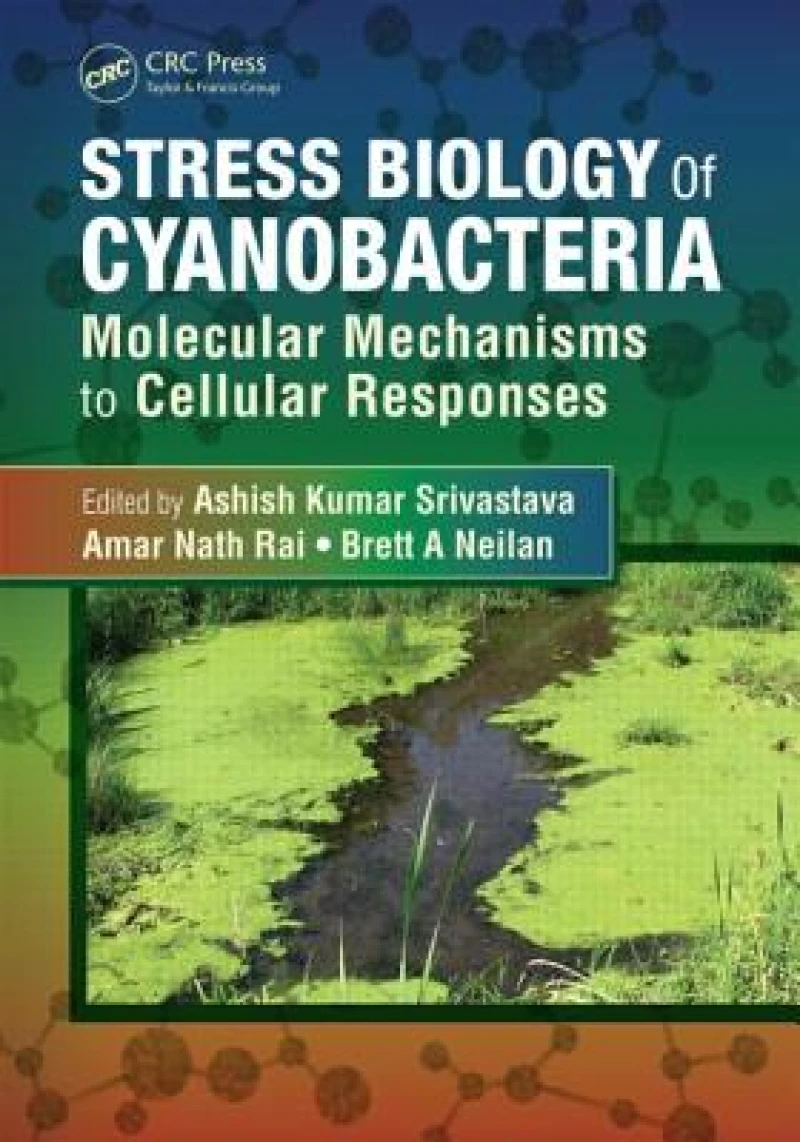
Stress Biology of Cyanobacteria : Molecular Mechanisms to Cellular Responses
Book Details
Delivery Location
Delivery fee: Select location
This reference is a compilation of holistic responses of cyanobacteria, ranging from ecological and physiological to the modern aspects of their molecular biology, genomics, and biochemistry. Covering almost every facet of cyanobacterial stress biology, this book is divided into two parts: Bioenergetics and Molecular Mechanisms of Stress Tolerance and Cellular Responses and Ecophysiology. The first part covers photosynthesis and respiration as well as the effect of specific stresses on various cyanobacterial processes. The second part describes symbiosis mechanisms, stress-induced bioproducts, nitrogen fixation, mutation and adaptation, and the cyanotoxin, microcystin.
A significant component of many different ecosystems, cyanobacteria occupy almost every niche of the earth, including fresh and salt waters, rice fields, hot springs, arid deserts, and polar regions. Cyanobacteria, along with algae, produce nearly half the global oxygen, making assessment of their ecophysiologies important for understanding climate impacts and potential remediation. Stress Biology of Cyanobacteria: Molecular Mechanisms to Cellular Responses is a compilation of holistic responses of cyanobacteria, ranging from ecological and physiological to the modern aspects of their molecular biology, genomics, and biochemistry.
Covering almost every aspect of cyanobacterial stress biology, this book is divided into two parts: Bioenergetics and Molecular Mechanisms of Stress Tolerance and Cellular Responses and Ecophysiology. The first few chapters focus on the molecular bioenergetics of photosynthesis and respiration in cyanobacteria, and provide a clear perspective on different stress tolerance mechanisms. Part I also covers the effect of specific stresses—including heavy metal, high and low temperature, salt, osmotic, and UV-B stress—on a wide range of vital physiological, biochemical, and molecular processes of cyanobacteria.
Part II describes mechanisms of symbiosis, stress-induced bioproducts, and the role of environmental factors on nitrogen fixation, which along with photosynthesis is a major contributor to the current geochemical status of the planet. The text also covers mutation and cyanobacterial adaptation, and the most widely studied cyanotoxin, microcystin, which has effects on both human and animal health. With contributions from experts around the world, representing the global importance of cyanobacteria, this book provides a broad compilation of research that deals with cyanobacterial stress responses in both controlled laboratory conditions as well as in their natural environment.
Get Stress Biology of Cyanobacteria by at the best price and quality guaranteed only at Werezi Africa's largest book ecommerce store. The book was published by Taylor & Francis Inc and it has pages.

