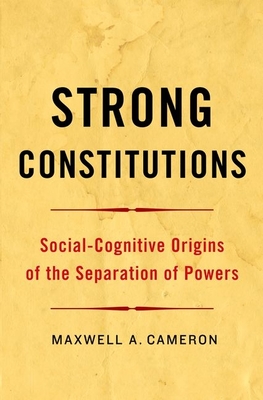
Strong Constitutions : Social-Cognitive Origins of the Separation of Powers
Book Details
Format
Hardback
ISBN-10
0199987440
ISBN-13
9780199987443
Publisher
Oxford University Press Inc
Imprint
Oxford University Press Inc
Country of Manufacture
US
Country of Publication
GB
Publication Date
Jul 11th, 2013
Print length
272 Pages
Weight
484 grams
Dimensions
24.20 x 16.50 x 2.20 cms
KSh 17,450.00
Temporarily out of stock, due soon
0 in stock
Delivery Location
Delivery fee: Select location
Secure
Quality
Fast
A bold argument that constitutional states are not weaker because their powers are divided -- they are often stronger because they solve collective action problems rooted in speech and communication.
The separation of powers is an idea with ancient origins, but nowadays it is often relegated to legal doctrine, public philosophy, or the history of ideas. Yet the concept is often evoked in debates on the "war " on terrorism, the use of emergency powers, or constitutional reform. So it is surprising that there have been few attempts to place the study of the separation of powers on a social scientific footing. To that end, this book makes a bold conjecture. It argues that the separation of powers emerged with the spread of literacy, became a central part of constitutional thought in the context of the Gutenberg revolution, and faces unprecedented challenges in our current era of electronic communication. The separation of powers is linked to social-cognitive changes associated with evolving media of communication.The essence of the argument is that constitutional states use texts to coordinate collective action, and they do so by creating governmental agencies with specific jurisdiction and competence over distinct types of power. The first, and most familiar to students of political science since Max Weber, is the power to make decisions backed by legally sanctioned coercion. Cameron highlights two other forms of power: the deliberative power to make procedurally legitimate laws, and the judicial power to interpret and apply laws in particular circumstances. The division of government into three such branches enables state officials and citizens to use written texts-legal codes and documents, including constitutions-along with unwritten rules and conventions to coordinate their activities on larger scales and over longer time horizons. Cameron argues that constitutional states are not weaker because their powers are divided. They are often stronger because they solve collective action problems rooted in speech and communication. The book is a must read for anyone interested in the separation of powers, its origin, evolution, and consequences.
Get Strong Constitutions by Maxwell Cameron at the best price and quality guaranteed only at Werezi Africa's largest book ecommerce store. The book was published by Oxford University Press Inc and it has 272 pages.
Customers Who Bought This Also Bought

End of History and the Last Man
KSh 2,700.00

12 Rules for Life
KSh 2,350.00
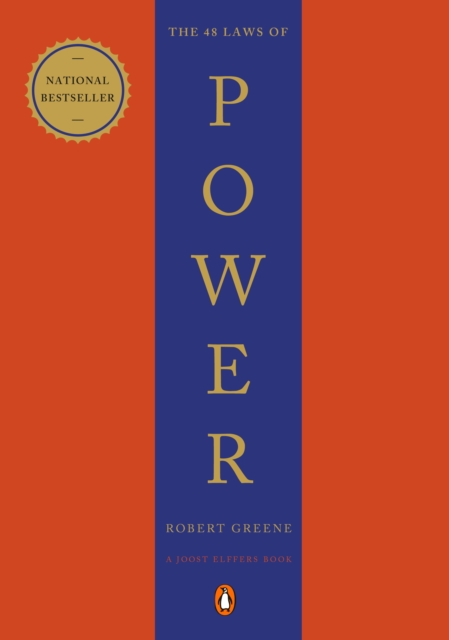
The 48 Laws of Power
KSh 4,700.00

Second Treatise of Government – Norton Library
KSh 1,600.00

Discipline and Punish
KSh 2,350.00

The Prince The Original Classic
KSh 2,150.00

How to Be a Leader – An Ancient Guide to Wise Leadership
KSh 2,800.00

The Origin of Others
KSh 3,600.00
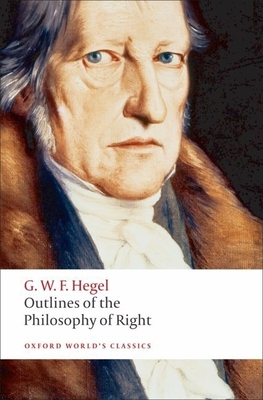
Outlines of the Philosophy of Right
KSh 2,500.00
How Fascism Works
KSh 2,900.00

The Prince
KSh 1,800.00

Who''s Afraid of Gender?
KSh 2,350.00