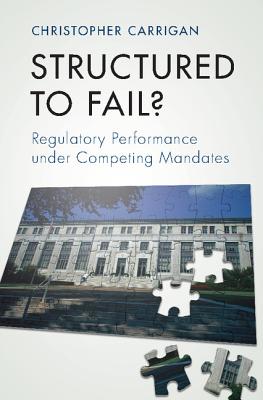
Structured to Fail? : Regulatory Performance under Competing Mandates
Book Details
Format
Hardback
ISBN-10
1107181690
ISBN-13
9781107181694
Publisher
Cambridge University Press
Imprint
Cambridge University Press
Country of Manufacture
GB
Country of Publication
GB
Publication Date
Jun 26th, 2017
Print length
334 Pages
Weight
600 grams
Dimensions
23.50 x 15.80 x 2.20 cms
KSh 19,250.00
Currently unavailable
0 in stock
Delivery Location
Delivery fee: Select location
Secure
Quality
Fast
Carrigan systematically challenges accepted principles of regulatory design by combining a statistical analysis of a broad set of US agencies with an in-depth case study of the role of the Minerals Management Service in the 2010 Gulf of Mexico oil spill to develop important conclusions for policy.
In the search for explanations for three of the most pressing crises of the early twenty-first century (the housing meltdown and financial crisis, the Gulf oil spill, and the nuclear disaster at Fukushima), commentators pointed to the structure of the regulatory agencies charged with overseeing the associated industries, noting that the need to balance competing regulatory and non-regulatory missions undermined each agency's ability to be an effective regulator. Christopher Carrigan challenges this critique by employing a diverse set of research methods, including a statistical analysis, an in-depth case study of US regulatory oversight of offshore oil and gas development leading up to the Gulf oil spill, and a formal theoretical discussion, to systematically evaluate the benefits and concerns associated with either combining or separating regulatory and non-regulatory missions. His analysis demonstrates for policymakers and scholars why assigning competing non-regulatory missions to regulatory agencies can still be better than separating them in some cases.
Get Structured to Fail? by Christopher Carrigan at the best price and quality guaranteed only at Werezi Africa's largest book ecommerce store. The book was published by Cambridge University Press and it has 334 pages.
Customers Who Bought This Also Bought
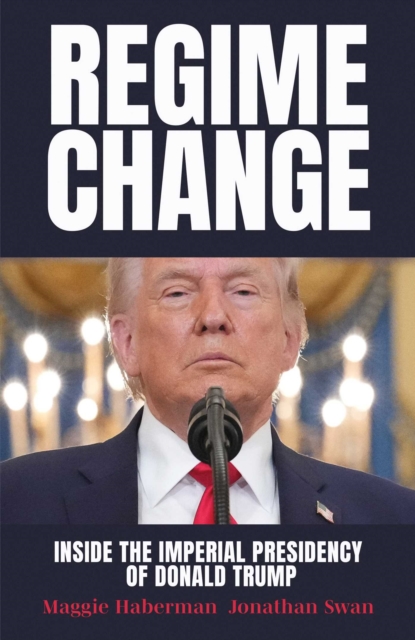
Regime Change
KSh 5,050.00

Art of War / The Book of Lord Shang
KSh 1,100.00

Wretched of the Earth
KSh 2,000.00

White Saviorism In International Development
KSh 3,800.00
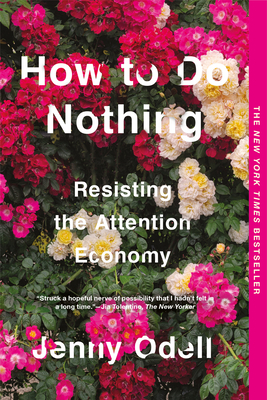
How To Do Nothing
KSh 2,700.00

How Civil Wars Start
KSh 2,000.00
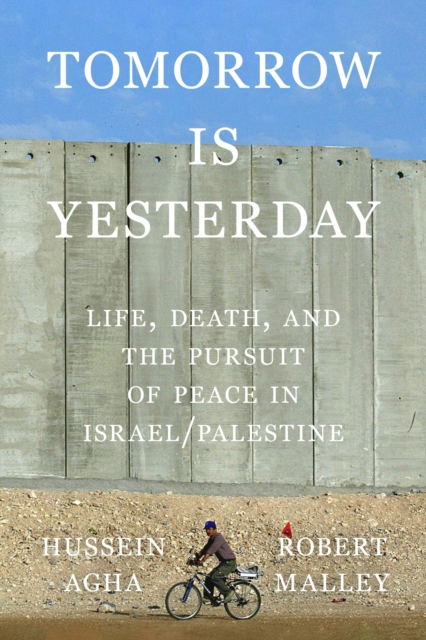
Tomorrow Is Yesterday
KSh 4,700.00

The Thinking Machine
KSh 2,350.00

Second Treatise of Government – Norton Library
KSh 1,600.00

Becoming
KSh 2,350.00

A River in Darkness
KSh 1,250.00
Warning to the West
KSh 1,600.00