
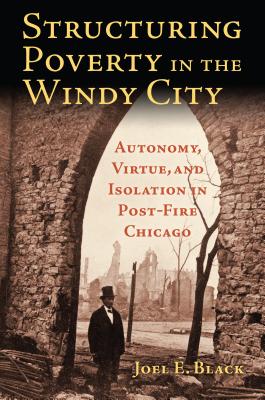
Structuring Poverty in the Windy City : Autonomy, Virtue, and Isolation in Post-Fire Chicago
Book Details
Format
Paperback / softback
ISBN-10
0700628010
ISBN-13
9780700628018
Publisher
University Press of Kansas
Imprint
University Press of Kansas
Country of Manufacture
US
Country of Publication
GB
Publication Date
May 27th, 2019
Print length
256 Pages
Weight
394 grams
Dimensions
15.40 x 23.30 x 1.50 cms
KSh 5,950.00
Werezi Extended Catalogue
Delivery in 12 days
2 copies in stock
Delivery Location
Delivery fee: Select location
Delivery in 12 days
Secure
Quality
Fast
The Great Chicago Fire in 1871 left tens of thousands without housing, food, fuel, or clothing. In the aftermath the mayor handed all relief duties to the commercial elite at the Chicago Relief and Aid Society. This was, as this study shows, a decision that ensured Chicago's physical rebuilding would be coupled with a rebuilding of the city's poor.
The Great Chicago Fire in October 1871 destroyed 2,600 acres and left tens of thousands without housing, food, fuel, or clothing. In the aftermath the mayor handed all relief duties to the commercial elite at the Chicago Relief and Aid Society. This was, as Joel E. Black's provocative study shows, a critical decision—one that ensured that Chicago's physical rebuilding would be coupled with an equally ambitious rebuilding of the city's poor, as reformers, social scientists, and journalists set out to interpret and define Chicago's jobless, wayward, and migrating populations. What emerged from this effort was a new form of social and quasi-governmental authority based on poverty—a web of political and legal theories and practices rooted in the conditions of the poor. This authority is the subject of Structuring Poverty in the Windy City.
In the decades after the Chicago Fire, the process begun by the Relief and Aid Society would expand outward—from jobless men to workingwomen to southern African American migrants, each defined by, and defining, poverty. Drawing on local newspapers, magazines, commissions, and legal decisions and documents from archives in Chicago, Black tells the stories of “tramps,” sex workers, and migrants caught within the structures of poverty; he also describes the legal and social order compelling their reform to the strictures of that selfsame order. As it reveals the central role of the impoverished in the creation of a legal order, Black's book stresses the effect of social ideas on legal thinking, which was reflected in the policies of the New Deal and, even now, in the politics of poverty and social engineering.
In the decades after the Chicago Fire, the process begun by the Relief and Aid Society would expand outward—from jobless men to workingwomen to southern African American migrants, each defined by, and defining, poverty. Drawing on local newspapers, magazines, commissions, and legal decisions and documents from archives in Chicago, Black tells the stories of “tramps,” sex workers, and migrants caught within the structures of poverty; he also describes the legal and social order compelling their reform to the strictures of that selfsame order. As it reveals the central role of the impoverished in the creation of a legal order, Black's book stresses the effect of social ideas on legal thinking, which was reflected in the policies of the New Deal and, even now, in the politics of poverty and social engineering.
Get Structuring Poverty in the Windy City by Joel E. Black at the best price and quality guaranteed only at Werezi Africa's largest book ecommerce store. The book was published by University Press of Kansas and it has 256 pages.
Customers Who Bought This Also Bought

Crusade for Justice – The Autobiography of Ida B. Wells, Second Edition
KSh 4,050.00

Killers of the Flower Moon
KSh 2,000.00

Warmth of Other Suns
KSh 3,050.00

Frederick Douglass
KSh 3,350.00
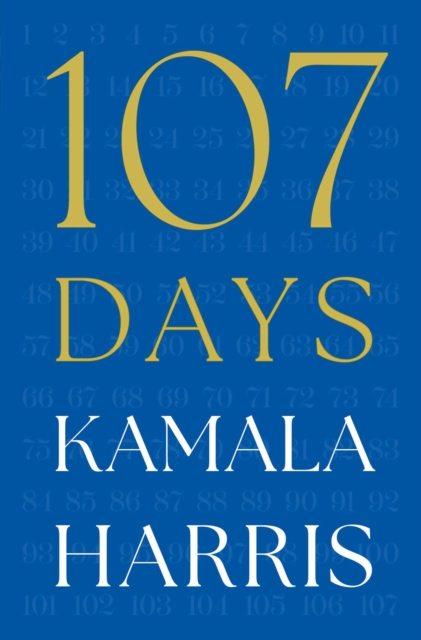
107 Days
KSh 4,500.00

Second Treatise of Government – Norton Library
KSh 1,600.00

Tuesdays With Morrie
KSh 2,000.00
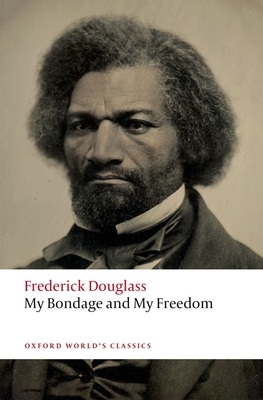
My Bondage and My Freedom
KSh 1,600.00

Hidden Figures
KSh 2,000.00
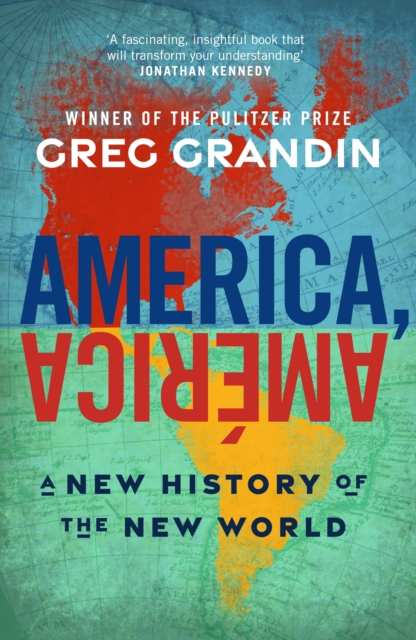
America, América
KSh 3,650.00
Holding the Line
KSh 2,000.00
Nuclear Folly
KSh 3,050.00
