Search

Categories

    • categories-img Jacket, Women
    • categories-img Woolend Jacket
    • categories-img Western denim
    • categories-img Mini Dresss
    • categories-img Jacket, Women
    • categories-img Woolend Jacket
    • categories-img Western denim
    • categories-img Mini Dresss
    • categories-img Jacket, Women
    • categories-img Woolend Jacket
    • categories-img Western denim
    • categories-img Mini Dresss
    • categories-img Jacket, Women
    • categories-img Woolend Jacket
    • categories-img Western denim
    • categories-img Mini Dresss
    • categories-img Jacket, Women
    • categories-img Woolend Jacket
    • categories-img Western denim
    • categories-img Mini Dresss

Filter By Price

$
-
$

Dietary Needs

Top Rated Product

product-img product-img

Modern Chair

$165.00
product-img product-img

Plastic Chair

$165.00
product-img product-img

Design Rooms

$165.00

Brands

  • Wooden
  • Chair
  • Modern
  • Fabric
  • Shoulder
  • Winter
  • Accessories
  • Dress

Welcome and thank you for visiting us. For any query call us on 0799 626 359 or Email [email protected]

Offcanvas Menu Open

Shopping Cart

Africa largest book store

Sub Total:

Search for any Title

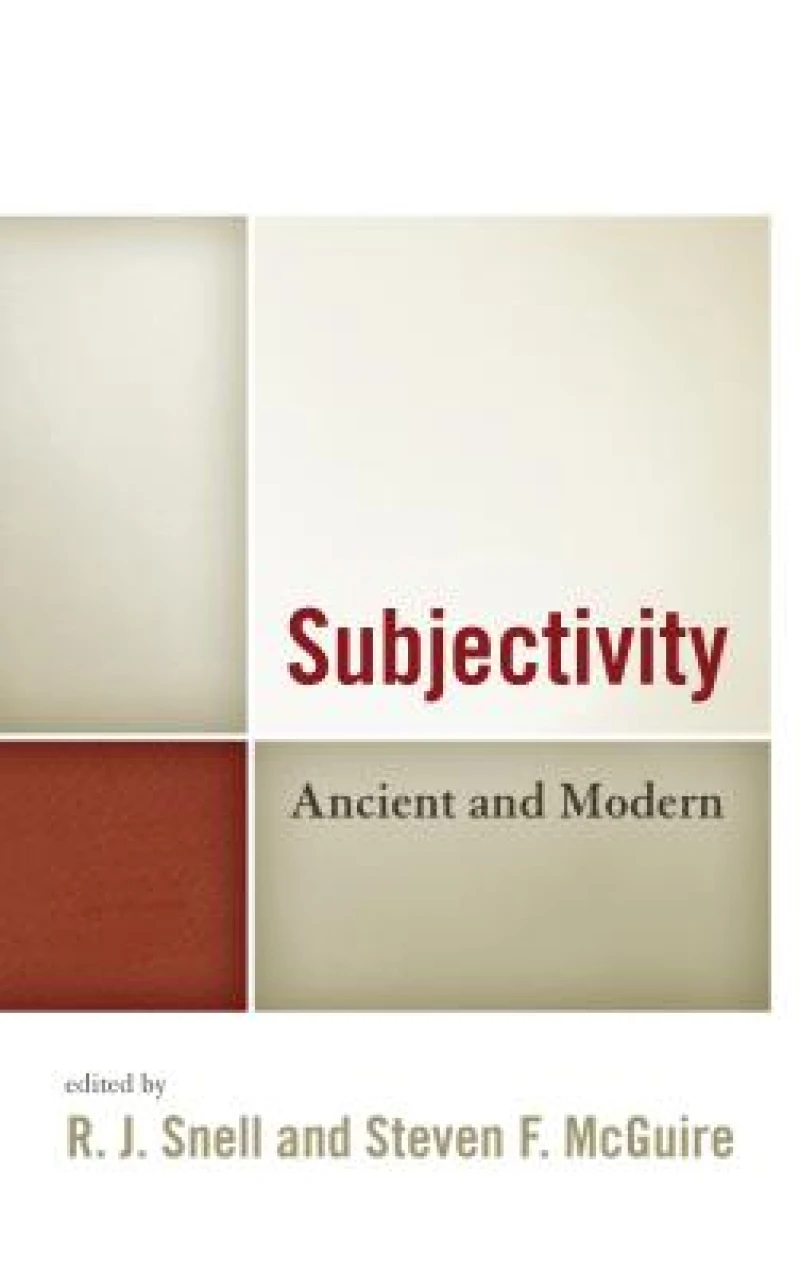
Subjectivity : Ancient and Modern

By: (Edited by) R. J. Snell , (Edited by) Steven F. McGuire

Manufactured on Demand
Delivery in 29 days

Ksh 19,250.00

Format: Hardback or Cased Book

ISBN-10: 1498513182

ISBN-13: 9781498513180

Publisher: Bloomsbury Publishing Plc

Imprint: Lexington Books

Country of Manufacture: GB

Country of Publication: GB

Publication Date: Mar 4th, 2016

Print length: 262 Pages

Weight: 544 grams

Dimensions (height x width x thickness): 15.90 x 23.50 x 2.30 cms

Choose your Location

Shipping & Delivery

Door Delivery

Delivery fee

Delivery in 29 days

  • Description

  • Reviews

In Subjectivity, sixteen leading scholars examine the turn to the subject in modern philosophy and consider its historical antecedents in ancient and medieval thought. Some critics of modernity reject the turn to the subject as a specifically modern error, arguing that it logically leads to nihilism and moral relativism by divorcing the human mind from objective reality. Yet, some important thinkers of the last half-century--including Leo Strauss, Eric Voegelin, John Finnis, and Bernard Lonergan--consider a subjective starting point and claim to find a similar position in ancient and medieval thought. If correct, their positions suggest that one can adopt the subjective turn and remain true to the tradition. This is a timely question. The common good of our polity encounters a situation in which many believe that there is no objective reality to which human minds and wills ought to conform, a conclusion that suggests we can define and construct reality. In light of this, the notion of a natural or objective reality to which human beings ought to conform becomes particularly vital. Should we, then, adopt the modern turn to subjectivity and argue for objective truth and moral order on its basis, or reject the subjective turn as part of the problem and return to an earlier approach that grounds these things in nature or some other external reality? Critics of modern subjectivity argue that the modern turn to subjectivity must be abandoned because it is the very source of the nominalism that threatens to undermine liberal democracy. Others argue, however, that subjectivity itself logically leads to the recognition of an objective reality beyond the mind of the individual. Edited by R. J. Snell and Steven F. McGuire, this collection will be of particular interest to intellectual historians, political philosophers, theologians, and philosophers.

Get Subjectivity by at the best price and quality guranteed only at Werezi Africa largest book ecommerce store. The book was published by Bloomsbury Publishing Plc and it has pages. Enjoy Shopping Best Offers & Deals on books Online from Werezi - Receive at your doorstep - Fast Delivery - Secure mode of Payment

Customer Reviews

Based on 0 reviews

Mind, Body, & Spirit