
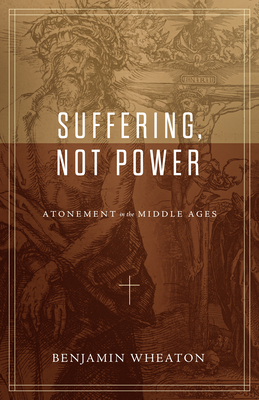
Suffering, Not Power
Book Details
Format
Paperback / softback
ISBN-10
1683595998
ISBN-13
9781683595991
Publisher
Faithlife Corporation
Imprint
Faithlife Corporation
Country of Manufacture
GB
Country of Publication
GB
Publication Date
Jun 8th, 2022
Print length
232 Pages
Weight
308 grams
Dimensions
21.80 x 14.10 x 1.60 cms
Product Classification:
ChristianityChristian theologyChristianityChristianity
KSh 4,500.00
Currently unavailable
0 in stock
Delivery Location
Delivery fee: Select location
Secure
Quality
Fast
Was Christ's death a victory over death or a substitution for sin? Many today follow Gustav Aulén's Christus Victor view. According to Aulén, this was the dominant view of the church until Anselm reframed atonement as satisfaction and the Reformers reframed it as penal substitution. This book challenges that common narrative.
Correcting a popular view of the atonement
Was Christ''s death a victory over death or a substitution for sin? Many today follow Gustav Aulén''s Christus Victor view, which portrays Christ''s death as primarily a victory over the powers of evil and death. According to Aulén, this was the dominant view of the church until Anselm reframed atonement as satisfaction and the Reformers reframed it as penal substitution.
In Suffering, Not Power, Benjamin Wheaton challenges this common narrative. Sacrificial and substitutionary language was common well before Anselm''s Cur Deus Homo. Wheaton displays this through a careful analysis of three medieval figures whose writings on the atonement are commonly overlooked: Caesarius of Arles, Haimo of Auxerre, and Dante Alighieri. These individuals come from different times and contexts and wrote in different genres, but each spoke of Christ''s death as a sacrifice of expiation and propitiation made by God to God.
Let history speak for itself, read the evidence, and reconsider the church''s belief in Christ''s substitutionary death for sinners.
Was Christ''s death a victory over death or a substitution for sin? Many today follow Gustav Aulén''s Christus Victor view, which portrays Christ''s death as primarily a victory over the powers of evil and death. According to Aulén, this was the dominant view of the church until Anselm reframed atonement as satisfaction and the Reformers reframed it as penal substitution.
In Suffering, Not Power, Benjamin Wheaton challenges this common narrative. Sacrificial and substitutionary language was common well before Anselm''s Cur Deus Homo. Wheaton displays this through a careful analysis of three medieval figures whose writings on the atonement are commonly overlooked: Caesarius of Arles, Haimo of Auxerre, and Dante Alighieri. These individuals come from different times and contexts and wrote in different genres, but each spoke of Christ''s death as a sacrifice of expiation and propitiation made by God to God.
Let history speak for itself, read the evidence, and reconsider the church''s belief in Christ''s substitutionary death for sinners.
Get Suffering, Not Power by Benjamin Wheaton at the best price and quality guaranteed only at Werezi Africa's largest book ecommerce store. The book was published by Faithlife Corporation and it has 232 pages.
Customers Who Bought This Also Bought
Mere Christianity
KSh 2,000.00
On Birth
KSh 1,250.00
What Is Reformed Theology?
KSh 2,700.00

History of Christianity
KSh 3,800.00

Into the Heart of Romans
KSh 3,600.00
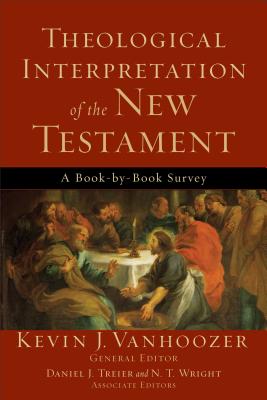
Theological Interpretation of the New Testament
KSh 3,800.00
The Unseen Realm
KSh 3,600.00

Jesus and the Powers – Christian Political Witness in an Age of Totalitarian Terror and Dysfunctional Democracies
KSh 2,500.00

The Old Testament in Seven Sentences – A Small Introduction to a Vast Topic
KSh 1,800.00

Mere Christianity
KSh 2,350.00
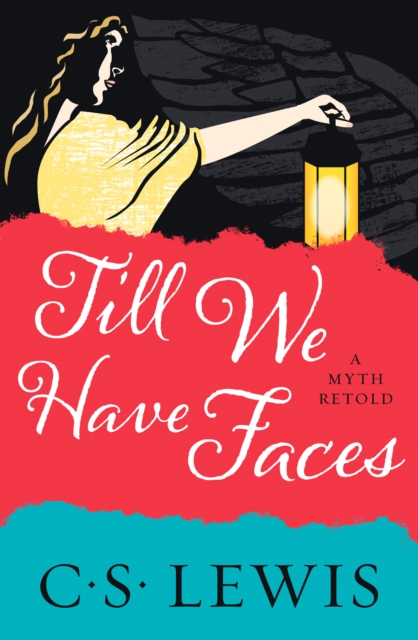
Till We Have Faces
KSh 2,000.00
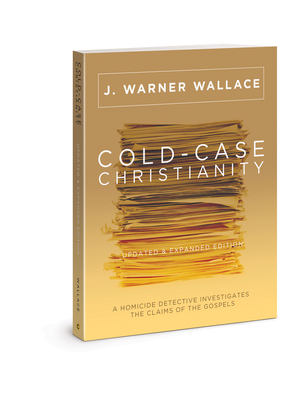
Cold-Case Christianity (Updated & Expanded Edition)
KSh 2,700.00
