
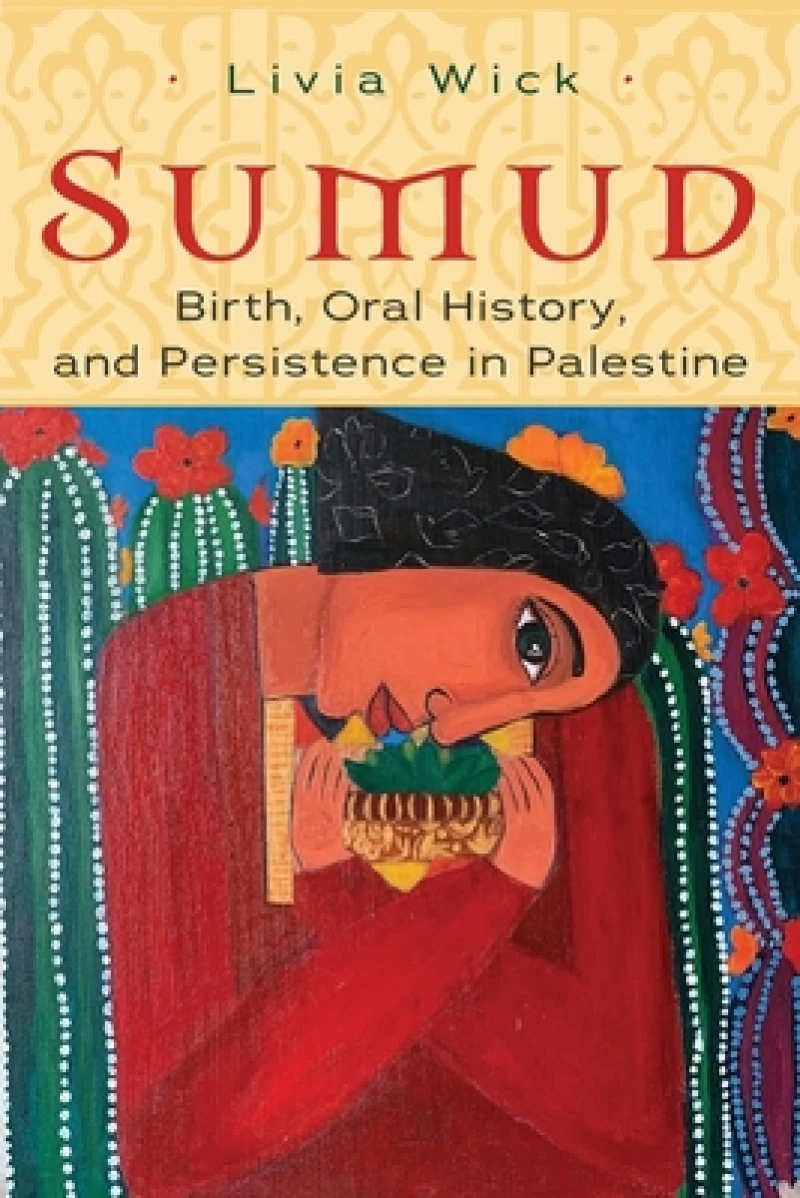
Sumud : Birth, Oral History, and Persisting in Palestine
by
Livia Wick
Book Details
Format
Hardback or Cased Book
Book Series
Gender, Culture, and Politics in the Middle East
ISBN-10
0815637799
ISBN-13
9780815637790
Publisher
Syracuse University Press
Imprint
Syracuse University Press
Country of Manufacture
GB
Country of Publication
GB
Publication Date
Jan 3rd, 2023
Print length
200 Pages
Weight
363 grams
Dimensions
22.80 x 15.20 x 1.60 cms
Ksh 10,800.00
Werezi Extended Catalogue
0 in stock
Delivery Location
Delivery fee: Select location
Secure
Quality
Fast
Opens a window onto the lives of Palestinians, exploring specifically the experience of giving birth. Drawing upon oral histories, Wick follows the stories of mothers, nurses, and midwives in villages and refugee camps. She maps the ways in which individuals narrate and experience birth, calling attention to the genre and form of these stories.
Sumud, meaning steadfastness in Arabic, is central to the issues of survival and resistance that are part of daily life for Palestinians. Although much has been written about the politics, leaders, and history of Palestine, less is known about how everyday working-class Palestinians exist day to day, negotiating military occupation and shifting social infrastructure. Wick’s powerful ethnography opens a window onto the lives of Palestinians, exploring specifically the experience of giving birth. Drawing upon oral histories, Wick follows the stories of mothers, nurses, and midwives in villages and refugee camps. She maps the ways in which individuals narrate and experience birth, calling attention to the genre and form of these stories.
Placing these oral histories in context, the book looks at the history of the infrastructure surrounding birth and medicine in Palestine, from large hospitals to village clinics, to private homes. As the medical landscape changed from centralized urban hospitals to decentralized independent caregivers, women increasingly carved a space for themselves in public discourse and employed the concept of sumud to relate their everyday struggles.
Placing these oral histories in context, the book looks at the history of the infrastructure surrounding birth and medicine in Palestine, from large hospitals to village clinics, to private homes. As the medical landscape changed from centralized urban hospitals to decentralized independent caregivers, women increasingly carved a space for themselves in public discourse and employed the concept of sumud to relate their everyday struggles.
Get Sumud by at the best price and quality guaranteed only at Werezi Africa's largest book ecommerce store. The book was published by Syracuse University Press and it has pages.

