

Supporting Latina Students in Engineering and Computing : A Chicana Feminist Approach
Book Details
Format
Paperback / softback
ISBN-10
889557000Y
ISBN-13
9798895570005
Publisher
Harvard Educational Publishing Group
Imprint
Harvard Educational Publishing Group
Country of Manufacture
GB
Country of Publication
GB
Publication Date
Sep 30th, 2025
Print length
224 Pages
Weight
320 grams
Dimensions
22.70 x 15.20 x 1.80 cms
Product Classification:
Curriculum planning and developmentEducational strategies and policy: inclusionInclusive education / mainstreamingEducational administration and organizationOrganization & management of educationCurriculum planning & developmentHigher & further education, tertiary educationHigher education, tertiary education
KSh 5,200.00
Temporarily out of stock, due soon
0 in stock
Delivery Location
Delivery fee: Select location
Secure
Quality
Fast
Evidence-based strategies empower Latina students to excel in engineering and computing by reshaping departmental cultures and instilling belonging. Culturally rooted practices, inclusive curricula, and active partnerships counter systemic exclusion, bolstering competence, confidence, and long-term achievement.
Research-based strategies for creating inclusive higher education spaces that encourage Latina student success in engineering and computer science
In Supporting Latina Students in Engineering and Computing, Sarah L. Rodriguez presents a series of evidence-based strategies to foster a sense of belonging and inclusion among Latina students in engineering and computing programs. This work emphasizes the need for asset-based, culturally rooted perspectives to shift departmental culture and enrich the educational experiences of Latina students, who have been historically underrepresented in these fields.
Rodriguez suggests a multipronged approach involving practitioners in all areas of higher education, including administration, faculty, advisory staff, student organizations, and community partners, to achieve a collective impact. She demonstrates how efforts such as inclusive curricula, relationship building, and robust peer resources increase equity in higher education spaces. Drawing on Chicana feminist theory, she calls for antiracist, restorative, and critical methods as ways to resist systemic exclusion and oppression as well as honor and shape the intersectional identities of Latina students in undergraduate STEM programs.
Through vignettes of student and practitioner experiences and spotlights on organizational successes, the work shows how targeted supports can engage students through their interests, improve student competence and confidence, and expand diversity of thought, which can in turn lead to Latina student persistence in college and later success in the engineering and computing workforce.
In Supporting Latina Students in Engineering and Computing, Sarah L. Rodriguez presents a series of evidence-based strategies to foster a sense of belonging and inclusion among Latina students in engineering and computing programs. This work emphasizes the need for asset-based, culturally rooted perspectives to shift departmental culture and enrich the educational experiences of Latina students, who have been historically underrepresented in these fields.
Rodriguez suggests a multipronged approach involving practitioners in all areas of higher education, including administration, faculty, advisory staff, student organizations, and community partners, to achieve a collective impact. She demonstrates how efforts such as inclusive curricula, relationship building, and robust peer resources increase equity in higher education spaces. Drawing on Chicana feminist theory, she calls for antiracist, restorative, and critical methods as ways to resist systemic exclusion and oppression as well as honor and shape the intersectional identities of Latina students in undergraduate STEM programs.
Through vignettes of student and practitioner experiences and spotlights on organizational successes, the work shows how targeted supports can engage students through their interests, improve student competence and confidence, and expand diversity of thought, which can in turn lead to Latina student persistence in college and later success in the engineering and computing workforce.
Get Supporting Latina Students in Engineering and Computing by Sarah L. Rodriguez at the best price and quality guaranteed only at Werezi Africa's largest book ecommerce store. The book was published by Harvard Educational Publishing Group and it has 224 pages.
Customers Who Bought This Also Bought
What Really Works in Special and Inclusive Education
KSh 7,650.00

Living Well Together
KSh 4,700.00

Assessing Young Children in Inclusive Settings
KSh 6,500.00

Stories for Every Classroom
KSh 8,450.00
Ability, Equity & Culture
KSh 5,250.00
A Sociology of Special and Inclusive Education
KSh 8,450.00
Inclusive Education in Schools and Early Childhood Settings
KSh 21,600.00

Community Literacy in Elementary Classrooms
KSh 10,800.00
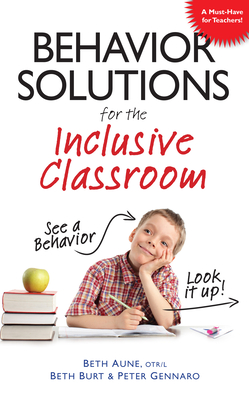
Behavior Solutions for the Inclusive Classroom
KSh 2,450.00

Teaching Mindfulness to Teens as a Path of Empowerment
KSh 10,800.00
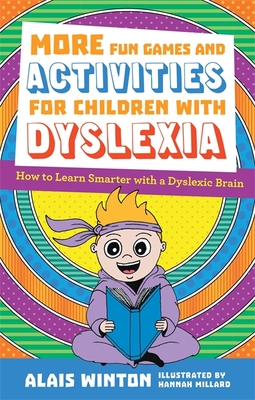
More Fun Games and Activities for Children with Dyslexia
KSh 2,900.00

Higher Education: Handbook of Theory and Research
KSh 50,400.00
