

Surviving the Mongols : Nizari Quhistani and the Continuity of the Ismaili Tradition in Persia
Book Details
Format
Hardback
Book Series
Ismaili Heritage
ISBN-10
1860644325
ISBN-13
9781860644320
Publisher
Bloomsbury Publishing PLC
Imprint
I.B. Tauris
Country of Manufacture
GB
Country of Publication
GB
Publication Date
Jul 26th, 2002
Print length
208 Pages
KSh 6,500.00
Currently unavailable
0 in stock
Delivery Location
Delivery fee: Select location
Secure
Quality
Fast
This study examines the writings of Nizari Quhistani, one of the Ismaili authors who survived the Mongol invasion in the 13th century. The evidence of his writings demonstrate that while the Ismaili community was impaired, its organizational structure and internal coherence continued to operate.
The Mongol invasion of Iran in the 13th century was a catastrophic event for all its inhabitants. For the persian Ismaili in particular, it put an end to their political aspirations and independent existence for many centuries. It has been held by many historians that subsequent to the fall of the central Ismaili fortress of Alumut to the Mongols, the community was virtually extripated from the region and its institutional network dismantled until its revival in the 16th century under the Safavid dynasty. Such an expansive view of post-Alumut Ismailism is questioned by this study which examines the poetic writings of Nizari Quhistani, one of the Ismaili authors who survived the Mongol invasion. The evidence of his writings demonstrate that while the Ismaili community was seriously impaired, its organizational structure and internal coherence were in no means decimated but continued to operate in different forms through the Mongol period of Persian history.
Get Surviving the Mongols by Nadia Eboo Jamal at the best price and quality guaranteed only at Werezi Africa's largest book ecommerce store. The book was published by Bloomsbury Publishing PLC and it has 208 pages.
Customers Who Bought This Also Bought
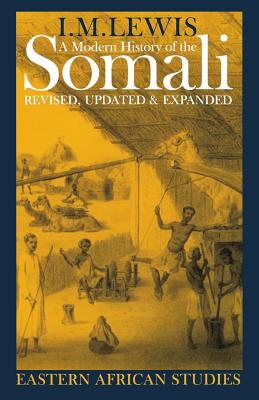
A Modern History of the Somali
KSh 5,300.00

Sapiens
KSh 2,350.00

Rise Fall Great Powers
KSh 3,050.00

Legacy of Violence
KSh 3,150.00

Chip War
KSh 2,000.00
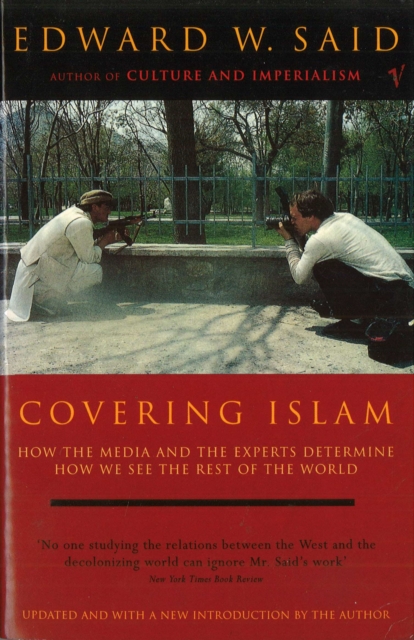
Covering Islam
KSh 2,350.00

They Came Before Columbus
KSh 3,400.00

Hiroshima
KSh 2,000.00

Guns, Germs and Steel
KSh 2,400.00

Silk Roads
KSh 3,050.00

Empire
KSh 2,700.00

Strategy
KSh 4,350.00
