
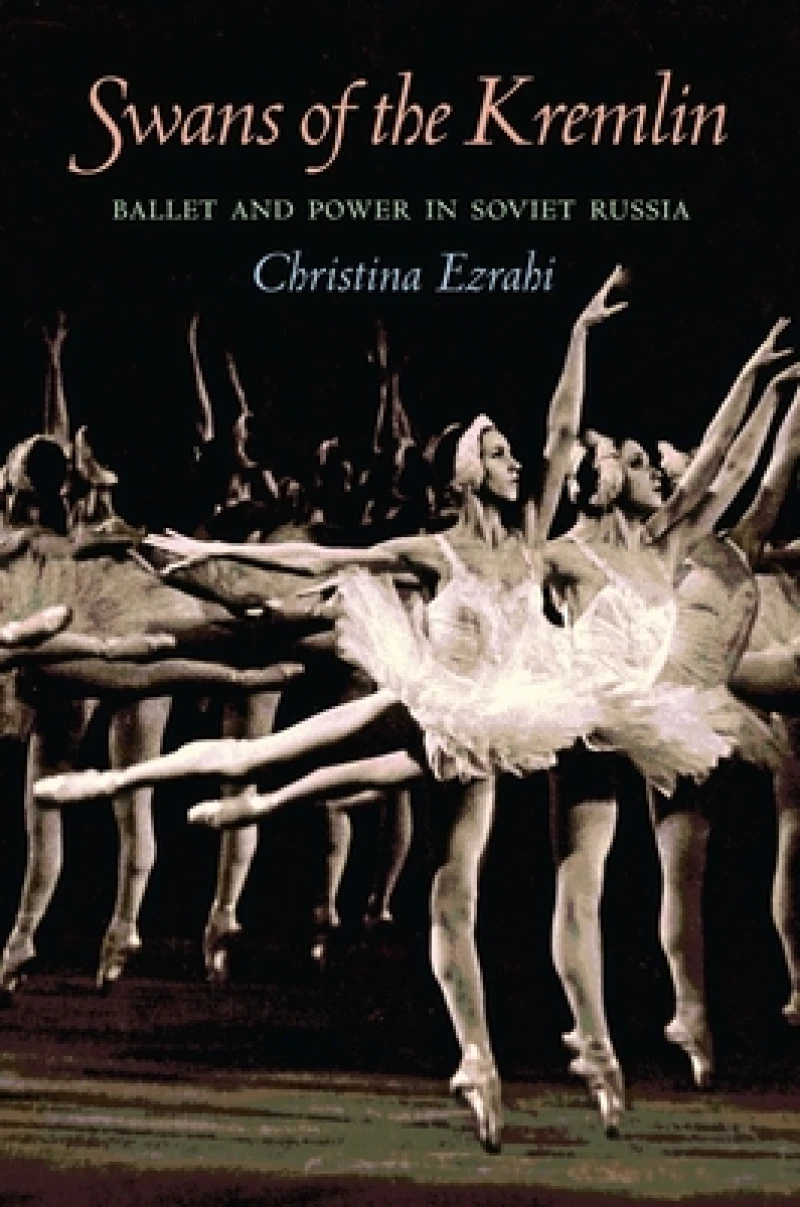
Swans of the Kremlin : Ballet and Power in Soviet Russia
Book Details
Format
Paperback / Softback
Book Series
Russian and East European Studies
ISBN-10
0822962144
ISBN-13
9780822962144
Publisher
University of Pittsburgh Press
Imprint
University of Pittsburgh Press
Country of Manufacture
GB
Country of Publication
GB
Publication Date
Nov 30th, 2012
Print length
336 Pages
Product Classification:
DanceDanceEuropean historyEuropean history
Ksh 8,800.00
Temporarily out of stock, due soon
0 in stock
Delivery Location
Delivery fee: Select location
Secure
Quality
Fast
Based on her extensive research into official archives, and personal interviews with many of the artists and staff, Ezrahi presents the first-ever account of the inner workings of these famed ballet troupes during the Soviet era.
Classical ballet was perhaps the most visible symbol of aristocratic culture and its isolation from the rest of Russian society under the tsars. In the wake of the October Revolution, ballet, like all of the arts, fell under the auspices of the Soviet authorities. In light of these events, many feared that the imperial ballet troupes would be disbanded. Instead, the Soviets attempted to mold the former imperial ballet to suit their revolutionary cultural agenda and employ it to reeducate the masses. As Christina Ezrahi’s groundbreaking study reveals, they were far from successful in this ambitious effort to gain complete control over art. Swans of the Kremlin offers a fascinating glimpse at the collision of art and politics during the volatile first fifty years of the Soviet period. Ezrahi shows how the producers and performers of Russia’s two major troupes, the Mariinsky (later Kirov) and the Bolshoi, quietly but effectively resisted Soviet cultural hegemony during this period. Despite all controls put on them, they managed to maintain the classical forms and traditions of their rich artistic past and to further develop their art form. These aesthetic and professional standards proved to be the power behind the ballet’s worldwide appeal. The troupes soon became the showpiece of Soviet cultural achievement, as they captivated Western audiences during the Cold War period. Based on her extensive research into official archives, and personal interviews with many of the artists and staff, Ezrahi presents the first-ever account of the inner workings of these famed ballet troupes during the Soviet era. She follows their struggles in the postrevolutionary period, their peak during the golden age of the 1950s and 1960s, and concludes with their monumental productions staged to celebrate the fiftieth anniversary of the revolution in 1968.
Get Swans of the Kremlin by at the best price and quality guaranteed only at Werezi Africa's largest book ecommerce store. The book was published by University of Pittsburgh Press and it has pages.

