
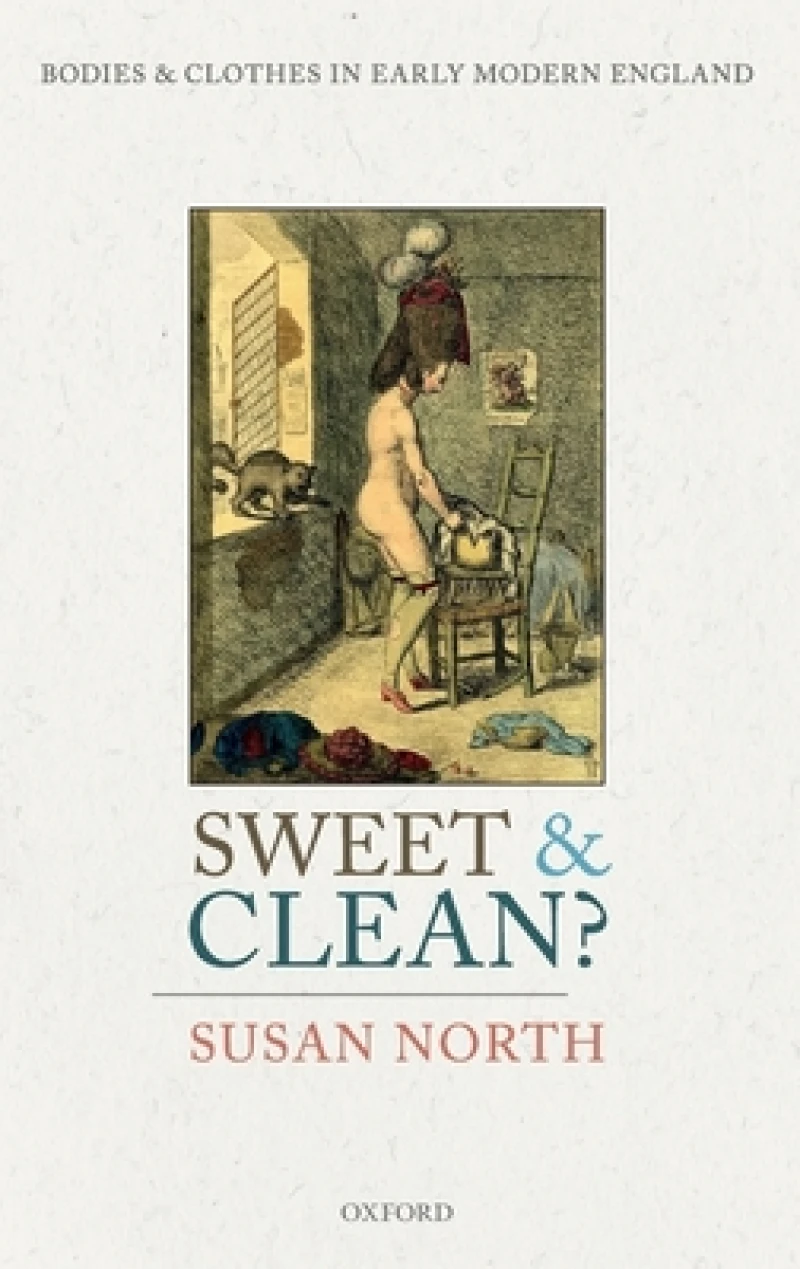
Sweet and Clean? : Bodies and Clothes in Early Modern England
by
Susan North
Book Details
Format
Hardback or Cased Book
ISBN-10
019885613X
ISBN-13
9780198856139
Publisher
Oxford University Press
Imprint
Oxford University Press
Country of Manufacture
GB
Country of Publication
GB
Publication Date
Mar 26th, 2020
Print length
356 Pages
Weight
768 grams
Dimensions
16.40 x 24.20 x 2.70 cms
Ksh 23,900.00
Manufactured on Demand
0 in stock
Delivery Location
Delivery fee: Select location
Secure
Quality
Fast
How dirty were our ancestors, really? Academic history has persuaded us that everyone in the early modern era thought bathing was unhealthy, so they didn't do it. Sweet and Clean? challenges this view, using a range of fascinating evidence to tell a different story about the washing of bodies and scrubbing of clothes in early modern England.
Sweet and Clean? challenges the widely held beliefs on bathing and cleanliness in the past. For over thirty years, the work of the French historian, George Vigarello, has been hugely influential on early modern European social history, describing an aversion to water and bathing, and the use of linen underwear as the sole cleaning agent for the body. However, these concepts do not apply to early modern England. Sweet and Clean? analyses etiquette and medical literature, revealing repeated recommendations to wash or bathe in order to clean the skin. Clean linen was essential for propriety but advice from medical experts was contradictory. Many doctors were convinced that it prevented the spread of contagious diseases, but others recommended flannel for undergarments, and a few thought changing a fever patient''s linens was dangerous. The methodology of material culture helps determine if and how this advice was practiced. Evidence from inventories, household accounts and manuals, and surviving linen garments tracks underwear through its life-cycle of production, making, wearing, laundering, and final recycling. Although the material culture of washing bodies is much sparser, other sources, such as the Old Bailey records, paint a more accurate picture of cleanliness in early modern England than has been previously described. The contrasting analyses of linen and bodies reveal what histories material culture best serves. Finally, what of the diseases-plague, smallpox, and typhus-that cleanliness of body and clothes were thought to prevent? Did following early modern medical advice protect people from these illnesses?
Get Sweet and Clean? by at the best price and quality guaranteed only at Werezi Africa's largest book ecommerce store. The book was published by Oxford University Press and it has pages.

