

Tangential Terrains : Cormac McCarthy's Geoaesthetics
Book Details
Format
Paperback / softback
Book Series
Western Literature and Fiction Series
ISBN-10
1647792312
ISBN-13
9781647792312
Publisher
University of Nevada Press
Imprint
University of Nevada Press
Country of Manufacture
GB
Country of Publication
GB
Publication Date
Mar 10th, 2026
Print length
280 Pages
Weight
334 grams
Dimensions
15.10 x 22.80 x 1.80 cms
KSh 8,300.00
Werezi Extended Catalogue
Delivery in 12 days
2 copies in stock
Delivery Location
Delivery fee: Select location
Delivery in 12 days
Secure
Quality
Fast
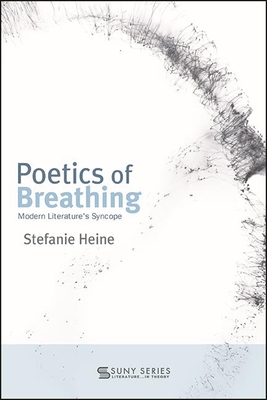
Tangential Terrains is an ecocritical study of the work of Cormac McCarthy, focusing primarily on his depictions of the desert and inorganic nature in Blood Meridian. Close readings of previously unexamined archival manuscripts and drafts shed new light on McCarthy's compositional processes, revealing how the development of written matter in the novel-in-progress can correspond to geological processes like erosion, erratics, stratification, and continental drift.
Blood Meridian's emergent geoaesthetics reveals forces operating according to other-than-human principles, as literary desert terrains retain a passive resistance, or weak agency, which presents a radical disturbance of anthropocentrism, mirrored in the novel's style. Though the mediated unstable deserts in Blood Meridian defy appropriation, they are neither untouched nor untouchable: the borderlands bear the wounds and "blood meridians" of a non-chronological history of violence, tangential to the massacres of Native American and Mexican peoples depicted in the novel.
Stefanie Heine's reading of Blood Meridian offers a crucial contribution to and intervention in contemporary ecocriticism, Anthropocene criticism, and New Materialist theories, encouraging readers to critically rethink customary notions of entanglement, kinship, and agency.
Blood Meridian's emergent geoaesthetics reveals forces operating according to other-than-human principles, as literary desert terrains retain a passive resistance, or weak agency, which presents a radical disturbance of anthropocentrism, mirrored in the novel's style. Though the mediated unstable deserts in Blood Meridian defy appropriation, they are neither untouched nor untouchable: the borderlands bear the wounds and "blood meridians" of a non-chronological history of violence, tangential to the massacres of Native American and Mexican peoples depicted in the novel.
Stefanie Heine's reading of Blood Meridian offers a crucial contribution to and intervention in contemporary ecocriticism, Anthropocene criticism, and New Materialist theories, encouraging readers to critically rethink customary notions of entanglement, kinship, and agency.
Get Tangential Terrains by Stefanie Heine at the best price and quality guaranteed only at Werezi Africa's largest book ecommerce store. The book was published by University of Nevada Press and it has 280 pages.
Customers Who Bought This Also Bought
On Freedom
KSh 2,350.00
The Origin of Others
KSh 3,600.00
There Are Places in the World Where Rules Are Less Important Than Kindness
KSh 3,600.00

Amazing Peace
KSh 3,050.00

Lewis Carroll and "Alice" on Stage
KSh 9,350.00
There Are Places in the World Where Rules Are Less Important Than Kindness
KSh 2,350.00

Swim in a Pond in the Rain
KSh 2,000.00

The Obscene Bird of Night – unabridged, centennial edition
KSh 3,050.00
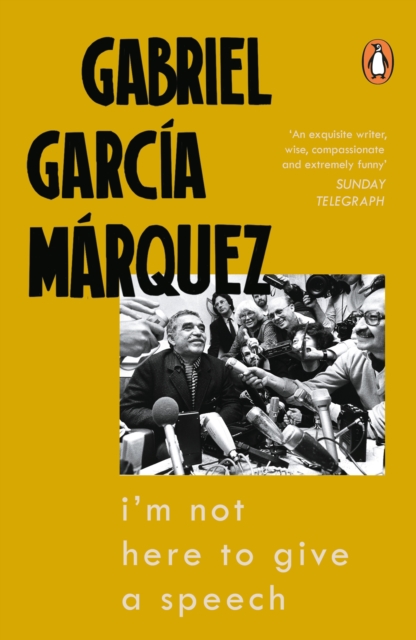
I''m Not Here to Give a Speech
KSh 1,800.00
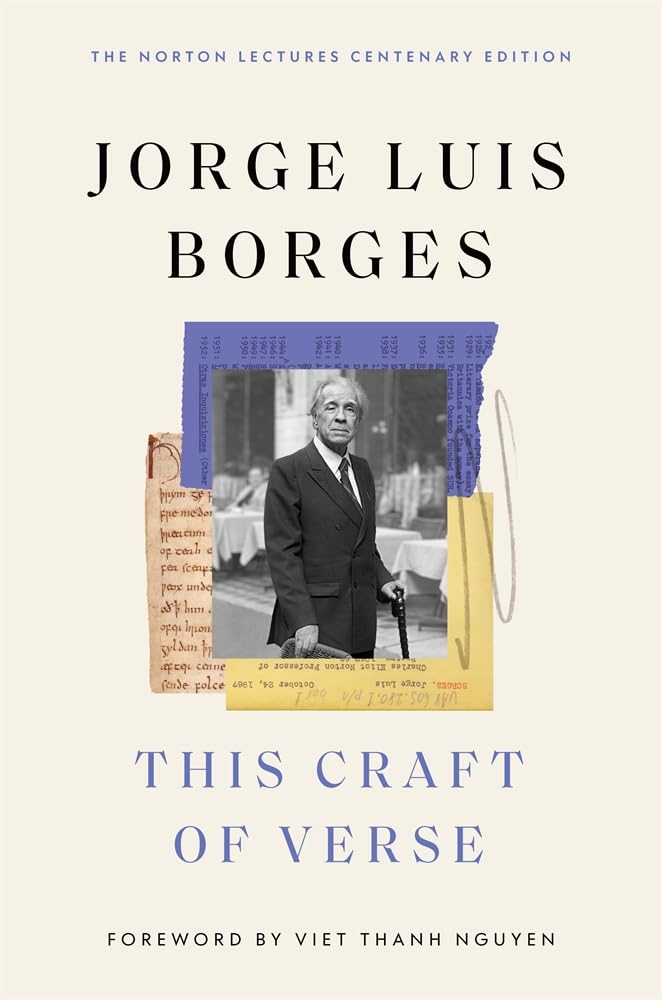
This Craft of Verse
KSh 3,600.00

On Great Writing (On the Sublime)
KSh 2,000.00

The Naked Eye
KSh 2,350.00
More in This Genre
On Freedom
KSh 2,350.00
The Origin of Others
KSh 3,600.00
There Are Places in the World Where Rules Are Less Important Than Kindness
KSh 3,600.00
Amazing Peace
KSh 3,050.00
Lewis Carroll and "Alice" on Stage
KSh 9,350.00
There Are Places in the World Where Rules Are Less Important Than Kindness
KSh 2,350.00
