
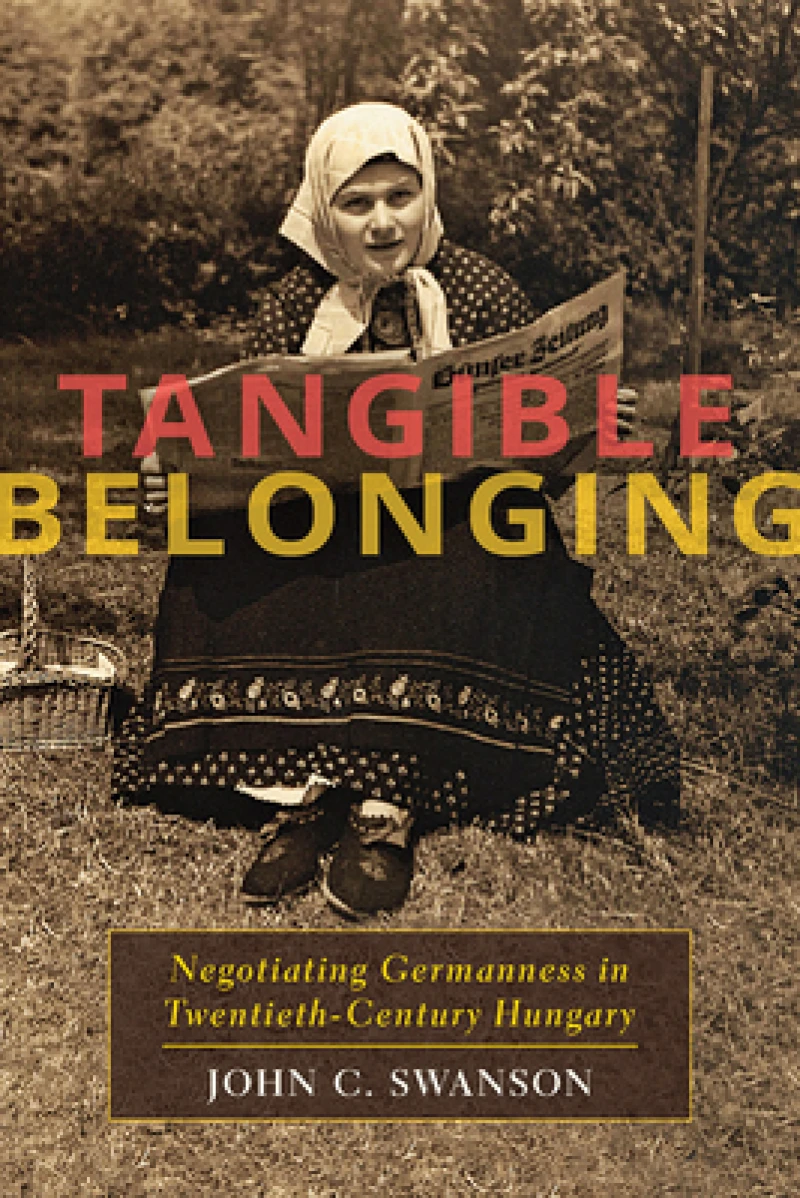
Tangible Belonging : Negotiating Germanness in Twentieth-Century Hungary
Book Details
Format
Paperback / Softback
Book Series
Russian and East European Studies
ISBN-10
0822964295
ISBN-13
9780822964292
Publisher
University of Pittsburgh Press
Imprint
University of Pittsburgh Press
Country of Manufacture
US
Country of Publication
GB
Publication Date
Nov 18th, 2016
Print length
464 Pages
Weight
894 grams
Dimensions
15.40 x 23.00 x 2.80 cms
Ksh 10,650.00
Temporarily out of stock, due soon
0 in stock
Delivery Location
Delivery fee: Select location
Secure
Quality
Fast
A compelling historical and ethnographic study of the German speakers in Hungary, from the late nineteenth to the late twentieth century.
Tangible Belonging presents a compelling historical and ethnographic study of the German speakers in Hungary, from the late nineteenth to the late twentieth century. Through this tumultuous period in European history, the Hungarian-German leadership tried to organize German-speaking villagers, Hungary tried to integrate (and later expel) them, and Germany courted them. The German speakers themselves, however, kept negotiating and renegotiating their own idiosyncratic sense of what it meant to be German. John C. Swanson's work looks deeply into the enduring sense of tangible belonging that characterized Germanness from the perspective of rural dwellers, as well as the broader phenomenon of "minority making" in twentieth-century Europe. The chapters reveal the experiences of Hungarian Germans through the First World War and the subsequent dissolution of Austria-Hungary; the treatment of the German minority in the newly independent Hungarian Kingdom; the rise of the racial Volksdeutsche movement and Nazi influence before and during the Second World War; the immediate aftermath of the war and the expulsions; the suppression of German identity in Hungary during the Cold War; and the fall of Communism and reinstatement of minority rights in 1993. Throughout, Swanson offers colorful oral histories from residents of the rural Swabian villages to supplement his extensive archival research. As he shows, the definition of being a German in Hungary varies over time and according to individual interpretation, and does not delineate a single national identity. What it meant to be German was continually in flux. In Swanson's broader perspective, defining German identity is ultimately a complex act of cognition reinforced by the tangible environment of objects, activities, and beings. As such, it endures in individual and collective mentalities despite the vicissitudes of time, history, language, and politics.
Get Tangible Belonging by at the best price and quality guaranteed only at Werezi Africa's largest book ecommerce store. The book was published by University of Pittsburgh Press and it has pages.

