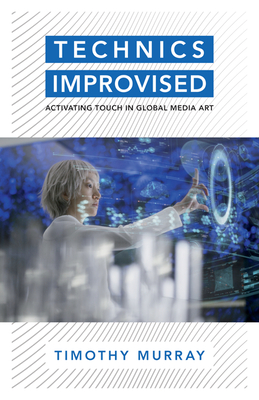
Technics Improvised : Activating Touch in Global Media Art
Book Details
Format
Paperback / softback
ISBN-10
1517912873
ISBN-13
9781517912871
Publisher
University of Minnesota Press
Imprint
University of Minnesota Press
Country of Manufacture
GB
Country of Publication
GB
Publication Date
Feb 8th, 2022
Print length
272 Pages
Weight
334 grams
Dimensions
13.80 x 21.60 x 1.80 cms
Product Classification:
The arts: general issuesElectronic, holographic & video artMedia studies
KSh 4,300.00
Temporarily out of stock, due soon
0 in stock
Delivery Location
Delivery fee: Select location
Secure
Quality
Fast
Seeing new media art as an entry point for better understanding of technology and worldmaking futures In this challenging work, a leading authority on new media art examines that curatorial and aesthetic landscape to explore how art resists and rewires the political and economic structures that govern technology. How do inventive combinations of artistic and theoretical improvisation counter the extent to which media art remains at risk, not just from the quarantines of a global pandemic but also from the very viral and material conditions of technology? How does global media art speak back to the corporate closures of digital euphoria as clothed in strategies of digital surveillance, ecological deprivation, and planned obsolescence? In Technics Improvised, Timothy Murray asks these questions and more. At the intersection of global media art, curatorial practice, tactical media, and philosophy, Murray reads a wide range of creative performances and critical texts that envelop artistic and digital materials in unstable, political relations of touch, body, archive, exhibition, and technology. From video to net art and interactive performance, he considers both canonical and unheralded examples of activist technics that disturb the hegemony of biopolitical/digital networks by staging the very touch of the unsettling discourse erupting from within. In the process, critical dialogues emerge between a wide range of artists and theorists, from Hito Steyerl, Ricardo Dominguez, Joan Jonas, Isaac Julien, Ryoji Ikeda, and Shadi Nazarian to Gilles Deleuze, Jean-Luc Nancy, Elizabeth Povinelli, Jean-François Lyotard, Erin Manning, Achille Mbembe, and Samuel Weber. Brilliantly conceived and argued and eloquently written, Technics Improvised points the way to how artistic and theoretical practice can seize on the improvisational accidents of technics to activate creativity, thought, and politics anew.
Get Technics Improvised by Timothy Murray at the best price and quality guaranteed only at Werezi Africa's largest book ecommerce store. The book was published by University of Minnesota Press and it has 272 pages.
Customers Who Bought This Also Bought

On Freedom
KSh 2,350.00

How To Live An Artful Life
KSh 3,050.00

Photography
KSh 7,350.00

Fail Better
KSh 6,200.00
First Person Singular
KSh 1,800.00

Rosarita
KSh 1,800.00
The Art of Diremption – On the Powerlessness of Art
KSh 3,300.00
Languages of Truth
KSh 2,350.00

Fish Out of Water
KSh 2,700.00
The Artist's Curse
KSh 2,900.00
Music and Motion – Interweaving Artistic Practice and Theory in Dance and Beyond
KSh 13,150.00
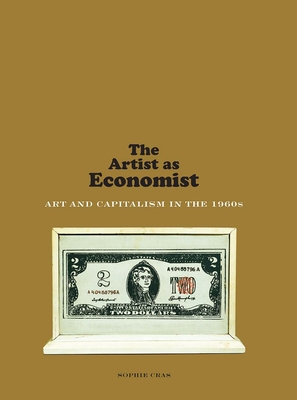
The Artist as Economist – Art and Capitalism in the 1960s
KSh 10,450.00