
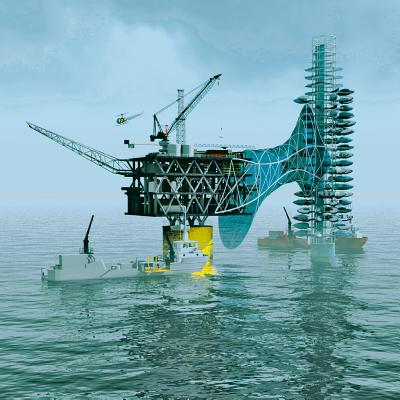
Technology-Driven Design Approaches to Utopia
Book Details
Format
Hardback
ISBN-10
3869050020
ISBN-13
9783869050027
Publisher
Edition Axel Menges
Imprint
Edition Axel Menges
Country of Manufacture
DE
Country of Publication
GB
Publication Date
Apr 1st, 2017
Print length
180 Pages
Weight
672 grams
Dimensions
17.90 x 24.20 x 1.90 cms
Product Classification:
Architectural structure & designArchitectural structure and design
KSh 5,400.00
Currently unavailable
0 in stock
Delivery Location
Delivery fee: Select location
Secure
Quality
Fast
Together with his colleagues and students at the University of Cyprus, Phocas challenges traditional definitions of utopia by presenting us with analytical research and clearly delineated visions of some architectural futures, which defy easy description. Some may view the architecture-diploma projects in this book skeptically as fantastical or even as frightening visions of some technologically driven future, but they are anything but fantasy. They should be appreciated as a continuing creative search for the defining of what is the meaning in our 21st-century world of "utopia" and the role of architectural technology in expressing it. This search takes us beyond the traditional notions of utopia, which have historically been illustrated as overtly romantic, whimsical images along with a plethora of mechanistic formal architectural or architectonic proposals for utopian cities or communities. Some of these utopian visions, which were realized as isolated acts during the first half of the 20th century, in as socio-economically and culturally diverse places such as the United Kingdom, suburban North America or the Indian sub-continent proved to be, once inhabited, less than utopian. In studying the student proposals, one could argue that these architectural visions are derived from an evolution of human technology and an understanding of growth and adaptability in nature. For instance, some of the projects propose new "building blocks" which can be likened to the ancient technology of making bricks and the quarrying and shaping of stone which led to the development of masonry construction and an entire new architecture. Other proposals can be likened to the self-generating growth and renewal process of plant life. Like in nature, we see in the students work proposals for structural systems that grow vertically out of constructed or natural landscapes in a symbiotic relationship with the forces of gravity, wind and sun, while mining these primal forces to enable human habitation. Others appear as in natural growth, as expandable adaptable infrastructure systems intertwined with and serving existing conditions. And yet other proposals are developed as independent systems that are more au-tonomous in their form and function.
Get Technology-Driven Design Approaches to Utopia by Marios C. Phocas at the best price and quality guaranteed only at Werezi Africa's largest book ecommerce store. The book was published by Edition Axel Menges and it has 180 pages.
Customers Who Bought This Also Bought
Architecture – Form, Space, & Order
KSh 8,700.00
In Fine Detail: Perspective
KSh 3,700.00
Islamic Art and Architecture
KSh 3,600.00

Classical Architecture
KSh 8,700.00
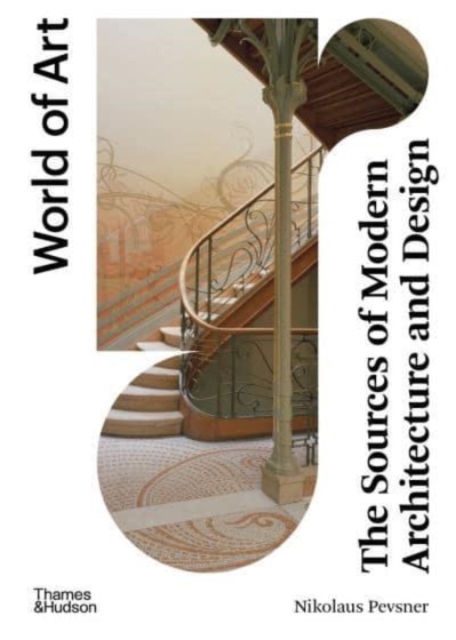
The Sources of Modern Architecture and Design
KSh 3,400.00
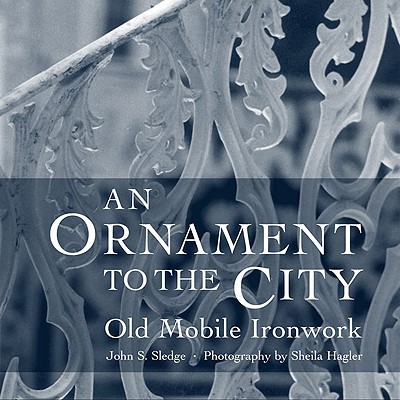
An Ornament to the City
KSh 10,450.00

Frank Lloyd Wright Designs
KSh 18,550.00
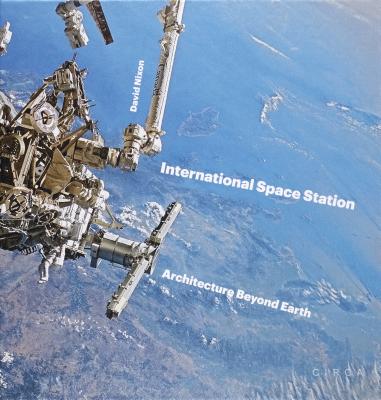
International Space Station
KSh 11,700.00

Colorful Cities
KSh 2,050.00
The Culture Factory
KSh 3,600.00
American Renaissance
KSh 18,700.00

Zürich Primer
KSh 8,900.00
