
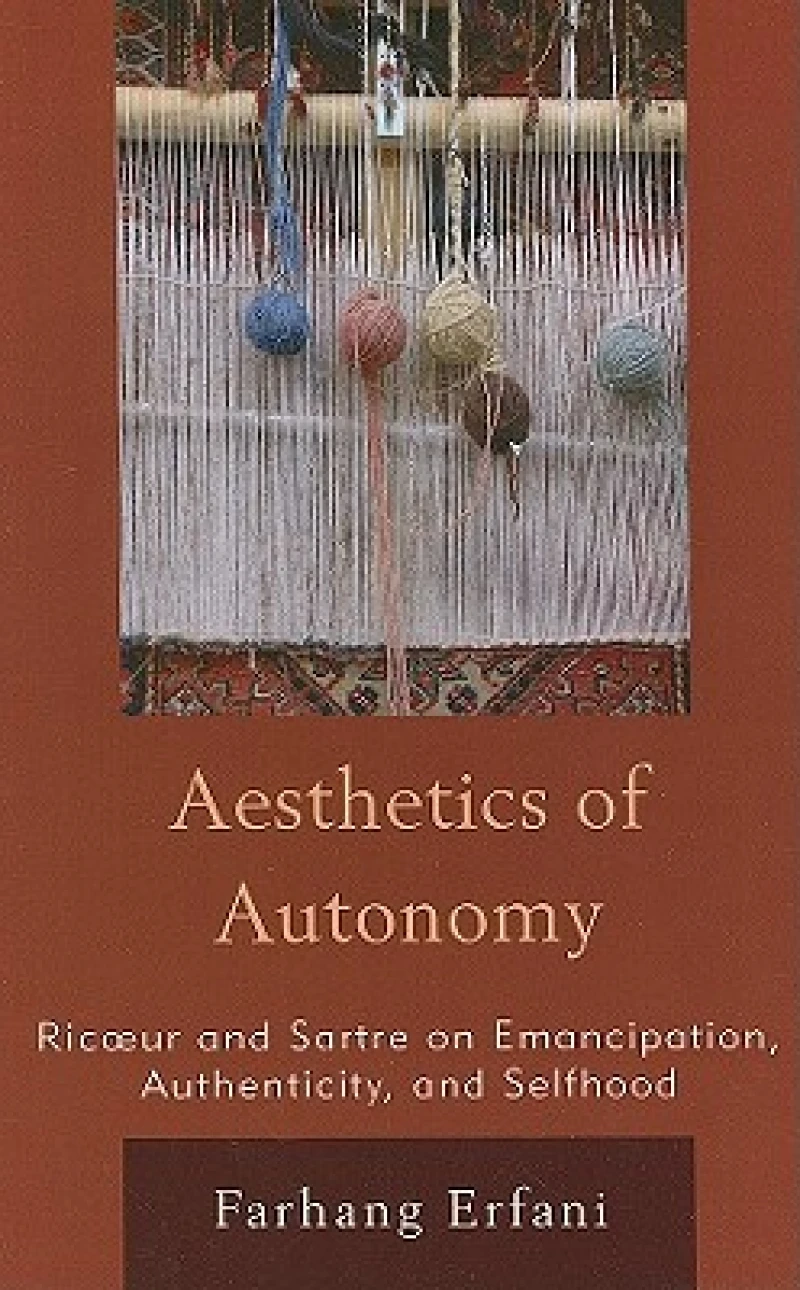
The Aesthetics of Autonomy : Ricoeur and Sartre on Emancipation, Authenticity, and Selfhood
Book Details
Format
Hardback or Cased Book
ISBN-10
0739112589
ISBN-13
9780739112588
Publisher
Bloomsbury Publishing Plc
Imprint
Lexington Books
Country of Manufacture
GB
Country of Publication
GB
Publication Date
Feb 22nd, 2011
Print length
166 Pages
Weight
436 grams
Dimensions
23.10 x 16.70 x 1.50 cms
Product Classification:
Western philosophy, from c 1900 -Social & political philosophy
Ksh 18,300.00
Manufactured on Demand
0 in stock
Delivery Location
Delivery fee: Select location
Secure
Quality
Fast
The Aesthetics of Autonomy: Ricœur and Sartre on Emancipation, Authenticity, and Selfhood argues that, despite their differences, Sartre and Ricœur have a similar goal. While they are both anti-essentialists, they nevertheless advocate for the notions of selfhood and autonomy. Autonomy, for them, is the end result of an aesthetic path. An identity, at the individual or collective level, is created by weaving together contingent threads of the given. In other words, identity is a narrative construct. The first two chapters focus on the respective methods of Sartre and Ricœur. Despite their different emphases, Farhang Erfani argues that they have a similar dialectical method, between the situation and our ability to surpass it for Sartre, and between sedimentation and innovation for Ricœur. The third chapter brings them together and shows how they can complement each other in building a narrative identity at the individual level; Ricœur is helpful in appreciating Sartrean notions of bad faith and authenticity. The fourth and final chapter turns to collective identity; Erfani argues that Ricœur''s notions of ideology and utopia are better complemented with Sartrean political ethics. Erfani advocates for a Sartrean model of "Dark Utopianism" that overcomes the limits of Ricœur''s political philosophy. Reading Sartre and Ricœur together provides for a balanced approach to the question of autonomy that at once pays due attention to the weight of the situation and the past, while opening up the space for change, innovation, and progress. The conclusion, accordingly, applies this thesis to the question of globalization. Both Sartre and Ricœur scholars will be eager to explore and debate the original synthesis presented in The Aesthetics of Autonomy. It also makes contributions to hermeneutics, post-War French philosophy, and philosophy of religion. Finally, given its emphases on politics and aesthetics, the book also places itself within arguments of political theory and literary theory.
The Aesthetics of Autonomy: Ricoeur and Sartre on Emancipation, Authenticity, and Selfhood argues that, despite their differences, Sartre and Ricoeur have a similar goal. While they are both anti-essentialists, they nevertheless advocate for the notions of selfhood and autonomy. Autonomy, for them, is the end result of an aesthetic path. An identity, at the individual or collective level, is created by weaving together contingent threads of the given. In other words, identity is a narrative construct. The first two chapters focus on the respective methods of Sartre and Ricoeur. Despite their different emphases, Farhang Erfani argues that they have a similar dialectical method, between the situation and our ability to surpass it for Sartre, and between sedimentation and innovation for Ricoeur. The third chapter brings them together and shows how they can complement each other in building a narrative identity at the individual level; Ricoeur is helpful in appreciating Sartrean notions of bad faith and authenticity. The fourth and final chapter turns to collective identity; Erfani argues that Ricoeur's notions of ideology and utopia are better complemented with Sartrean political ethics. Erfani advocates for a Sartrean model of "Dark Utopianism" that overcomes the limits of Ricoeur's political philosophy. Reading Sartre and Ricoeur together provides for a balanced approach to the question of autonomy that at once pays due attention to the weight of the situation and the past, while opening up the space for change, innovation, and progress. The conclusion, accordingly, applies this thesis to the question of globalization. Both Sartre and Ricoeur scholars will be eager to explore and debate the original synthesis presented in The Aesthetics of Autonomy. It also makes contributions to hermeneutics, post-War French philosophy, and philosophy of religion. Finally, given its emphases on politics and aesthetics, the book also places itself within arguments of political theory and literary theory.
Get The Aesthetics of Autonomy by at the best price and quality guaranteed only at Werezi Africa's largest book ecommerce store. The book was published by Bloomsbury Publishing Plc and it has pages.

