
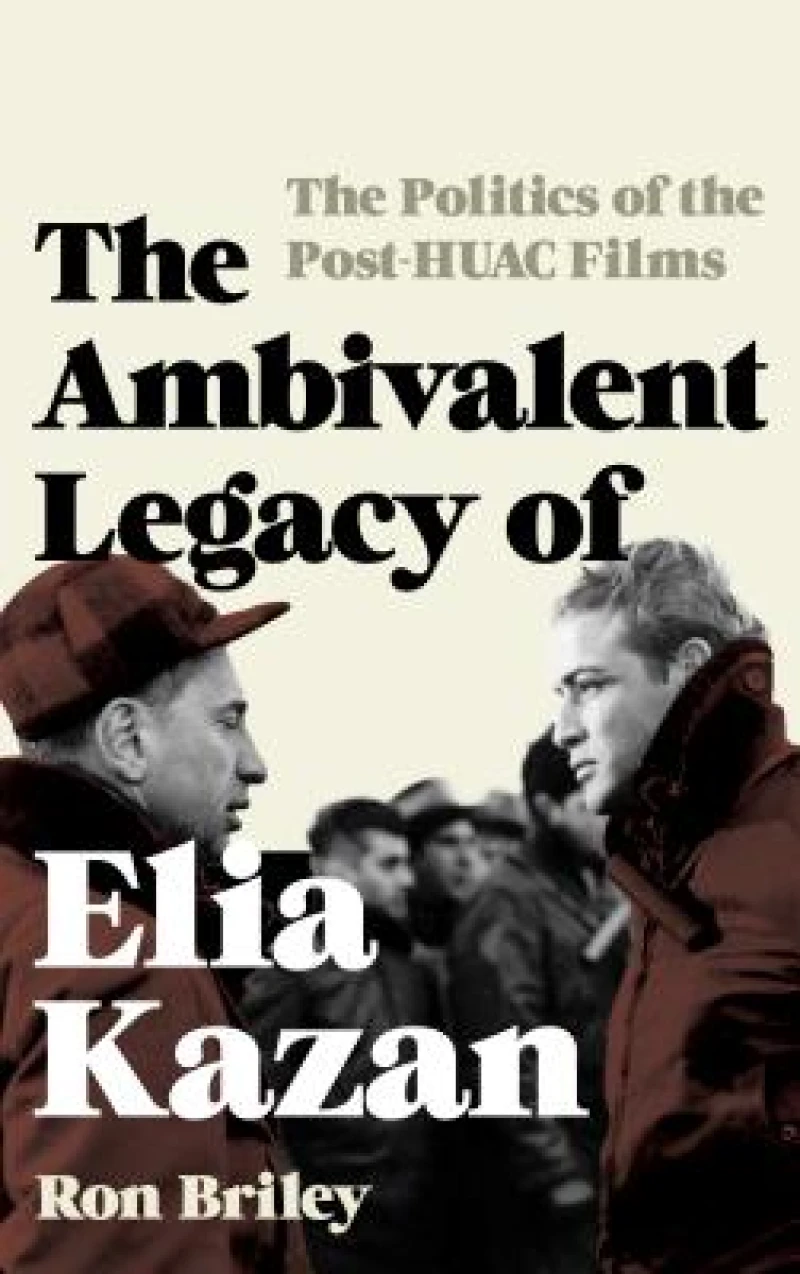
The Ambivalent Legacy of Elia Kazan : The Politics of the Post-HUAC Films
by
Ron Briley
Book Details
Format
Hardback or Cased Book
Book Series
Film and History
ISBN-10
1442271671
ISBN-13
9781442271678
Publisher
Bloomsbury Publishing Plc
Imprint
Rowman & Littlefield Publishers
Country of Manufacture
GB
Country of Publication
GB
Publication Date
Oct 28th, 2016
Print length
276 Pages
Weight
558 grams
Dimensions
16.10 x 23.60 x 2.60 cms
Product Classification:
Film theory & criticismIndividual film directors, film-makers
Ksh 8,100.00
Manufactured on Demand
0 in stock
Delivery Location
Delivery fee: Select location
Secure
Quality
Fast
Elia Kazan first made a name for himself on the Broadway stage, directing productions of such classics as The Skin of Our Teeth, Death of Salesman, and A Streetcar Named Desire. His venture to Hollywood was no less successful. He won an Oscar for only his second film, Gentleman’s Agreement, and his screen version of Streetcar has been hailed as one of the great film adaptations of a staged work. But in 1952, Kazan’s stature was compromised when he was called to testify before the House Un-American Activities Committee (HUAC). Kazan’s decision to name names allowed him to continue his filmmaking career, but at what price to him and the Hollywood community?In The Ambivalent Legacy of Elia Kazan: The Politics of the Post HUAC Films, Ron Briley looks at the work of this unquestionable master of cinema whose testimony against former friends and associates influenced his body of work. By closely examining the films Kazan helmed between 1953 and 1976, Briley suggests that the director’s work during this period reflected his ongoing leftist and progressive political orientation. The films scrutinized in this book include Viva Zapata!, East of Eden, A Face in the Crowd, Splendor in the Grass, America America, The Last Tycoon, and most notably, On the Waterfront, which many critics interpret as an effort to justify his HUAC testimony.In 1999, Kazan was awarded an honorary Oscar that caused considerable division within the Hollywood community, highlighting the lingering effects of the director’s testimony. The blacklist had a lasting impact on those who were named and those who did the naming, and the controversy of the HUAC hearings still resonates today. The Ambivalent Legacy of Elia Kazan will be of interest to historians of postwar America, cinema scholars, and movie fans who want to revisit some of the director’s most significant films in a new light.
Elia Kazan first made a name for himself on the Broadway stage, directing productions of such classics as The Skin of Our Teeth, Death of Salesman, and A Streetcar Named Desire. His venture to Hollywood was no less successful. He won an Oscar for only his second film, Gentleman’s Agreement, and his screen version of Streetcar has been hailed as one of the great film adaptations of a staged work. But in 1952, Kazan’s stature was compromised when he was called to testify before the House Un-American Activities Committee (HUAC). Kazan’s decision to name names allowed him to continue his filmmaking career, but at what price to him and the Hollywood community?In The Ambivalent Legacy of Elia Kazan: The Politics of the Post HUAC Films, Ron Briley looks at the work of this unquestionable master of cinema whose testimony against former friends and associates influenced his body of work. By closely examining the films Kazan helmed between 1953 and 1976, Briley suggests that the director’s work during this period reflected his ongoing leftist and progressive political orientation. The films scrutinized in this book include Viva Zapata!, East of Eden, A Face in the Crowd, Splendor in the Grass, America America, The Last Tycoon, and most notably, On the Waterfront, which many critics interpret as an effort to justify his HUAC testimony. In 1999, Kazan was awarded an honorary Oscar that caused considerable division within the Hollywood community, highlighting the lingering effects of the director’s testimony. The blacklist had a lasting impact on those who were named and those who did the naming, and the controversy of the HUAC hearings still resonates today. The Ambivalent Legacy of Elia Kazan will be of interest to historians of postwar America, cinema scholars, and movie fans who want to revisit some of the director’s most significant films in a new light.
Get The Ambivalent Legacy of Elia Kazan by at the best price and quality guaranteed only at Werezi Africa's largest book ecommerce store. The book was published by Bloomsbury Publishing Plc and it has pages.

