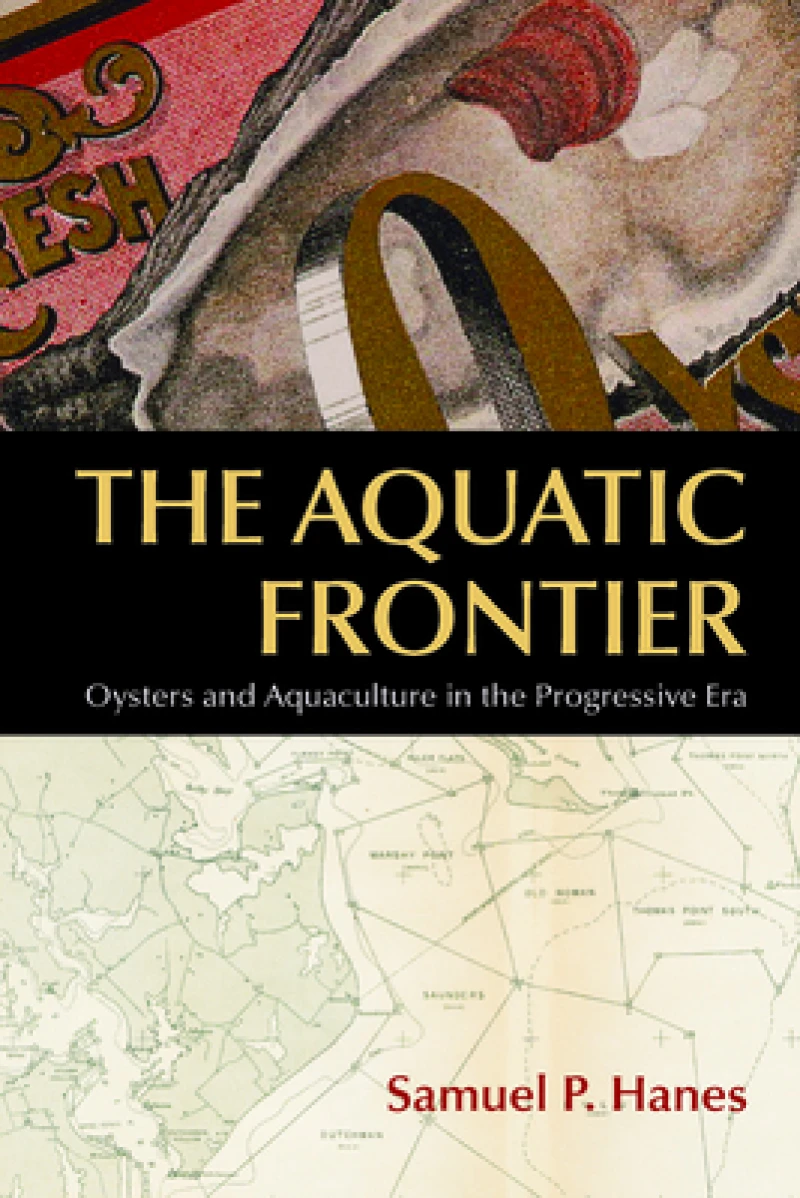
The Aquatic Frontier : Oysters and Aquaculture in the Progressive Era
Book Details
Format
Paperback / Softback
Book Series
Environmental History of the Northeast
ISBN-10
1625344139
ISBN-13
9781625344137
Publisher
University of Massachusetts Press
Imprint
University of Massachusetts Press
Country of Manufacture
US
Country of Publication
GB
Publication Date
May 23rd, 2019
Print length
272 Pages
Weight
379 grams
Dimensions
22.60 x 15.20 x 2.20 cms
Ksh 4,700.00
Temporarily out of stock, due soon
0 in stock
Delivery Location
Delivery fee: Select location
Secure
Quality
Fast
Explores the debate over the protection of the US oyster fishery industry took between 1870 and 1920 in law enforcement, legislative advising, and natural science. Samuel Hanes argues that the effort to centralize and privatize the industry failed due to a lack of understanding of the complex social-ecological systems in place.
Although few remember their former significance, oysters were one of the largest U.S. fisheries at their peak in the late nineteenth century. As the fishery industrialized on-and offshore, oyster farms and canning factories spread along the Eastern Seaboard, with overharvesting becoming increasingly common. During the Progressive Era, state governments founded new agencies to cope with this problem and control this expanding economy. Regulators faced a choice: keep elaborate conservation systems based on common property rights or develop new ones with private, hatchery-stocked aquaculture farms. The tradition-preserving solution won, laying the groundwork for modern oyster management.
The Aquatic Frontier explores the forms this debate took between 1870 and 1920 in law enforcement, legislative advising, natural science, and oyster cartography. Samuel P. Hanes argues that the effort to centralize and privatize the industry failed due to a lack of understanding of the complex social-ecological systems in place - a common dilemma for environmental managers in this time period and for fisheries management confronting dangers from dwindling populations today.
The Aquatic Frontier explores the forms this debate took between 1870 and 1920 in law enforcement, legislative advising, natural science, and oyster cartography. Samuel P. Hanes argues that the effort to centralize and privatize the industry failed due to a lack of understanding of the complex social-ecological systems in place - a common dilemma for environmental managers in this time period and for fisheries management confronting dangers from dwindling populations today.
Get The Aquatic Frontier by at the best price and quality guaranteed only at Werezi Africa's largest book ecommerce store. The book was published by University of Massachusetts Press and it has pages.