
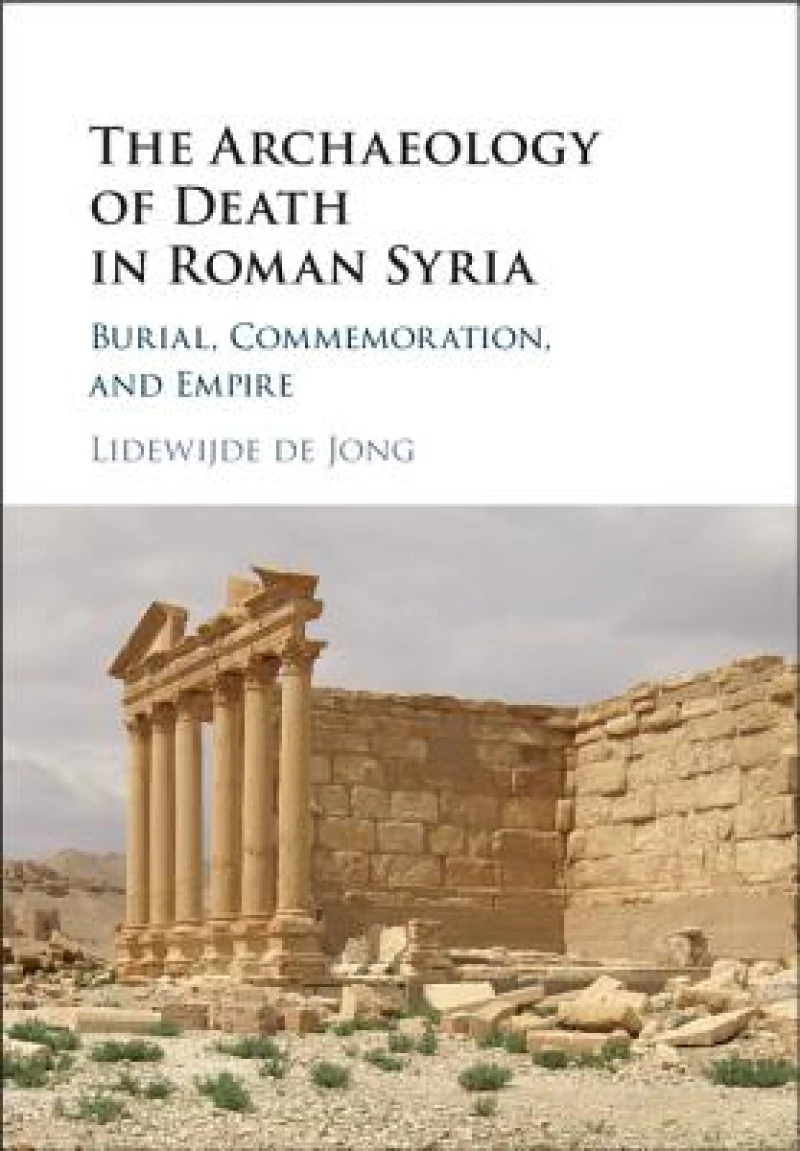
The Archaeology of Death in Roman Syria : Burial, Commemoration, and Empire
Book Details
Format
Hardback or Cased Book
ISBN-10
1107131413
ISBN-13
9781107131415
Publisher
Cambridge University Press
Imprint
Cambridge University Press
Country of Manufacture
GB
Country of Publication
GB
Publication Date
Jul 20th, 2017
Print length
382 Pages
Weight
950 grams
Dimensions
18.70 x 26.10 x 2.20 cms
Ksh 20,500.00
Manufactured on Demand
0 in stock
Delivery Location
Delivery fee: Select location
Secure
Quality
Fast
This book is the first all-inclusive overview of the archaeology of death in Roman Syria, and combines spatial analysis of cemeteries with the study of funerary architecture, decoration, and grave goods, as well as information about the deceased provided by sculptural, epigraphic, and osteological sources.
In the first centuries of the Common Era, an eclectic collection of plain and embellished underground and aboveground tombs filled the cemeteries of the Roman province of Syria. Its inhabitants used rituals of commemoration to express messages about their local identity, family, and social position, while simultaneously ensuring that the deceased was given proper burial rites. In this book, Lidewijde de Jong investigates these customs and the belief systems that governed the choices made in the commemoration of Syrian men, women and children. Presenting the first all-inclusive overview of the archaeology of death in Roman Syria, this book combines spatial analysis of cemeteries with the study of funerary architecture, decoration, and grave goods, as well as information about the deceased provided by sculptural, epigraphic, and osteological sources. It sheds a new light on life and death in Syria and offers a novel way of understanding provincial culture in the Roman Empire.
Get The Archaeology of Death in Roman Syria by at the best price and quality guaranteed only at Werezi Africa's largest book ecommerce store. The book was published by Cambridge University Press and it has pages.

