
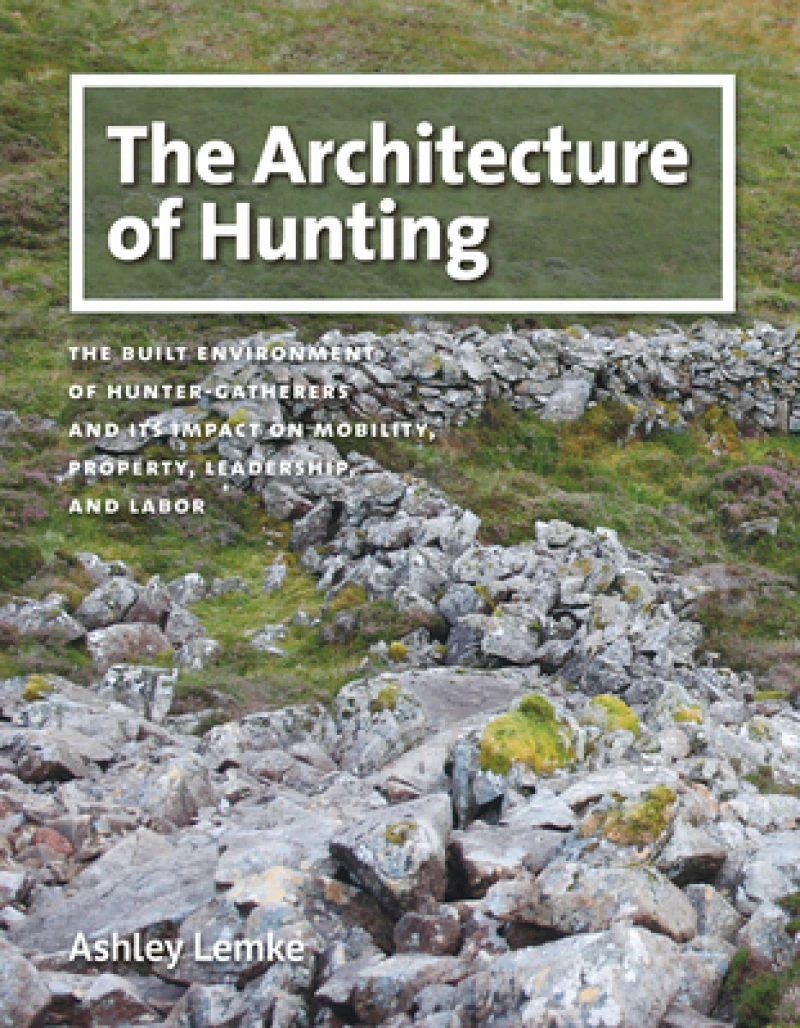
The Architecture of Hunting : The Built Environment of Hunter-Gatherers and Its Impact on Mobility, Property, Leadership, and Labor
Book Details
Delivery Location
Delivery fee: Select location
Combining underwater archaeology, terrestrial archaeology, and ethnographic and historical research, The Architecture of Hunting investigates the creation and use of hunting architecture by hunter-gatherers. Hunting architecture-including blinds, drive lanes, and fishing weirs-is a global phenomenon found across a broad spectrum of cultures, time, geography, and environments. Relying on similar behaviors in species such as caribou, bison, guanacos, antelope, and gazelles, cultures as diverse as Sami reindeer herders, the Inka, and ancient bison hunters on the North American plains have employed such structures, combined with strategically situated landforms, to ensure adequate food supplies while maintaining a nomadic way of life.
Using examples of hunting architecture from across the globe and how they influence forager mobility, territoriality, property, leadership, and labor aggregation, Ashley Lemke explores this architecture as a form of human niche construction and considers the myriad ways such built structures affect hunter-gatherer lifeways. Bringing together diverse sources under the single category of 'hunting architecture,' The Architecture of Hunting serves as the new standard guide for anyone interested in hunter-gatherers and their built environment.
Get The Architecture of Hunting by at the best price and quality guaranteed only at Werezi Africa's largest book ecommerce store. The book was published by Texas A & M University Press and it has pages.

