
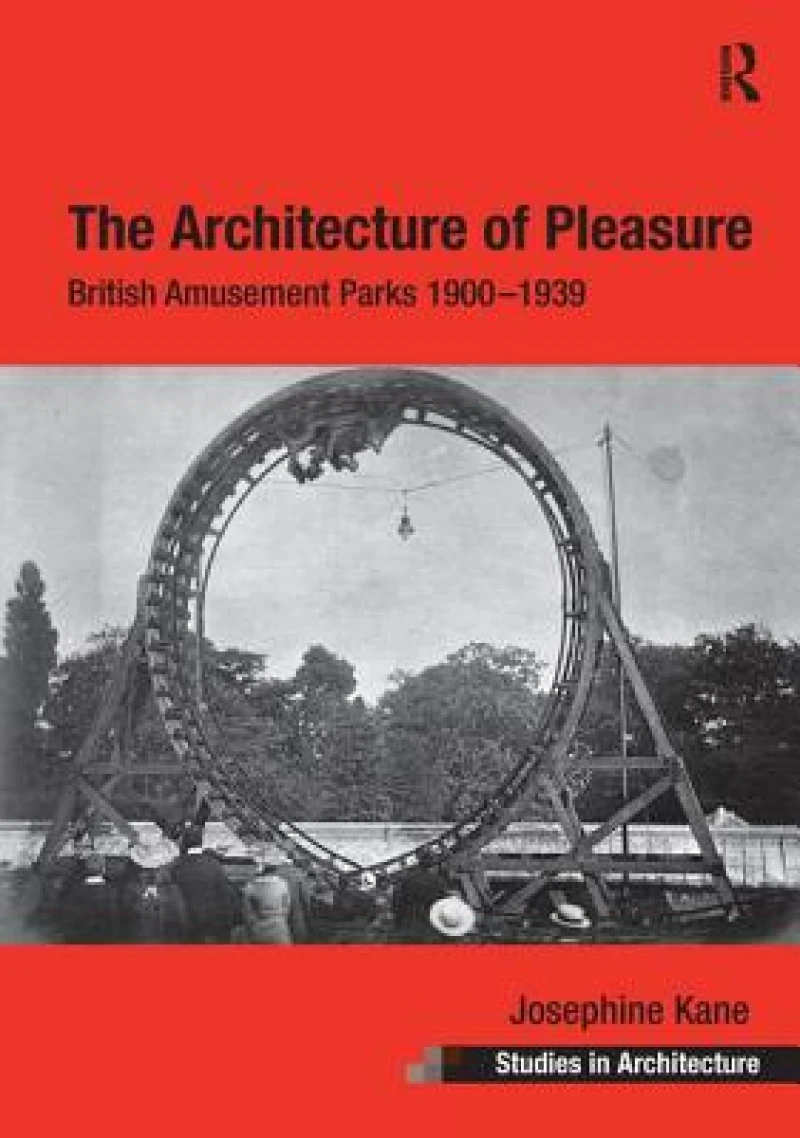
The Architecture of Pleasure : British Amusement Parks 1900–1939
Book Details
Format
Paperback / Softback
Book Series
Ashgate Studies in Architecture
ISBN-10
1138269565
ISBN-13
9781138269569
Publisher
Taylor & Francis Ltd
Imprint
Routledge
Country of Manufacture
GB
Country of Publication
GB
Publication Date
Aug 26th, 2016
Print length
284 Pages
Weight
496 grams
Dimensions
17.40 x 24.40 x 1.70 cms
Ksh 10,100.00
Werezi Extended Catalogue
0 in stock
Delivery Location
Delivery fee: Select location
Secure
Quality
Fast
The amusement parks which first appeared in England at the turn of the twentieth century represent a startlingly novel and complex phenomenon, combining fantasy architecture, new technology, ersatz danger, spectacle and consumption in a new mass experience. Though drawing on a diverse range of existing leisure practices, the particular entertainment formula they offered marked a radical departure in terms of visual, experiential and cultural meanings. The huge, socially mixed crowds that flocked to the new parks did so purely in the pursuit of pleasure, which the amusement parks commodified in exhilarating new guises. Between 1906 and 1939, nearly 40 major amusement parks operated across Britain. By the outbreak of the Second World War, millions of people visited these sites each year. The amusement park had become a defining element in the architectural psychological pleasurescape of Britain. This book considers the relationship between popular modernity, pleasure and the amusement park landscape in Britain from 1900-1939. It argues that the amusement parks were understood as a new and distinct expression of modern times which redefined the concept of public pleasure for mass audiences. Focusing on three sites - Blackpool Pleasure Beach, Dreamland in Margate and Southend''s Kursaal - the book contextualises their development with references to the wider amusement park world. The meanings of these sites are explored through a detailed examination of the spatial and architectural form taken by rides and other buildings. The rollercoaster - a defining symbol of the amusement park - is given particular focus, as is the extent to which discourses of class, gender and national identity were expressed through the design of these parks.
Get The Architecture of Pleasure by at the best price and quality guaranteed only at Werezi Africa's largest book ecommerce store. The book was published by Taylor & Francis Ltd and it has pages.

