
The ''Baby Dolls'' : Breaking the Race and Gender Barriers of the New Orleans Mardi Gras Tradition
Book Details
Format
Paperback / Softback
ISBN-10
0807150703
ISBN-13
9780807150702
Publisher
Louisiana State University Press
Imprint
Louisiana State University Press
Country of Manufacture
US
Country of Publication
GB
Publication Date
Jan 18th, 2013
Print length
216 Pages
Weight
295 grams
Dimensions
23.10 x 15.20 x 1.50 cms
Ksh 5,400.00
Werezi Extended Catalogue
0 in stock
Delivery Location
Delivery fee: Select location
Secure
Quality
Fast
One of the first women's organisations to “mask” in a Mardi Gras parade, the “Million Dollar Baby Dolls” redefined the New Orleans carnival tradition. Tracing their origins from Storyville brothels to post-Katrina New Orleans, Kim Vaz uncovers the fascinating history of these ladies that strutted their way into a predominantly male establishment.
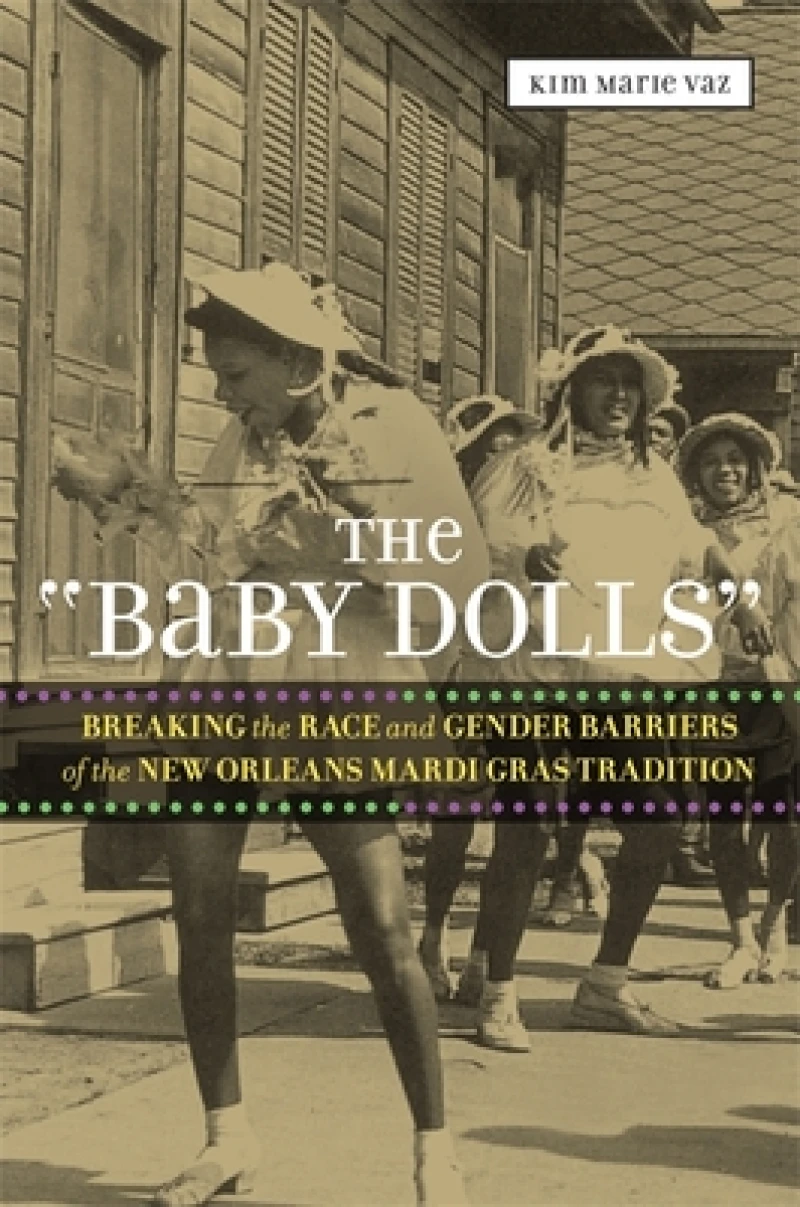
One of the first women's organizations to ""mask"" in a Mardi Gras parade, the ""Million Dollar Baby Dolls"" redefined the New Orleans carnival tradition. Tracing their origins from Storyville brothels and dance halls to their re-emergence in post-Katrina New Orleans, author Kim Vaz uncovers the fascinating history of the ""raddy-walking, shake-dancing, cigar-smoking, money-flinging"" ladies that strutted their way into a predominantly male establishment.
The Baby Dolls formed around 1912 as an organization for African American women who used their profits from working in New Orleans's red-light district to compete with other black women in their profession on Mardi Gras. Part of this competition involved the tradition of masking in which carnival groups create a collective identity through costuming. Their baby doll costumes- short satin dresses, stockings with garters, and bonnets- set against their bold and provocative public behavior not only exploited stereotypes but also empowered and made visible an otherwise marginalized demographic of women.
In addition to their subversive presence at Mardi Gras, the Baby Dolls helped shape the sound of jazz in the city. The Baby Dolls often worked in and patronized dance halls and honky-tonks, where they introduced new dance steps and challenged house musicians to keep up the beat. The entrepreneurial Baby Dolls also sponsored dances with live jazz bands, effectively underwriting the advancement of an art form now inseparable from New Orleans's identity.
Over time, the Baby Doll's members diverged as different neighborhoods adopted the tradition. Groups such as the Golden Slipper Club, the Gold Diggers, the Rosebud Social and Pleasure Club, and the Satin Sinners stirred the creative imagination of middle-class Black women and men across New Orleans, from the downtown Tremé area to the uptown community of Mahalia Jackson.
Vaz follows the Baby Doll phenomenon through one hundred years of photos, articles, and interviews to conclude with the birth of contemporary groups such as the modern day Antoinette K-Doe's Ernie K-Doe Baby Dolls, the New Orleans Society of Dance's Baby Doll Ladies, and the Tremé Million Dollar Baby Dolls. Her book celebrates these organizations' crucial contribution to Louisiana's cultural history.
The Baby Dolls formed around 1912 as an organization for African American women who used their profits from working in New Orleans's red-light district to compete with other black women in their profession on Mardi Gras. Part of this competition involved the tradition of masking in which carnival groups create a collective identity through costuming. Their baby doll costumes- short satin dresses, stockings with garters, and bonnets- set against their bold and provocative public behavior not only exploited stereotypes but also empowered and made visible an otherwise marginalized demographic of women.
In addition to their subversive presence at Mardi Gras, the Baby Dolls helped shape the sound of jazz in the city. The Baby Dolls often worked in and patronized dance halls and honky-tonks, where they introduced new dance steps and challenged house musicians to keep up the beat. The entrepreneurial Baby Dolls also sponsored dances with live jazz bands, effectively underwriting the advancement of an art form now inseparable from New Orleans's identity.
Over time, the Baby Doll's members diverged as different neighborhoods adopted the tradition. Groups such as the Golden Slipper Club, the Gold Diggers, the Rosebud Social and Pleasure Club, and the Satin Sinners stirred the creative imagination of middle-class Black women and men across New Orleans, from the downtown Tremé area to the uptown community of Mahalia Jackson.
Vaz follows the Baby Doll phenomenon through one hundred years of photos, articles, and interviews to conclude with the birth of contemporary groups such as the modern day Antoinette K-Doe's Ernie K-Doe Baby Dolls, the New Orleans Society of Dance's Baby Doll Ladies, and the Tremé Million Dollar Baby Dolls. Her book celebrates these organizations' crucial contribution to Louisiana's cultural history.
Get The ''Baby Dolls'' by at the best price and quality guaranteed only at Werezi Africa's largest book ecommerce store. The book was published by Louisiana State University Press and it has pages.

