
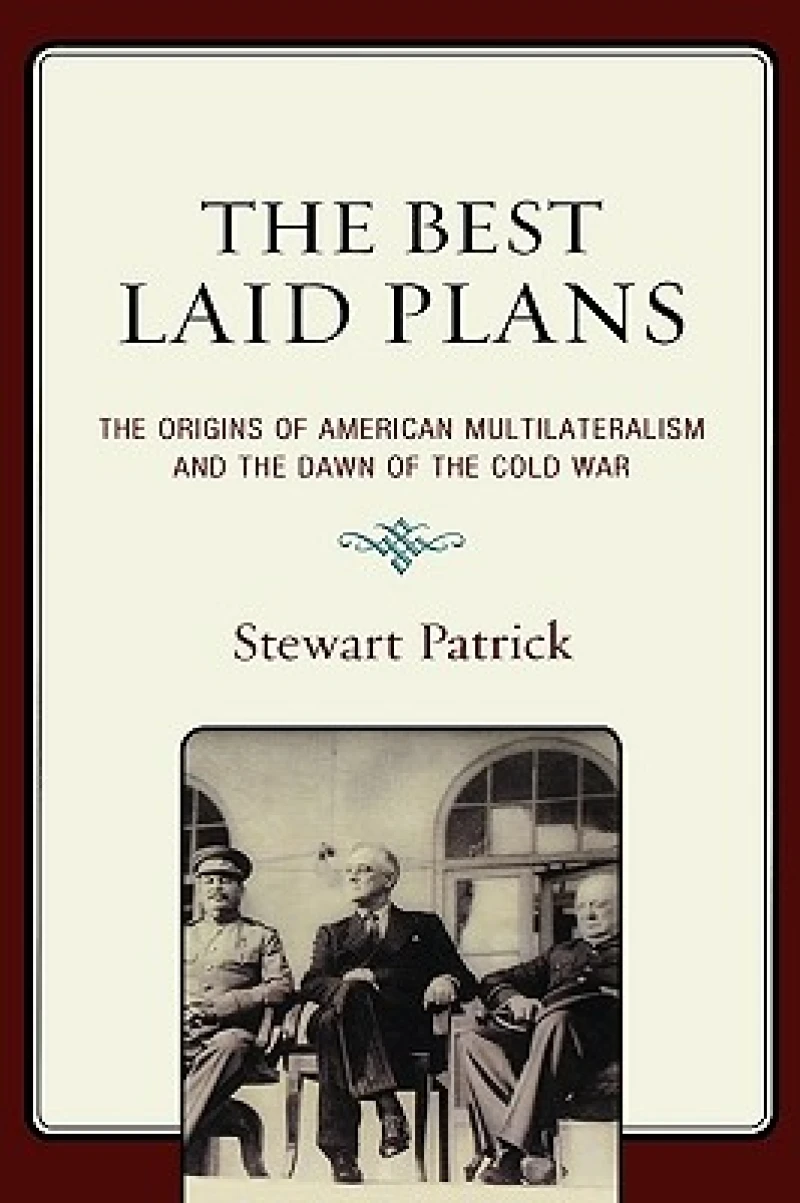
The Best Laid Plans : The Origins of American Multilateralism and the Dawn of the Cold War
Book Details
Format
Hardback or Cased Book
ISBN-10
0742562980
ISBN-13
9780742562981
Publisher
Bloomsbury Publishing Plc
Imprint
Rowman & Littlefield Publishers
Country of Manufacture
GB
Country of Publication
GB
Publication Date
Dec 12th, 2008
Print length
412 Pages
Weight
758 grams
Dimensions
15.80 x 23.70 x 3.40 cms
Product Classification:
Diplomacy
Ksh 10,800.00
Manufactured on Demand
0 in stock
Delivery Location
Delivery fee: Select location
Secure
Quality
Fast
The long-standing, but unresolved debate of the virtues and values of multilateralism vs. unilateralism in American foreign policy is critically important in today's complicated world. To understand the history of each approach is to understand their opportunities and challenges for the future. The Best Laid Plans answers two central questions. First, why did the United States embrace the principles and practices of liberal multilateralism during World War II? Second, why did it cling to this vision of world order despite the outbreak of the Cold War in the late 1940s, as the "One World" that had been anticipated by U.S. postwar planners split into two rival global camps? The book contends that neither the U.S. turn to liberal multilateralism nor the persistence of this orientation during the Cold War can be attributed solely or even primarily to the global power structure or crude considerations of material self interest. Rather, Stewart Patrick argues that a combination of enduring identity commitments and new ideas, based on the lessons of recent, cataclysmic events, shaped the policy preferences of American central decision-makers in the Roosevelt and Truman administrations. Although the book is steeped in history, its conclusions have tremendous relevance for the contemporary era, when the United States once again finds itself at the apex of world power, and debates are rife about the role of multilateral cooperation in the realization of U.S. foreign policy objectives.
The long-standing, but unresolved debate of the virtues and values of multilateralism vs. unilateralism in American foreign policy is critically important in today''s complicated world. To understand the history of each approach is to understand their opportunities and challenges for the future. The Best Laid Plans answers two central questions. First, why did the United States embrace the principles and practices of liberal multilateralism during World War II? Second, why did it cling to this vision of world order despite the outbreak of the Cold War in the late 1940s, as the "One World" that had been anticipated by U.S. postwar planners split into two rival global camps? The book contends that neither the U.S. turn to liberal multilateralism nor the persistence of this orientation during the Cold War can be attributed solely or even primarily to the global power structure or crude considerations of material self interest. Rather, Stewart Patrick argues that a combination of enduring identity commitments and new ideas, based on the lessons of recent, cataclysmic events, shaped the policy preferences of American central decision-makers in the Roosevelt and Truman administrations. Although the book is steeped in history, its conclusions have tremendous relevance for the contemporary era, when the United States once again finds itself at the apex of world power, and debates are rife about the role of multilateral cooperation in the realization of U.S. foreign policy objectives.
Get The Best Laid Plans by at the best price and quality guaranteed only at Werezi Africa's largest book ecommerce store. The book was published by Bloomsbury Publishing Plc and it has pages.

