
Book Details
Format
Paperback / Softback
Book Series
Biology of Habitats Series
ISBN-10
0199603006
ISBN-13
9780199603008
Edition
2 Revised edition
Publisher
Oxford University Press
Imprint
Oxford University Press
Country of Manufacture
GB
Country of Publication
GB
Publication Date
Jul 18th, 2013
Print length
398 Pages
Weight
606 grams
Dimensions
15.80 x 23.20 x 2.10 cms
Product Classification:
Plant ecologyAnimal ecologyWetlands, swamps, fensConservation of wildlife & habitats
Ksh 14,200.00
Manufactured on Demand
0 in stock
Delivery Location
Delivery fee: Select location
Secure
Quality
Fast
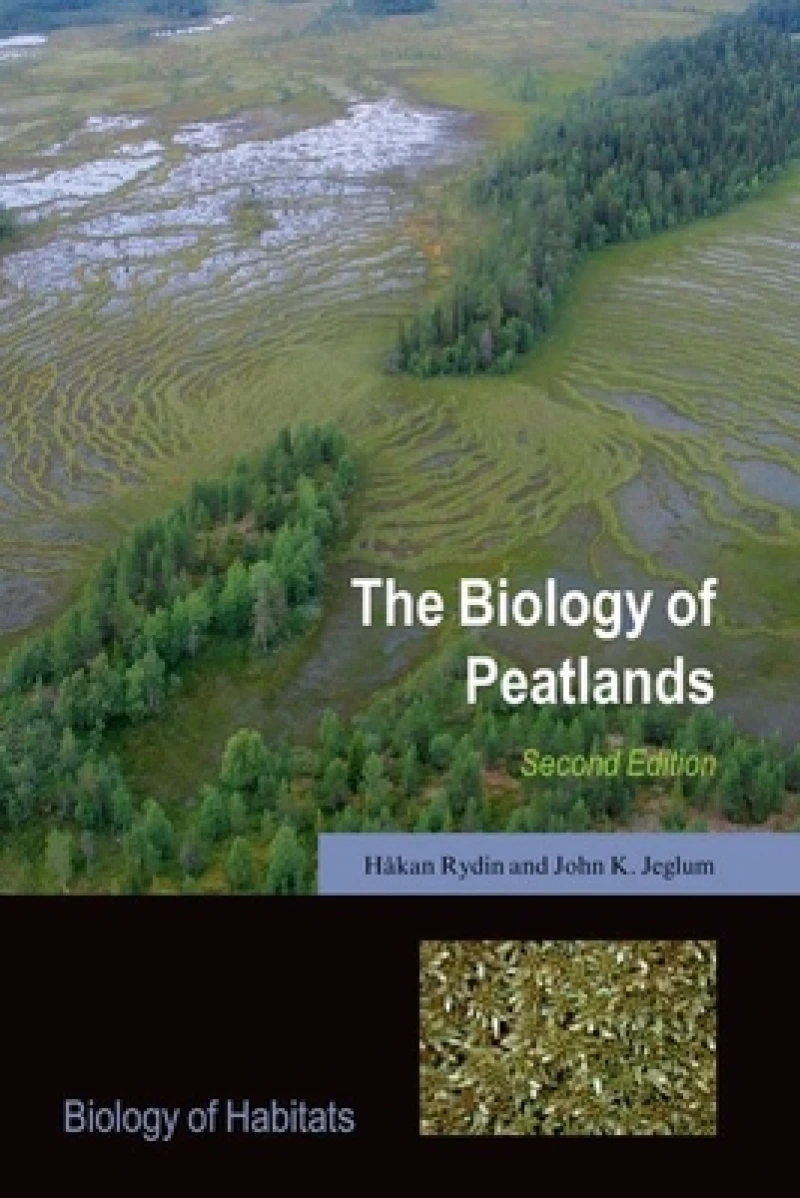
This book provides a comprehensive and up to date overview of peatland ecosystems. It examines the entire range of biota present in this habitat and considers management, conservation, and restoration issues.
Peatlands form important landscape elements in many parts of the world and play significant roles for biodiversity and global carbon balance. This new edition has been fully revised and updated, documenting the latest advances in areas such as microbial processes and relations between biological processes and hydrology. As well as thoroughly referencing the latest research, the authors expose a rich older literature where an immense repository of natural history has accumulated. The Biology of Peatlands starts with an overview of the main peatland types (marsh, swamp, fen, and bog), before examining the entire range of biota present (microbes, invertebrates, plants, and vertebrates), together with their specific adaptations to peatland habitats. Detailed coverage is devoted to the genus Sphagnum, the most important functional plant group in northern peatlands, although tropical and southern hemisphere peatlands are also covered. Throughout the book the interactions between organisms and environmental conditions (especially wetness, availability of oxygen, and pH) are emphasized, with chapters on the physical and chemical characteristics of peat, the role of peat as an archive of past vegetation and climate, and peatland succession and development. Several other key factors and processes are then examined, including hydrology and nutrient cycling. The fascinating peatland landforms in different parts of the world are described, together with theories on how they have developed. Human interactions with peatlands are considered in terms of management, conservation, and restoration. A final chapter, new to this edition, focuses on the role of peatlands as sources or sinks for the greenhouse gases carbon dioxide and methane, and the influences of climate change on peatlands.This timely and accessible text is suitable for students and researchers of peatland ecology, as well as providing an authoritative overview for professional ecologists and conservation biologists.
Get The Biology of Peatlands, 2e by at the best price and quality guaranteed only at Werezi Africa's largest book ecommerce store. The book was published by Oxford University Press and it has pages.

