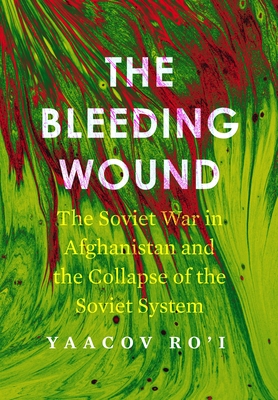
The Bleeding Wound : The Soviet War in Afghanistan and the Collapse of the Soviet System
New
by
Yaacov Ro'i
Book Details
Format
Hardback
Book Series
Cold War International History Project
ISBN-10
1503628744
ISBN-13
9781503628748
Edition
New
Publisher
Stanford University Press
Imprint
Stanford University Press
Country of Manufacture
US
Country of Publication
GB
Publication Date
Mar 15th, 2022
Print length
277 Pages
Weight
782 grams
Dimensions
15.90 x 23.80 x 3.10 cms
Product Classification:
General & world historyEuropean historyAsian historyMilitary historyWarfare & defence
KSh 12,050.00
Temporarily out of stock, due soon
0 in stock
Delivery Location
Delivery fee: Select location
Secure
Quality
Fast
By the mid-1980s, public opinion in the USSR had begun to turn against Soviet involvement in Afghanistan: the Soviet–Afghan War (1979–1989) had become a long, painful, and unwinnable conflict, one that Mikhail Gorbachev referred to as a "bleeding wound" in a 1986 speech. The eventual decision to withdraw Soviet troops from Afghanistan created a devastating ripple effect within Soviet society that, this book argues, became a major factor in the collapse of the Soviet Union. In this comprehensive survey of the effects of the war on Soviet society and politics, Yaacov Ro'i analyzes the opinions of Soviet citizens on a host of issues connected with the war and documents the systemic change that would occur when Soviet leadership took public opinion into account. The war and the difficulties that the returning veterans faced undermined the self-esteem and prestige of the Soviet armed forces and provided ample ammunition for media correspondents who sought to challenge the norms of the Soviet system. Through extensive analysis of Soviet newspapers and interviews conducted with Soviet war veterans and regular citizens in the early 1990s, Ro'i argues that the effects of the war precipitated processes that would reveal the inbuilt limitations of the Soviet body politic and contribute to the dissolution of the USSR by 1991.
Get The Bleeding Wound by Yaacov Ro'i at the best price and quality guaranteed only at Werezi Africa's largest book ecommerce store. The book was published by Stanford University Press and it has 277 pages.
Customers Who Bought This Also Bought
A Modern History of the Somali
KSh 5,300.00
Sapiens
KSh 2,350.00

Rise Fall Great Powers
KSh 3,050.00

Legacy of Violence
KSh 3,150.00
Chip War
KSh 2,000.00
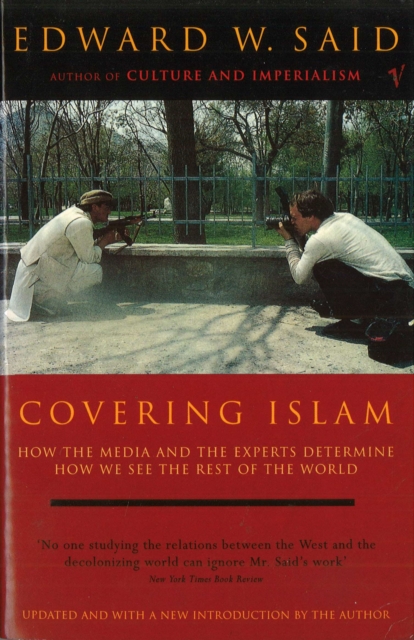
Covering Islam
KSh 2,350.00
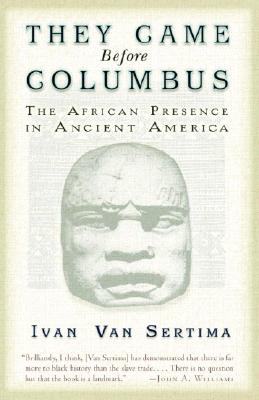
They Came Before Columbus
KSh 3,400.00

Hiroshima
KSh 2,000.00
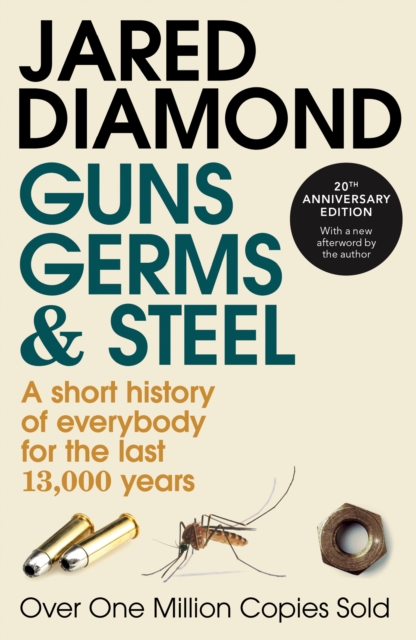
Guns, Germs and Steel
KSh 2,400.00

Silk Roads
KSh 3,050.00

Empire
KSh 2,700.00

Strategy
KSh 4,350.00