
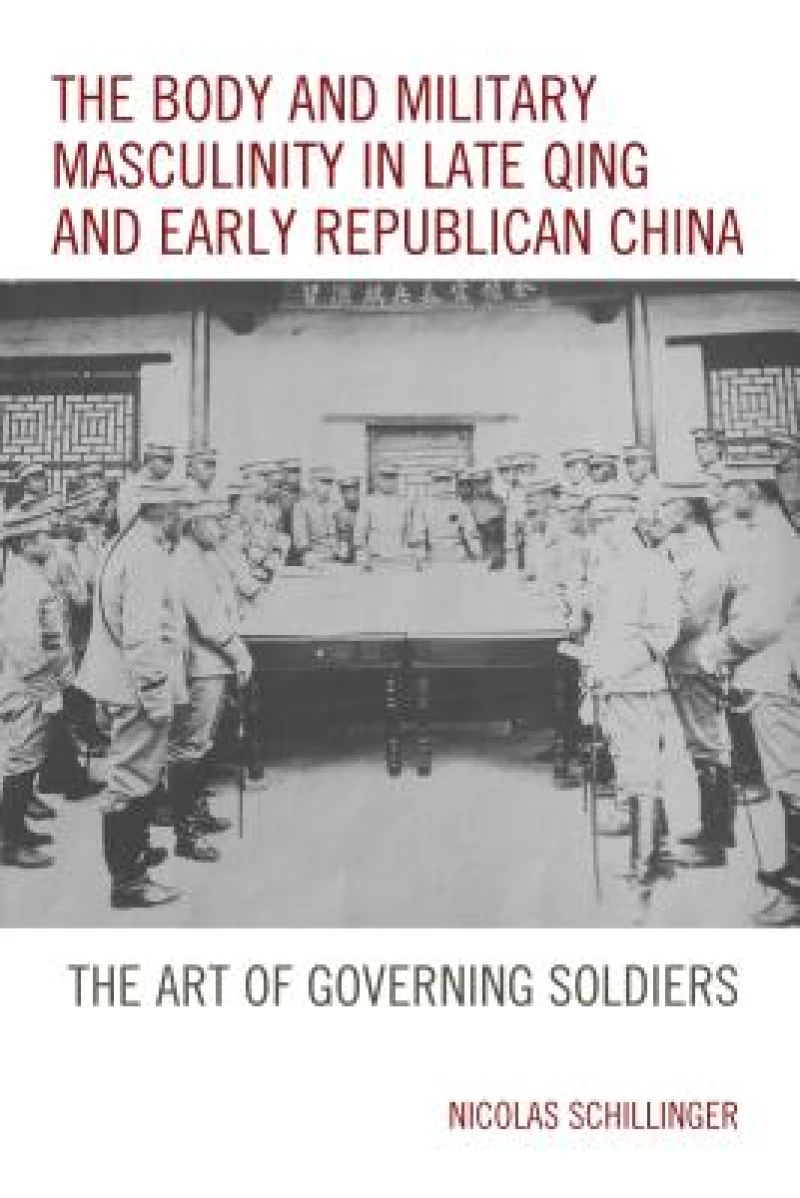
The Body and Military Masculinity in Late Qing and Early Republican China : The Art of Governing Soldiers
Book Details
Format
Hardback or Cased Book
ISBN-10
1498531687
ISBN-13
9781498531689
Publisher
Bloomsbury Publishing Plc
Imprint
Lexington Books
Country of Manufacture
GB
Country of Publication
GB
Publication Date
Dec 12th, 2016
Print length
428 Pages
Weight
792 grams
Dimensions
16.00 x 23.60 x 3.00 cms
Ksh 21,650.00
Manufactured on Demand
0 in stock
Delivery Location
Delivery fee: Select location
Secure
Quality
Fast
This study examines the cultural effects of China’s adoption of a European military model in the late nineteenth and early twentieth centuries. It argues that there was a conceptual reconfiguration of Chinese masculinity and citizenship and focuses on how the body was conceived, shaped by physical fitness and medical practices, and controlled.
In 1894–1895, after suffering defeat against Japan in a war primarily fought over the control of Korea, the Qing government initiated fundamental military reforms and established “New Armies“ modeled after the German and Japanese military. Besides reorganizing the structure of the army and improving military training, the goal was to overcome the alleged physical weakness and lack of martial spirit attributed to Chinese soldiers in particular and to Chinese men in general. Intellectuals, government officials, and military circles criticized the pacifist and civil orientation of Chinese culture, which had resulted in a negative attitude towards its armed forces and martial values throughout society and a lack of interest in martial deeds, glory on the battlefield, and military achievements among men. The book examines the cultivation of new soldiers, officers, and civilians through new techniques intended to discipline their bodies and reconfigure their identities as military men and citizens. The book shows how the establishment of German-style “New Armies” in China between 1895 and 1916 led to the re‐creation of a militarized version of masculinity that stressed physical strength, discipline, professionalism, martial spirit, and “Western” military appearance and conduct. Although the military reforms did not prevent the downfall of the Qing Dynasty or provide stable military clout to subsequent regimes, they left a lasting legacy by reconfiguring Chinese military culture and re‐creating military masculinity and the image of men in China.
Get The Body and Military Masculinity in Late Qing and Early Republican China by at the best price and quality guaranteed only at Werezi Africa's largest book ecommerce store. The book was published by Bloomsbury Publishing Plc and it has pages.

