
Cart 0
The British Army in Mesopotamia, 1914-1918
Click to zoom

Share this book

The British Army in Mesopotamia, 1914-1918

Book Details

Format Paperback / Softback
ISBN-10 0786470496
ISBN-13 9780786470495
Publisher McFarland & Co Inc
Imprint McFarland & Co Inc
Country of Manufacture US
Country of Publication GB
Publication Date Aug 9th, 2013
Print length 212 Pages
Weight 528 grams
Dimensions 27.80 x 22.10 x 1.30 cms
Ksh 7,400.00
Re-Printing

Delivery Location

Delivery fee: Select location

Secure
Quality
Fast
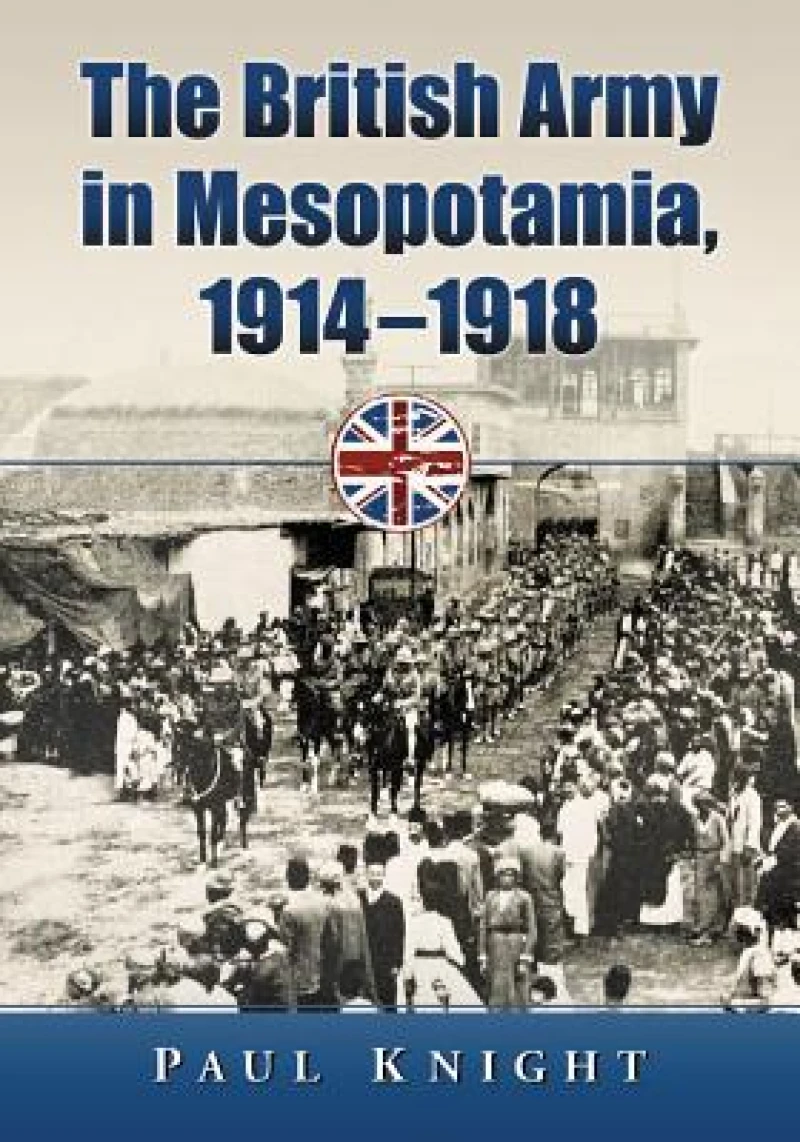
When war broke out between the British and Turkish empires in 1914, the 6th (Poona) Division sailed from India to Basra to bolster Britain's allies, deny the port to enemy shipping, and secure Britain's Persian oil supplies. Further expansion followed: the capture of Al-Amara was the British Army's greatest victory of 1915. When an advance on Baghdad was repulsed, the Siege of Kut became the British Army's longest siege and greatest surrender. Attempts to relieve Kut led to unsuccessful battles that were bloody and muddy even by Western Front standards. Under new leadership, revitalized and reinforced, the British avenged their defeat when Baghdad was captured in March 1917. Thereafter, the British Empire committed, in campaigns of limited value to the overall war effort, huge levels of manpower and materiel desperately needed elsewhere. What was created was modern Iraq and the first Arab government in Baghdad in over 400 years. This detailed history places the campaign in context of Allied operations in the Middle East and sheds light on several unsung heroes of the war, including General Charles Townshend whose spectacular 1915 victories led to humiliating defeat and captivity in 1916; General Frederick Stanley Maude whose March 1917 entry into Baghdad preceded General Allenby's entry into Jerusalem by eight months; and Miss Gertrude Bell, a "female Lawrence of Arabia" who played a central role in the creation of the new Iraqi state.

When war broke out between the British and Turkish empires in 1914, the 6th (Poona) Division sailed from India to Basra to bolster Britain''s allies, deny the port to enemy shipping, and secure Britain''s Persian oil supplies. Further expansion followed: the capture of Al-Amara was the British Army''s greatest victory of 1915. When an advance on Baghdad was repulsed, the Siege of Kut became the British Army''s longest siege and greatest surrender. Attempts to relieve Kut led to unsuccessful battles that were bloody and muddy even by Western Front standards. Under new leadership, revitalized and reinforced, the British avenged their defeat when Baghdad was captured in March 1917. Thereafter, the British Empire committed, in campaigns of limited value to the overall war effort, huge levels of manpower and materiel desperately needed elsewhere. What was created was modern Iraq and the first Arab government in Baghdad in over 400 years.

This detailed history places the campaign in context of Allied operations in the Middle East and sheds light on several unsung heroes of the war, including General Charles Townshend whose spectacular 1915 victories led to humiliating defeat and captivity in 1916; General Frederick Stanley Maude whose March 1917 entry into Baghdad preceded General Allenby''s entry into Jerusalem by eight months; and Miss Gertrude Bell, a "female Lawrence of Arabia" who played a central role in the creation of the new Iraqi state.


Get The British Army in Mesopotamia, 1914-1918 by at the best price and quality guaranteed only at Werezi Africa's largest book ecommerce store. The book was published by McFarland & Co Inc and it has pages.


Mind, Body, & Spirit

Shopping Cart

Africa largest book store

Sub Total:
Ebooks

Digital Library
Coming Soon

Our digital collection is currently being curated to ensure the best possible reading experience on Werezi. We'll be launching our Ebooks platform shortly.