
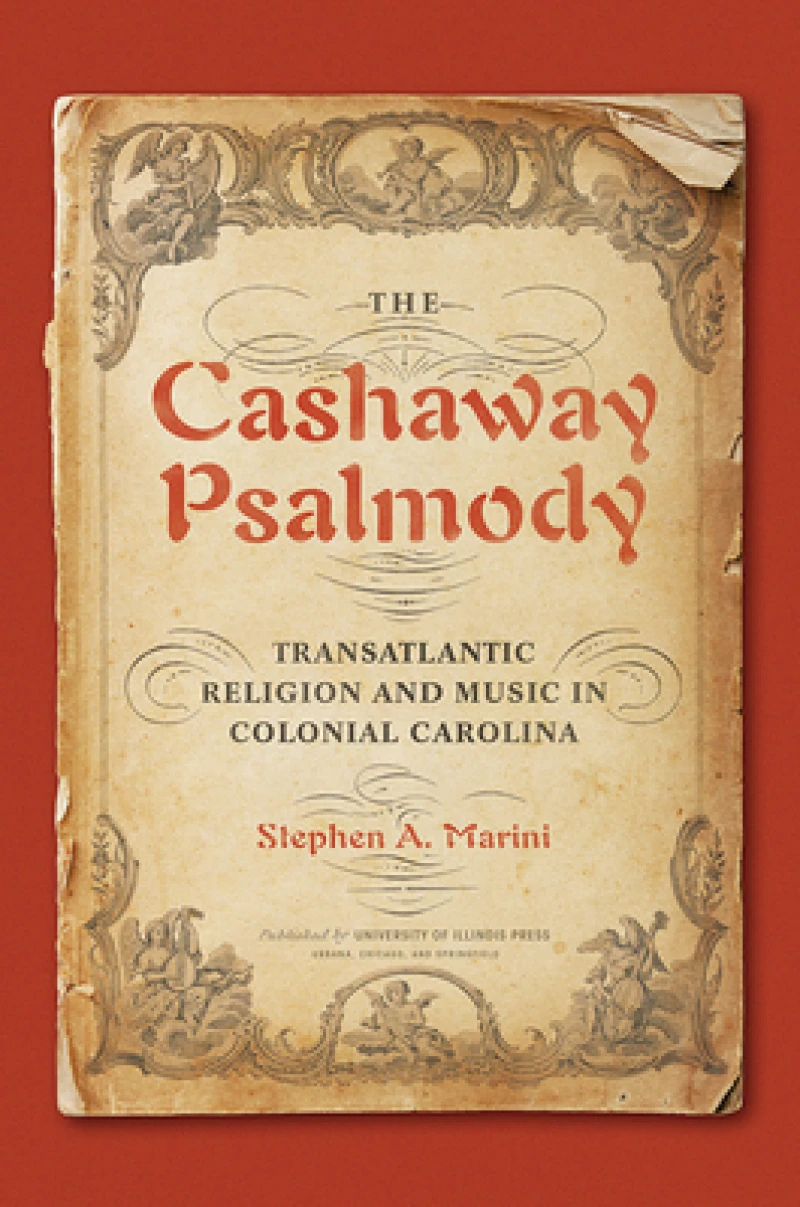
The Cashaway Psalmody : Transatlantic Religion and Music in Colonial Carolina
Book Details
Format
Hardback or Cased Book
Book Series
Music in American Life
ISBN-10
0252042840
ISBN-13
9780252042843
Publisher
University of Illinois Press
Imprint
University of Illinois Press
Country of Manufacture
US
Country of Publication
GB
Publication Date
Jan 8th, 2020
Print length
478 Pages
Weight
821 grams
Dimensions
23.50 x 15.60 x 3.60 cms
Product Classification:
Music reviews & criticismSacred & religious musicHistory of the AmericasLocal history
Ksh 9,350.00
Werezi Extended Catalogue
0 in stock
Delivery Location
Delivery fee: Select location
Secure
Quality
Fast
Singing master Durham Hills created The Cashaway Psalmody to give as a wedding present in 1770. A collection of tenor melody parts for 152 tunes and sixty-three texts, the Psalmody is the only surviving tunebook from the colonial-era South and one of the oldest sacred music manuscripts from the Carolinas. It is all the more remarkable for its sophistication: no similar document of the period matches Hills's level of musical expertise, reportorial reach, and calligraphic skill. Stephen A. Marini, discoverer of The Cashaway Psalmody, offers the fascinating story of the tunebook and its many meanings. From its musical, literary, and religious origins in England, he moves on to the life of Durham Hills; how Carolina communities used the book; and the Psalmody's significance in understanding how ritual song-transmitted via transatlantic music, lyrics, and sacred singing-shaped the era's development. Marini also uses close musical and textual analyses to provide a critical study that offers music historians and musicologists valuable insights on the Pslamody and its period. Meticulous in presentation and interdisciplinary in scope, The Cashaway Psalmody unlocks an important source for understanding life in the Lower South in the eighteenth century.
Get The Cashaway Psalmody by at the best price and quality guaranteed only at Werezi Africa's largest book ecommerce store. The book was published by University of Illinois Press and it has pages.

