
The Common Pot : The Recovery of Native Space in the Northeast
by
Lisa Brooks
Book Details
Format
Paperback / softback
Book Series
Indigenous Americas
ISBN-10
0816647844
ISBN-13
9780816647842
Publisher
University of Minnesota Press
Imprint
University of Minnesota Press
Country of Manufacture
US
Country of Publication
GB
Publication Date
Oct 2nd, 2008
Print length
352 Pages
Weight
580 grams
Dimensions
22.90 x 15.20 x 2.40 cms
Product Classification:
Indigenous peoples
KSh 3,650.00
Currently unavailable
0 in stock
Delivery Location
Delivery fee: Select location
Secure
Quality
Fast
Illuminates the significance of writing to colonial-era Native American resistanceLiterary critics frequently portray early Native American writers either as individuals caught between two worlds or as subjects who, even as they defied the colonial world, struggled to exist within it. In striking counterpoint to these analyses, Lisa Brooks demonstrates the ways in which Native leaders-including Samson Occom, Joseph Brant, Hendrick Aupaumut, and William Apess-adopted writing as a tool to reclaim rights and land in the Native networks of what is now the northeastern United States. “The Common Pot,” a metaphor that appears in Native writings during the eighteenth and nineteenth centuries, embodies land, community, and the shared space of sustenance among relations. Far from being corrupted by forms of writing introduced by European colonizers, Brooks contends, Native people frequently rejected the roles intended for them by their missionary teachers and used the skills they acquired to compose petitions, political tracts, and speeches; to record community councils and histories; and most important, to imagine collectively the routes through which the Common Pot could survive. Reframing the historical landscape of the region, Brooks constructs a provocative new picture of Native space before and after colonization. By recovering and reexamining Algonquian and Iroquoian texts, she shows that writing was not a foreign technology but rather a crucial weapon in the Native Americans’ arsenal as they resisted-and today continue to oppose-colonial domination.
Get The Common Pot by Lisa Brooks at the best price and quality guaranteed only at Werezi Africa's largest book ecommerce store. The book was published by University of Minnesota Press and it has 352 pages.
Customers Who Bought This Also Bought

Democracy of Species
KSh 1,450.00

Men of Maize
KSh 3,050.00
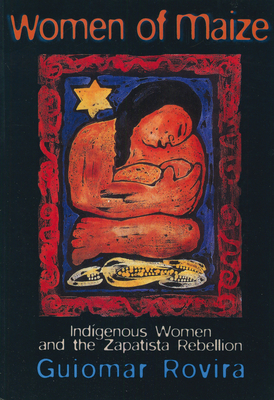
Women Of Maize
KSh 3,850.00

Ghost Nation
KSh 3,950.00

Thicker Than Water
KSh 2,000.00

Boudicca''s Daughter
KSh 2,750.00

Boudicca''s Daughter
KSh 3,400.00

Do The Work
KSh 2,500.00

Rainforest Warriors
KSh 4,300.00

Mayalogue
KSh 4,600.00

They Had Names
KSh 3,900.00
![Early Chapters of Seneca History [microform]](https://book-images.us-southeast-1.linodeobjects.com/images/9781015382565.jpg)
Early Chapters of Seneca History [microform]
KSh 4,300.00