
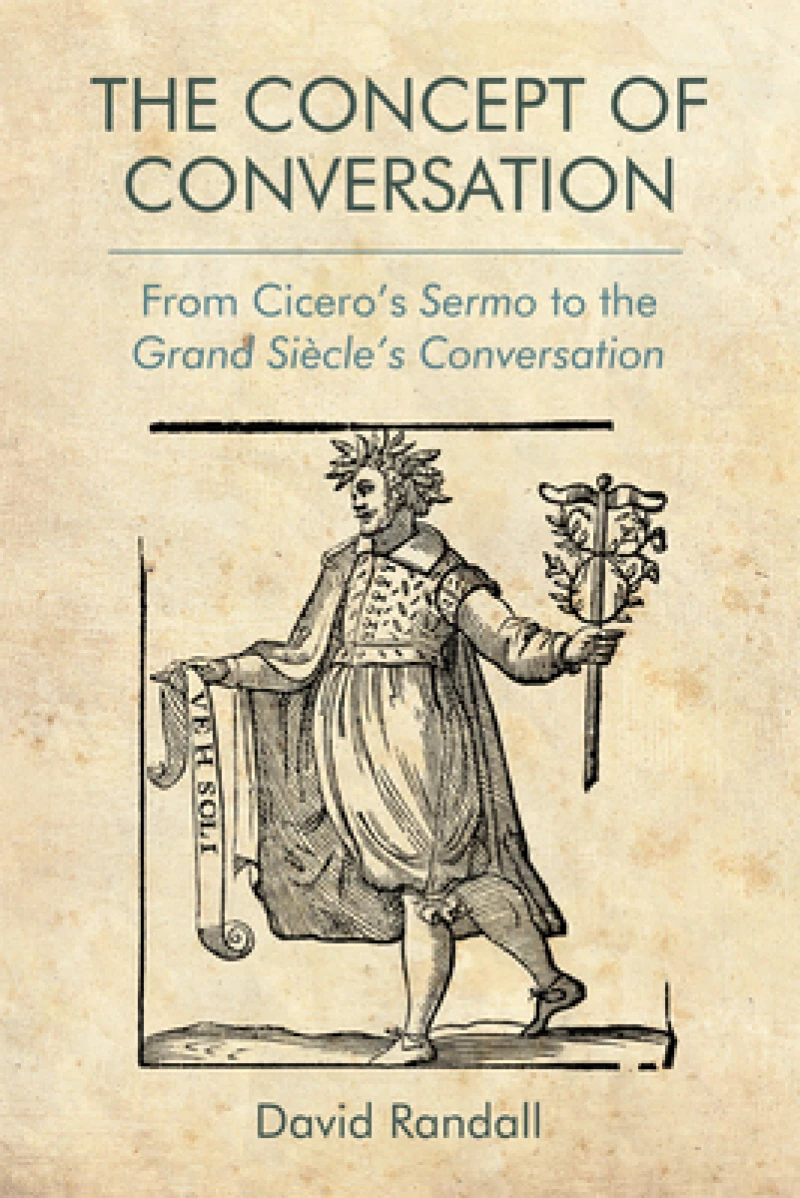
The Concept of Conversation : From Cicero's Sermo to the Grand Siecle's Conversation
Book Details
Format
Paperback / Softback
ISBN-10
1474430112
ISBN-13
9781474430111
Publisher
Edinburgh University Press
Imprint
Edinburgh University Press
Country of Manufacture
GB
Country of Publication
GB
Publication Date
Aug 7th, 2019
Print length
272 Pages
Weight
430 grams
Dimensions
15.50 x 23.40 x 2.40 cms
Ksh 5,600.00
Werezi Extended Catalogue
0 in stock
Delivery Location
Delivery fee: Select location
Secure
Quality
Fast
The Concept of Conversation traces the way the rise of conversation spread out from the history of rhetoric to include the histories of friendship, the court and the salon, the Republic of Letters, periodical press and women.
In the classical period, conversation referred to real conversations, conducted in the leisure time of noble men, and concerned with indefinite philosophical topics. Christianity inflected conversation with universal aspirations during the medieval centuries and the ars dictaminis, the art of letter writing, increased the importance of this written analogue of conversation. The Renaissance humanists from Petrarch onward further transformed conversation, and its genre analogues of dialogue and letter, by transforming it into a metaphor of increasing scope. This expanded realm of humanist conversation bifurcated in Renaissance and early modern Europe. The Concept of Conversation traces the way the rise of conversation spread out from the history of rhetoric to include the histories of friendship, the court and the salon, the Republic of Letters, periodical press and women. It revises Jürgen Habermas'' history of the emergence of the rational speech of the public sphere as the history of the emergence of rational conversation and puts the emergence of women''s speech at the centre of the intellectual history of early modern Europe.
Get The Concept of Conversation by at the best price and quality guaranteed only at Werezi Africa's largest book ecommerce store. The book was published by Edinburgh University Press and it has pages.

