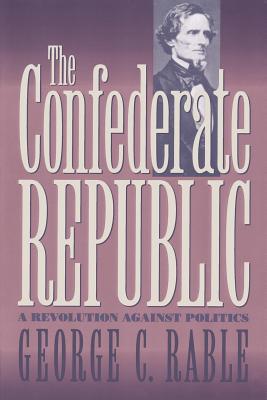
Book Details
Format
Paperback / softback
Book Series
Civil War America
ISBN-10
0807858188
ISBN-13
9780807858189
Edition
New
Publisher
The University of North Carolina Press
Imprint
The University of North Carolina Press
Country of Manufacture
US
Country of Publication
GB
Publication Date
Feb 26th, 2007
Print length
440 Pages
Weight
625 grams
Dimensions
23.30 x 16.30 x 2.60 cms
KSh 6,300.00
Currently unavailable
0 in stock
Delivery Location
Delivery fee: Select location
Secure
Quality
Fast
Offering an investigation of Confederate political culture, this title focuses on the assumptions, values, and beliefs that formed the foundation of Confederate political ideology. It shows how southerners attempted to purify the political process and avoid what they saw as the evils of parties and partisanship.
Although much has been written about the ways in which Confederate politics affected the course of the Civil War, George Rable is the first historian to investigate Confederate political culture in its own right. Focusing on the assumptions, values, and beliefs that formed the foundation of Confederate political ideology, Rable reveals how southerners attempted to purify the political process and avoid what they saw as the evils of parties and partisanship.
According to Rable, secession marked the beginning of a revolution against politics, in which the Confederacy’s founding fathers saw themselves as the true heirs of the American Revolution. Nevertheless, factionalism developed as the war dragged on, with Confederate nationalists emphasizing political unity and support for President Jefferson Davis’s administration and libertarian dissenters warning of the dangers of a centralized Confederate government. Both sides claimed to be the legitimate defenders of a genuine southern republicanism and of Confederate nationalism, and the conflict between them carried over from the strictly political sphere to matters of military strategy, civil religion, and education. Rable concludes that despite the war’s outcome, the Confederacy’s antipolitical legacy had a profound impact on southern politics.
According to Rable, secession marked the beginning of a revolution against politics, in which the Confederacy’s founding fathers saw themselves as the true heirs of the American Revolution. Nevertheless, factionalism developed as the war dragged on, with Confederate nationalists emphasizing political unity and support for President Jefferson Davis’s administration and libertarian dissenters warning of the dangers of a centralized Confederate government. Both sides claimed to be the legitimate defenders of a genuine southern republicanism and of Confederate nationalism, and the conflict between them carried over from the strictly political sphere to matters of military strategy, civil religion, and education. Rable concludes that despite the war’s outcome, the Confederacy’s antipolitical legacy had a profound impact on southern politics.
Get The Confederate Republic by George C. Rable at the best price and quality guaranteed only at Werezi Africa's largest book ecommerce store. The book was published by The University of North Carolina Press and it has 440 pages.
Customers Who Bought This Also Bought
Crusade for Justice – The Autobiography of Ida B. Wells, Second Edition
KSh 4,050.00

Killers of the Flower Moon
KSh 2,000.00
Warmth of Other Suns
KSh 3,050.00
Frederick Douglass
KSh 3,350.00
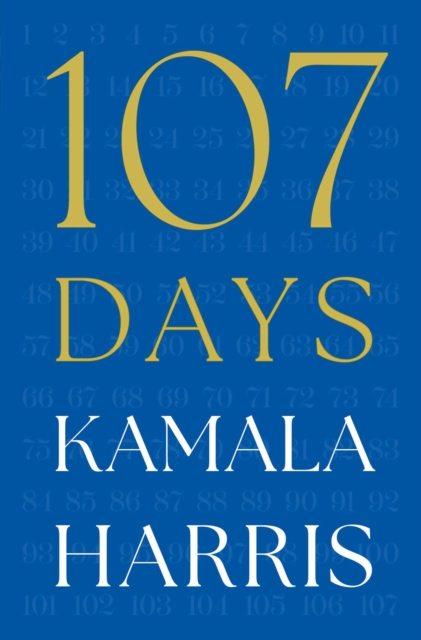
107 Days
KSh 4,500.00

Second Treatise of Government – Norton Library
KSh 1,600.00
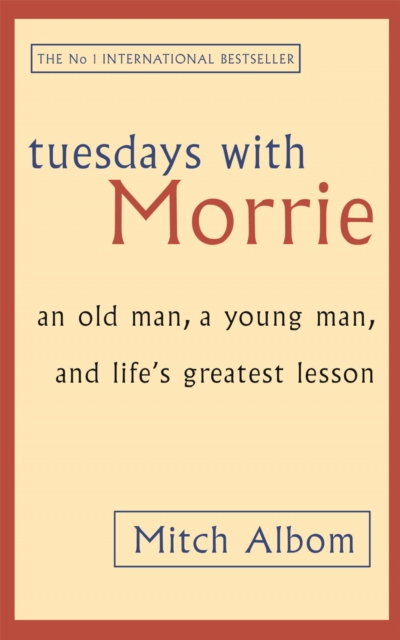
Tuesdays With Morrie
KSh 2,000.00
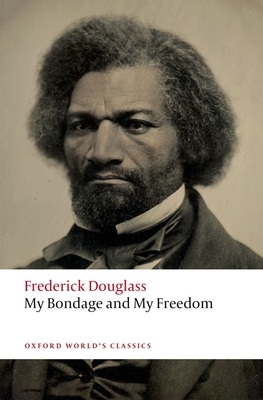
My Bondage and My Freedom
KSh 1,600.00

Hidden Figures
KSh 2,000.00
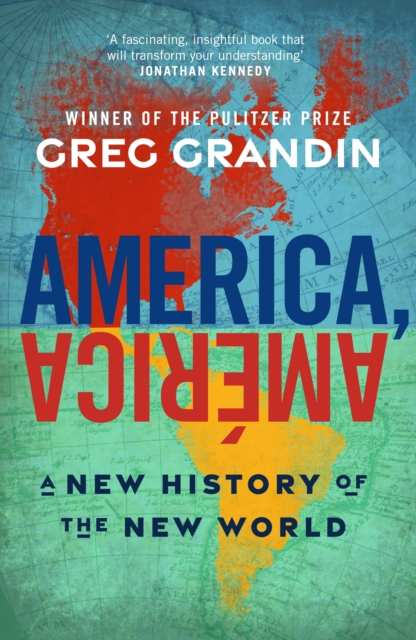
America, América
KSh 3,650.00
Holding the Line
KSh 2,000.00
Nuclear Folly
KSh 3,050.00