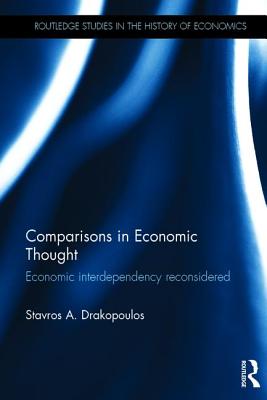
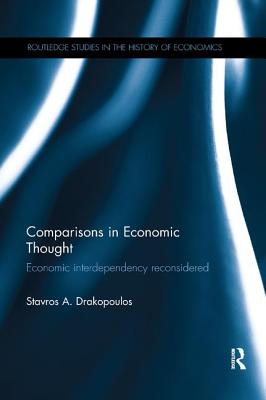
The Consumption Function in Economics : History, Method and Policy Implications
Book Details
Format
Hardback
ISBN-10
3032159571
ISBN-13
9783032159571
Publisher
Springer Nature Switzerland AG
Imprint
Palgrave Macmillan
Country of Manufacture
GB
Country of Publication
GB
Publication Date
May 26th, 2026
Print length
161 Pages
Weight
344 grams
Dimensions
22.00 x 15.50 x 1.60 cms
Product Classification:
Economic theory & philosophyEconomic theory and philosophyMacroeconomicsPolitical economy
KSh 18,000.00
Currently unavailable
0 in stock
Delivery Location
Delivery fee: Select location
Secure
Quality
Fast
By connecting the history of consumption function to the methodological frameworks in which consumption theories were devised, the work also brings into the fore the important economic policy implications associated to various consumption formulations.
This book examines the historical and methodological development of the consumption function in economics. It provides a discussion of the key stages in the theoretical evolution of the concept, from the beginning of the 20th century through to the modern day. Particular attention is given to the ways in which Thorstein Veblen, John Maynard Keynes, James Duesenberry, Franco Modigliani, Richard Brumberg, and Milton Friedman conceptualized consumption. Further, it examines the latest theoretical and methodological developments within the neoclassical, as well as the heterodox economics traditions. By connecting the history of consumption function to the methodological frameworks in which consumption theories were devised, the work also brings into the fore the important economic policy implications associated to various consumption formulations. This book offers insight into how different schools of economic thought have defined consumption and how these ideas inform modern economic theories and political discussions. It will be of interest to students and researchers working on macroeconomic policy, economic theory, and the history of economic thought.
Get The Consumption Function in Economics by Stavros A. Drakopoulos at the best price and quality guaranteed only at Werezi Africa's largest book ecommerce store. The book was published by Springer Nature Switzerland AG and it has 161 pages.
Customers Who Bought This Also Bought

Economics Book
KSh 4,250.00
Basic Economics
KSh 6,850.00
The Essential Keynes
KSh 2,350.00

General Theory of Employment, Interest and Money
KSh 1,400.00
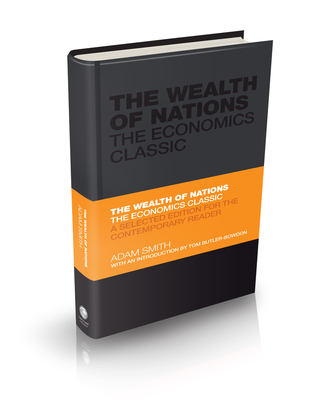
The Wealth of Nations – The Economics Classic – A Selected Edition for the Contemporary Reader
KSh 2,350.00

Wealth of Nations
KSh 1,800.00
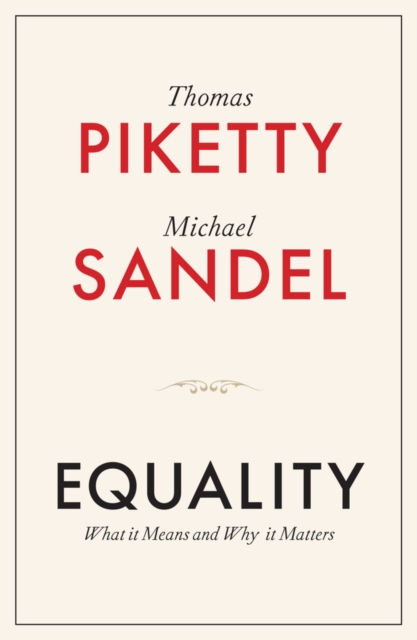
Equality
KSh 2,150.00
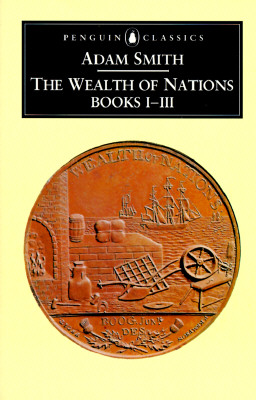
The Wealth of Nations
KSh 2,350.00

What Happened to Liberal Democracy?
KSh 3,050.00

Good Economics for Hard Times
KSh 2,350.00
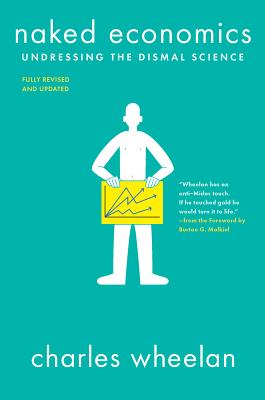
Naked Economics – Undressing the Dismal Science
KSh 2,550.00
Discrimination and Disparities
KSh 5,400.00