
Book Details
Format
Paperback / Softback
ISBN-10
303910067X
ISBN-13
9783039100675
Edition
New
Publisher
Verlag Peter Lang
Imprint
Verlag Peter Lang
Country of Manufacture
CH
Country of Publication
GB
Publication Date
Jul 28th, 2003
Print length
335 Pages
Weight
466 grams
Dimensions
15.30 x 22.40 x 1.80 cms
Product Classification:
Middle EastMiddle Eastern historyMiddle Eastern history
Ksh 14,000.00
Manufactured on Demand
0 in stock
Delivery Location
Delivery fee: Select location
Secure
Quality
Fast
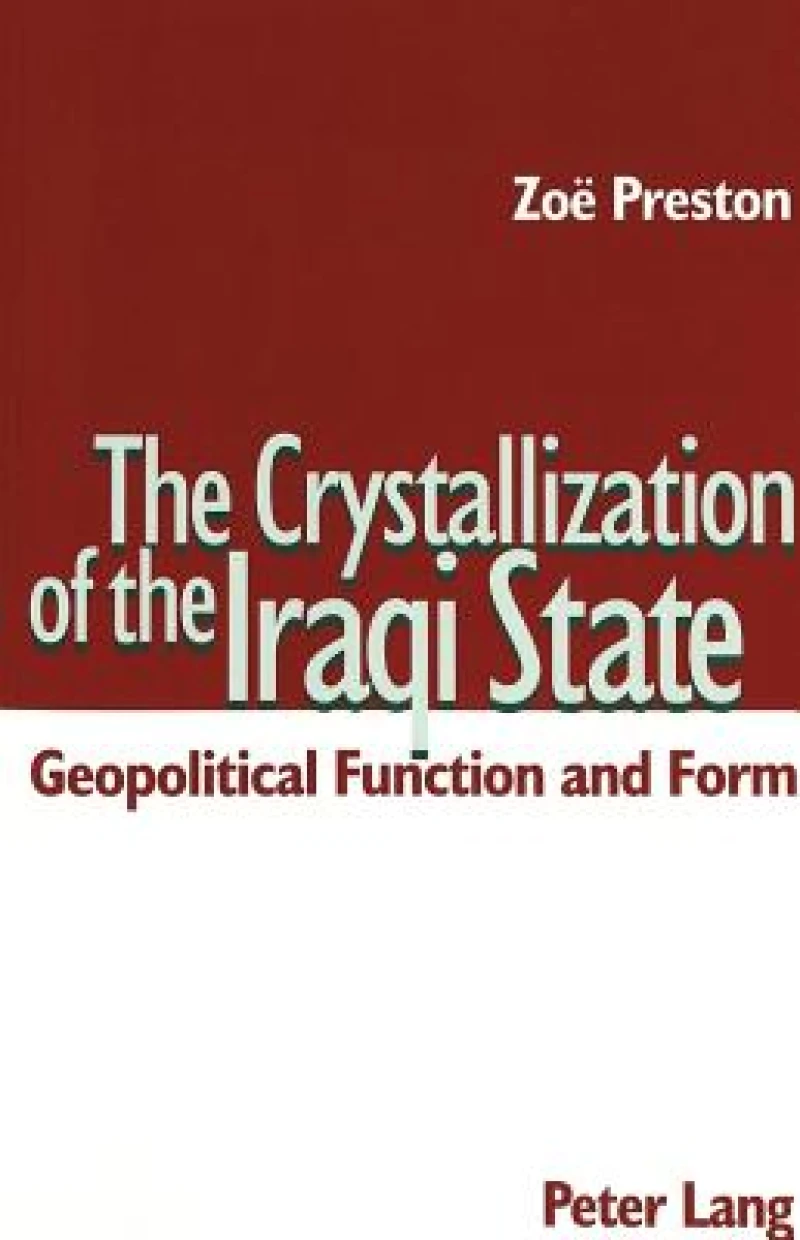
In 1921 the State of Iraq was established under a British-held mandate from the League of Nations. Drawing on the rich archives available, this book examines the fundamental geographical and historical factors that shaped the geopolitical crystallization of this new State. Iraq’s geostrategic location was key, as it lay in a shatterbelt zone of clashing powers and political ideologies. This location invited the attentions of competing world powers.
Many resultant features filtered into the new State. Clashes between various communal identities, themselves a reflection of Iraq’s geostrategic position, presented severe challenges to Iraqi consolidation. So too did the imperial ambitions of Britain, which was still trying to secure its own interests in the region. Despite new Wilsonian principles of self-determination, Britain gained the Iraqi mandate and backed the narrow strand of nationalism represented by the Sunni Arab elite. With such a limited indigenous support base, this Arab administration remained dependent upon Britain. This exacerbated ethnic and religious divisions, creating a dangerously unbalanced State. Such unequal access to power was reinforced by the clustered geographical distribution of the major ethnic and religious groups. This book offers a thorough analysis.
Many resultant features filtered into the new State. Clashes between various communal identities, themselves a reflection of Iraq’s geostrategic position, presented severe challenges to Iraqi consolidation. So too did the imperial ambitions of Britain, which was still trying to secure its own interests in the region. Despite new Wilsonian principles of self-determination, Britain gained the Iraqi mandate and backed the narrow strand of nationalism represented by the Sunni Arab elite. With such a limited indigenous support base, this Arab administration remained dependent upon Britain. This exacerbated ethnic and religious divisions, creating a dangerously unbalanced State. Such unequal access to power was reinforced by the clustered geographical distribution of the major ethnic and religious groups. This book offers a thorough analysis.
Get The Crystallization of the Iraqi State by at the best price and quality guaranteed only at Werezi Africa's largest book ecommerce store. The book was published by Verlag Peter Lang and it has pages.

