
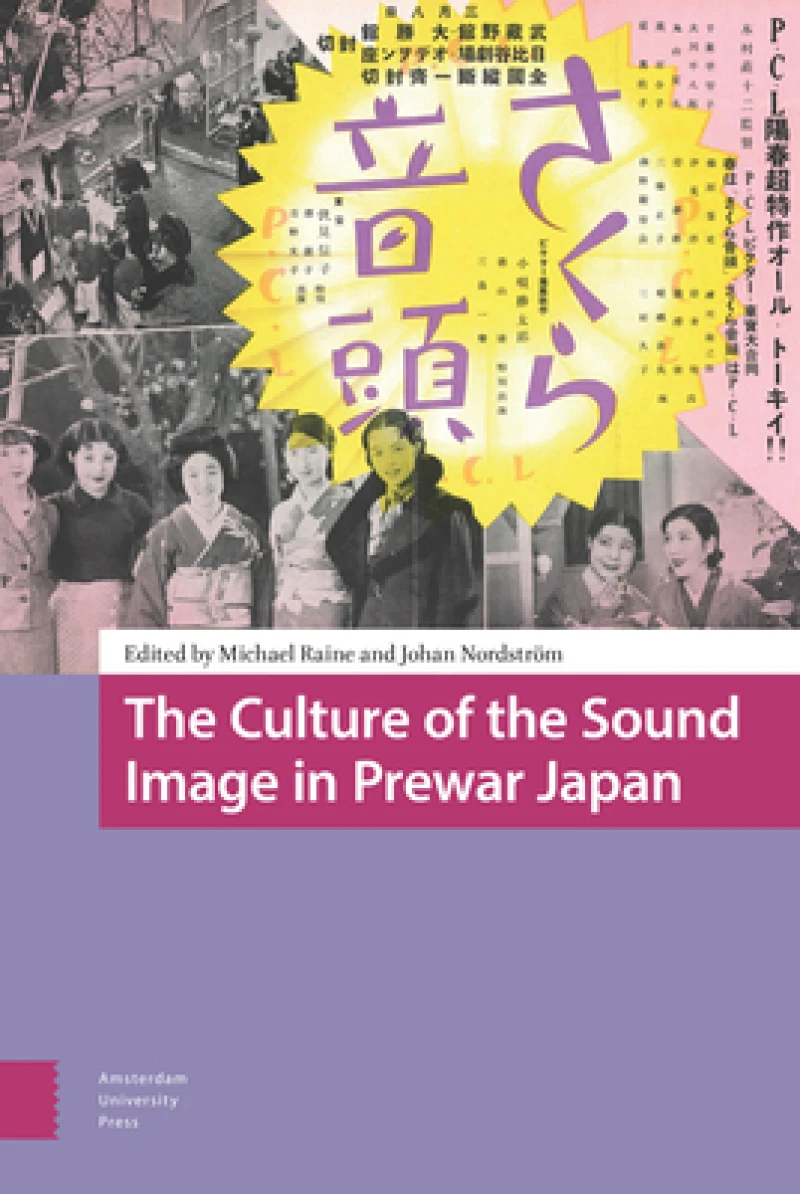
The Culture of the Sound Image in Prewar Japan
Book Details
Format
Hardback or Cased Book
ISBN-10
9089647732
ISBN-13
9789089647733
Publisher
Amsterdam University Press
Imprint
Amsterdam University Press
Country of Manufacture
GB
Country of Publication
GB
Publication Date
Nov 26th, 2020
Print length
228 Pages
Weight
506 grams
Dimensions
16.20 x 24.20 x 1.90 cms
Product Classification:
Film theory & criticismRadioAsian historyPopular culture
Ksh 22,500.00
Werezi Extended Catalogue
0 in stock
Delivery Location
Delivery fee: Select location
Secure
Quality
Fast
This collection of essays explores the development of electronic sound recording in Japanese cinema, radio, and popular music to illuminate the interrelationship of aesthetics, technology, and cultural modernity in prewar Japan. Putting the cinema at the center of a ‘culture of the sound image’, it restores complexity to a media transition that is often described simply as slow and reluctant. In that vibrant sound culture, the talkie was introduced on the radio before it could be heard in the cinema, and pop music adaptations substituted for musicals even as cinema musicians and live narrators resisted the introduction of recorded sound. Taken together, the essays show that the development of sound technology shaped the economic structure of the film industry and its labour practices, the intermedial relation between cinema, radio, and popular music, as well as the architecture of cinemas and the visual style of individual Japanese films and filmmakers.
This collection of essays explores the development of electronic sound recording in Japanese cinema, radio, and popular music to illuminate the interrelationship of aesthetics, technology, and cultural modernity in prewar Japan. Putting the cinema at the center of a ‘culture of the sound image’, it restores complexity to a media transition that is often described simply as slow and reluctant. In that vibrant sound culture, the talkie was introduced on the radio before it could be heard in the cinema, and pop music adaptations substituted for musicals even as cinema musicians and live narrators resisted the introduction of recorded sound. Taken together, the essays show that the development of sound technology shaped the economic structure of the film industry and its labour practices, the intermedial relation between cinema, radio, and popular music, as well as the architecture of cinemas and the visual style of individual Japanese films and filmmakers.
Get The Culture of the Sound Image in Prewar Japan by at the best price and quality guaranteed only at Werezi Africa's largest book ecommerce store. The book was published by Amsterdam University Press and it has pages.

