
Book Details
Format
Paperback / Softback
Book Series
Studies in Rural Culture
ISBN-10
080784585X
ISBN-13
9780807845851
Edition
New
Publisher
The University of North Carolina Press
Imprint
The University of North Carolina Press
Country of Manufacture
US
Country of Publication
GB
Publication Date
Dec 16th, 1996
Print length
220 Pages
Weight
344 grams
Dimensions
23.40 x 15.60 x 1.50 cms
Product Classification:
History of the AmericasModern history to 20th century: c 1700 to c 190020th century history: c 1900 to c 2000Colonialism & imperialismNational liberation & independence, post-colonialismRural communities / rural lifeRural communitiesHistoryHistory of the AmericasColonialism and imperialismNational liberation and independenceAgriculture & farmingAgriculture and farming
Ksh 6,300.00
Werezi Extended Catalogue
0 in stock
Delivery Location
Delivery fee: Select location
Secure
Quality
Fast
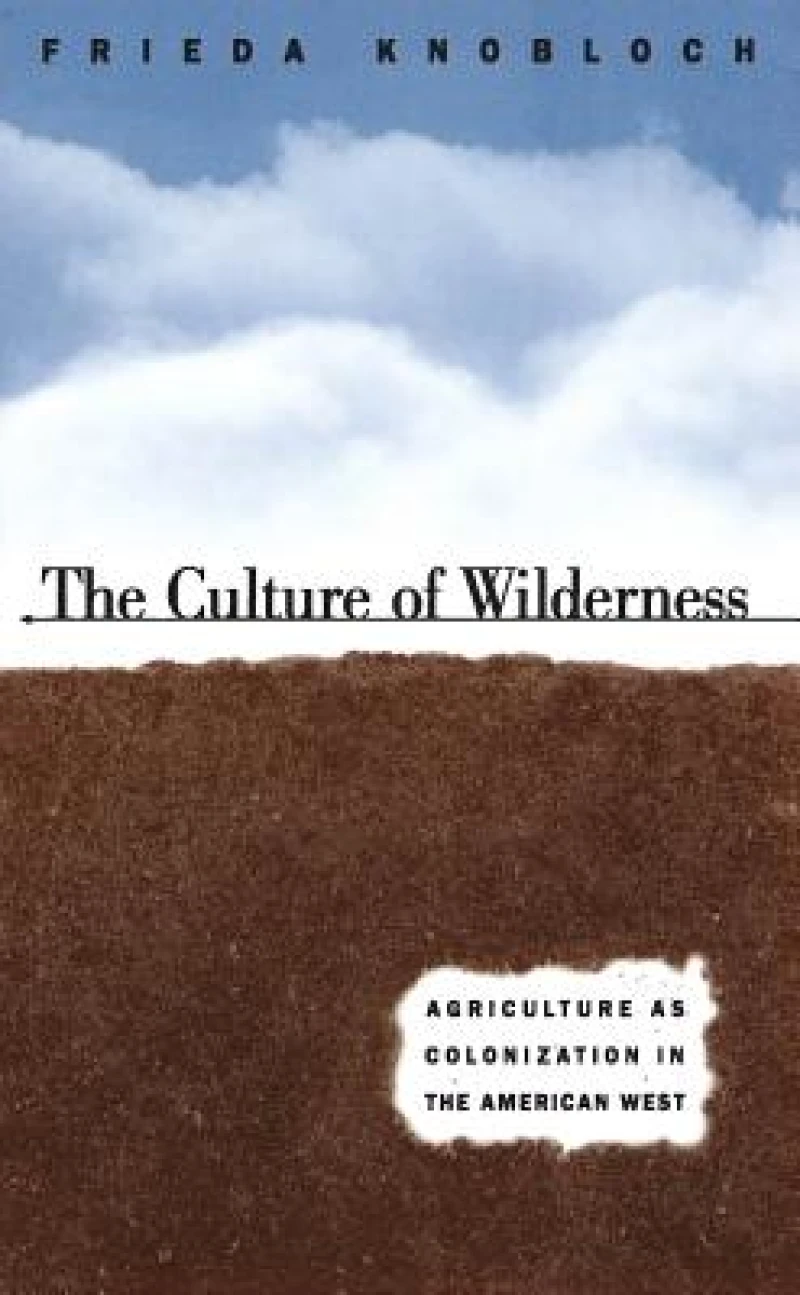
Combines cultural and technological history, to show how agriculture functioned as a colonizing force in the American west. The author uses agricultural textbooks, USDA documents and settlement accounts to explore the idea that civilization progresses by bringing agriculture to the wilderness.
In this innovative work of cultural and technological history, Frieda Knobloch describes how agriculture functioned as a colonizing force in the American West between 1862 and 1945. Using agricultural textbooks, USDA documents, and historical accounts of western settlement, she explores the implications of the premise that civilization progresses by bringing agriculture to wilderness. Her analysis is the first to place the trans-Mississippi West in the broad context of European and classical Roman agricultural history. Knobloch shows how western land, plants, animals, and people were subjugated in the name of cultivation and improvement. Illuminating the cultural significance of plows, livestock, trees, grasses, and even weeds, she demonstrates that discourse about agriculture portrays civilization as the emergence of a colonial, socially stratified, and bureaucratic culture from a primitive, feminine, and unruly wilderness. Specifically, Knobloch highlights the displacement of women from their historical role as food gatherers and producers and reveals how Native American land-use patterns functioned as a form of cultural resistance. Describing the professionalization of knowledge, Knobloch concludes that both social and biological diversity have suffered as a result of agricultural ''progress.''
Get The Culture of Wilderness by at the best price and quality guaranteed only at Werezi Africa's largest book ecommerce store. The book was published by The University of North Carolina Press and it has pages.

