
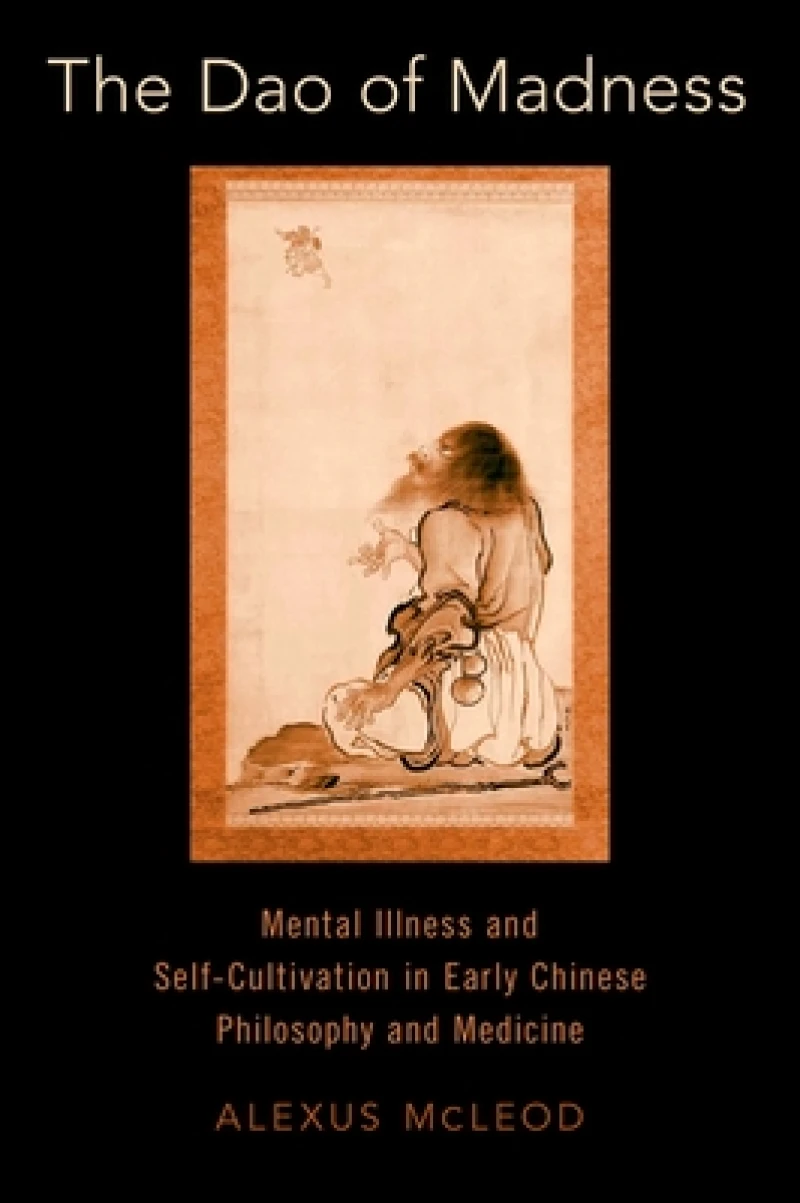
The Dao of Madness : Mental Illness and Self-Cultivation in Early Chinese Philosophy and Medicine
Book Details
Format
Hardback or Cased Book
ISBN-10
0197505910
ISBN-13
9780197505915
Publisher
Oxford University Press Inc
Imprint
Oxford University Press Inc
Country of Manufacture
US
Country of Publication
GB
Publication Date
Dec 30th, 2021
Print length
280 Pages
Weight
546 grams
Dimensions
16.40 x 24.40 x 2.40 cms
Product Classification:
Non-Western philosophyPhilosophy of mindPhilosophy of science
Ksh 17,750.00
Werezi Extended Catalogue
0 in stock
Delivery Location
Delivery fee: Select location
Secure
Quality
Fast
In The Dao of Madness, Alexus McLeod discuss three different accounts of the concept of "madness" (kuang) in early Chinese thought, and the origins of the conception of mental illness in early China. Madness is discussed in early Chinese texts in connection with personhood, self-cultivation, and agency. The book explores the role of madness in Confucian texts, which take madness as the result of flawed character, and in the Zhuangzi and related texts, which celebrate madness as an alternative and unbounded view of the world. The attempt to solve some of the problems inherent in these earlier views of madness leads to the "medicalization" of madness and mental illness more generally in Han Dynasty texts, and the origin of the Chinese medical tradition. Understanding these crucial links between the medical tradition and the philosophical tradition in early China clarifies early views of personhood, agency, and self-cultivation.
Mental illness complicates views of agency and moral responsibility in ethics. Particularly for traditions and theories focused on self-cultivation, such as Aristotelian virtue ethics and many systems of ethics in early Chinese philosophy, mental illness offers powerful challenges. Can the mentally ill person cultivate herself and achieve a level of virtue, character, or thriving similar to the mentally healthy? Does mental illness result from failures in self-cultivation, failure in social institutions or rulership, or other features of human activity? Can a life complicated by struggles with mental illness be a good one? The Dao of Madness investigates the role of mental illness, specifically "madness" (kuang), in discussions of self-cultivation and ideal personhood in early Chinese philosophical and medical thought, and the ways in which early Chinese thinkers probed difficult questions surrounding mental health. Alexus McLeod explores three central accounts: the early "traditional" views of those, including Confucians, taking madness to be the result of character flaw; the challenge from Zhuangists celebrating madness as a freedom from standard norms connected to knowledge; and the "medicalization" of madness within the naturalistic shift of Han Dynasty thought. Understanding views on madness in the ancient world helps reveal key features of Chinese thinkers'' conceptions of personhood and agency, as well as their accounts of ideal activity. Further, it exposes the motivations behind the origins of the medical tradition, and of the key links between philosophy and medicine in early Chinese thought. The early Chinese medical tradition has crucial and understudied connections to early philosophy, connections which this volume works to uncover.
Get The Dao of Madness by at the best price and quality guaranteed only at Werezi Africa's largest book ecommerce store. The book was published by Oxford University Press Inc and it has pages.

