
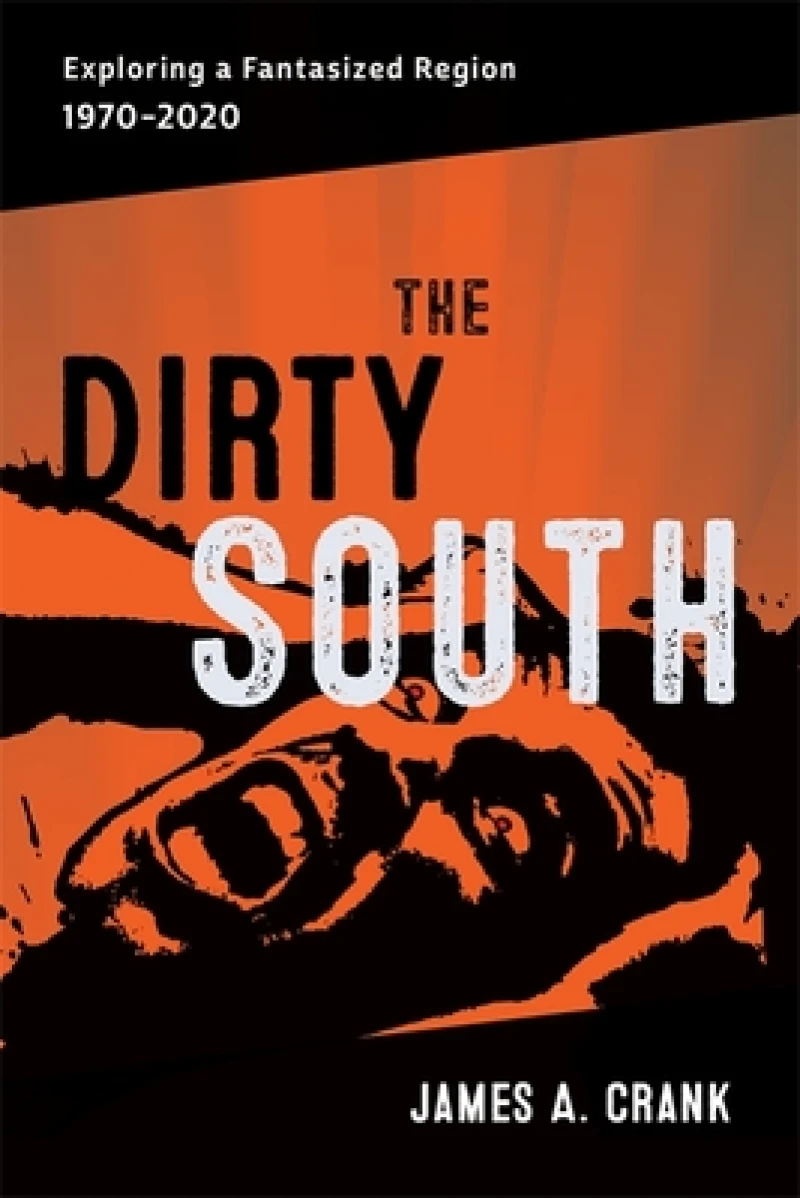
The Dirty South : Exploring a Fantasized Region, 1970–2020
Book Details
Format
Hardback or Cased Book
Book Series
Southern Literary Studies
ISBN-10
0807180130
ISBN-13
9780807180136
Publisher
Louisiana State University Press
Imprint
Louisiana State University Press
Country of Manufacture
GB
Country of Publication
GB
Publication Date
Nov 15th, 2023
Print length
272 Pages
Weight
558 grams
Dimensions
15.90 x 23.70 x 2.50 cms
Ksh 6,500.00
Werezi Extended Catalogue
0 in stock
Delivery Location
Delivery fee: Select location
Secure
Quality
Fast
With a focus on media forms through which southern identity gets articulated and questioned - including horror movies, Swamp Thing comics, and popular music - The Dirty South probes the sustained fascination with southern dirtiness while reflecting on its causes and consequences since the end of the civil rights era.
The Dirty South examines the shifting significances of the South as a constructed, fantasized region in the American psyche, particularly its frequent association with tropes of dirt that emphasize soil, garbage, trash, grit, litter, mud, swamp water, slime, and pollution. Beginning with iconic works from the 1970s such as Deliverance and The Texas Chainsaw Massacre, James A. Crank traces the image of a "dirty" South into the twenty-first century to explore the social, political, and psychological effects of the region's hold on the imaginations of southerners and nonsoutherners alike.
With a focus on media forms through which southern identity gets articulated and questioned—including horror movies, Swamp Thing comics, and popular music by artists such as Waylon Jennings and OutKast—The Dirty South probes the sustained fascination with southern dirtiness while reflecting on its causes and consequences since the end of the civil rights era. Highlighting the period from 1970 to 2020, during which the South began to represent several new possible identities for the nation as a whole and for the area itself, Crank considers the ways that southerners have used depictions of dirt to create and police boundaries and to contest those boundaries. Each chapter pairs prominent literary or cultural texts from the 1970s with more contemporary works, such as Jordan Peele's film Get Out, which recycle similar investments or, critically, challenge the inherent whiteness of the earlier images.
By historicizing fantasies of the region and connecting them to the first decades of the twenty-first century, The Dirty South reveals that notions about southern dirtiness proliferate not because they lend authenticity or relevancy to the U.S. South, but because they aid so conspicuously in the zombified work of tethering investors (real and imagined) to a graveyard of ideas.
With a focus on media forms through which southern identity gets articulated and questioned—including horror movies, Swamp Thing comics, and popular music by artists such as Waylon Jennings and OutKast—The Dirty South probes the sustained fascination with southern dirtiness while reflecting on its causes and consequences since the end of the civil rights era. Highlighting the period from 1970 to 2020, during which the South began to represent several new possible identities for the nation as a whole and for the area itself, Crank considers the ways that southerners have used depictions of dirt to create and police boundaries and to contest those boundaries. Each chapter pairs prominent literary or cultural texts from the 1970s with more contemporary works, such as Jordan Peele's film Get Out, which recycle similar investments or, critically, challenge the inherent whiteness of the earlier images.
By historicizing fantasies of the region and connecting them to the first decades of the twenty-first century, The Dirty South reveals that notions about southern dirtiness proliferate not because they lend authenticity or relevancy to the U.S. South, but because they aid so conspicuously in the zombified work of tethering investors (real and imagined) to a graveyard of ideas.
Get The Dirty South by at the best price and quality guaranteed only at Werezi Africa's largest book ecommerce store. The book was published by Louisiana State University Press and it has pages.

