
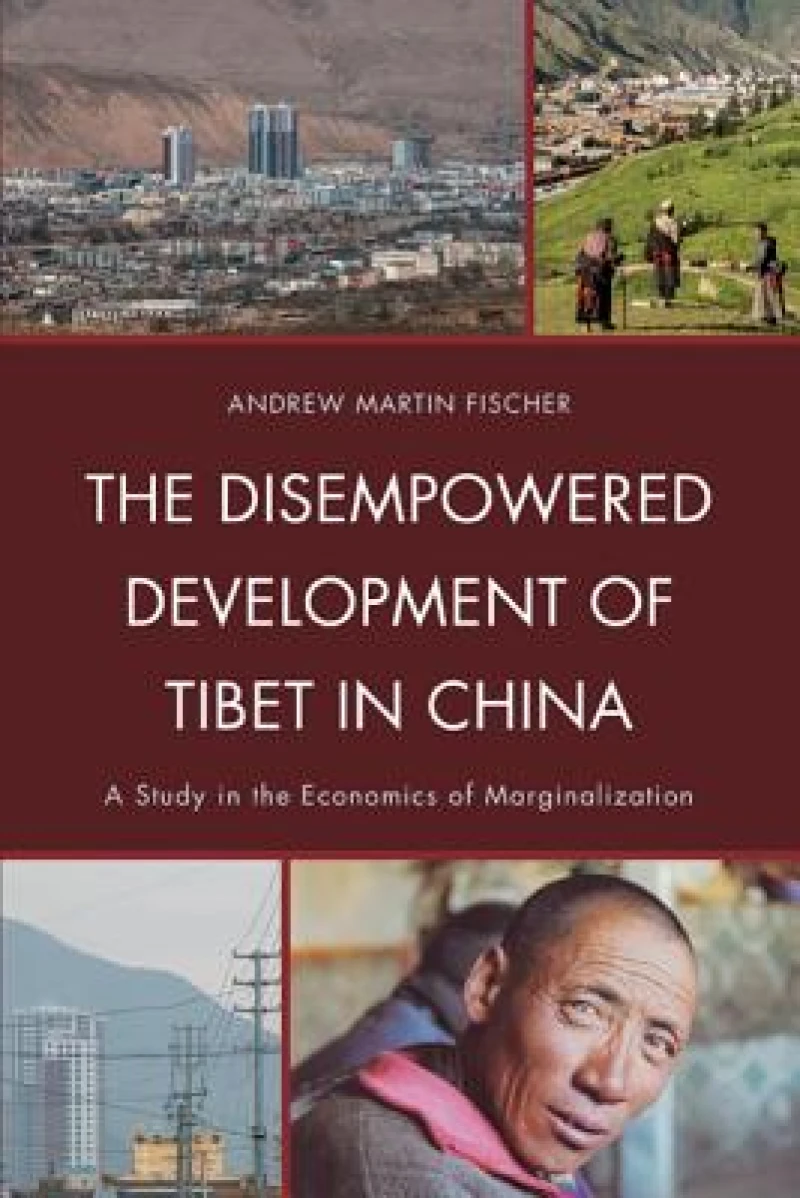
The Disempowered Development of Tibet in China : A Study in the Economics of Marginalization
Book Details
Format
Paperback / Softback
Book Series
Studies in Modern Tibetan Culture
ISBN-10
0739134388
ISBN-13
9780739134382
Publisher
Bloomsbury Publishing Plc
Imprint
Lexington Books
Country of Manufacture
GB
Country of Publication
GB
Publication Date
Dec 20th, 2013
Print length
462 Pages
Weight
740 grams
Dimensions
22.70 x 16.30 x 2.70 cms
Ksh 12,250.00
Manufactured on Demand
0 in stock
Delivery Location
Delivery fee: Select location
Secure
Quality
Fast
Series:Studies in Modern Tibetan Culture, Lexington BooksWeatherhead East Asian Institute, Columbia UniversitySince the central government of China started major campaigns for western development in the mid-1990s, the economies of the Tibetan areas in Western China have grown rapidly and living standards have improved. However, grievances and protests have also intensified, as dramatically evidenced by the protests that spread across most Tibetan areas in spring 2008 and by the more recent wave of self-immolation protests that started in 2011. This book offers a detailed and careful exploration of this synergy between development and conflict in Tibet from the mid-1990s onwards, when rapid economic growth has occurred in tandem with a particularly assimilationist approach of integrating Tibet into China.Fischer argues that the intensified economic integration of Tibet into regional and national development strategies on these assimilationist terms, within a context of continued political disempowerment, and through the massive channeling of subsidies through Han Chinese dominated entities based outside the Tibetan areas, has accentuated various dynamics of subordination and marginalization faced by Tibetans of all social strata. Whether or not these dynamics are intended to be discriminatory, they effectively accentuate the discriminatory, assimilationist and disempowering characteristics of development, even while producing considerable improvements in the material consumption of local Tibetans. In particular, strong cultural, linguistic and political biases intensify ethnically-exclusionary dynamics among middle and upper strata of the Tibetan labor force, which is problematic considering the rapid shift of Tibetans out of agriculture and towards the highly subsidy-dependent sectors of the economy, especially in urban areas.The combination of these disempowering dynamics with the sheer speed of dislocating and disembedding social change provides important insights into recent tensions given that it has accentuated insecurity while restricting the ability of Tibetan communities to adapt in autonomous and self-determined ways. The study represents one of the only macro-level and systemic analyses of its kind in the scholarship on Tibet, based on accessible economic analysis and extensive interdisciplinary fieldwork. It also carries much interest for those interested in China and in the interactions between development, inequality, exclusion and conflict more generally.
Series:Studies in Modern Tibetan Culture, Lexington BooksWeatherhead East Asian Institute, Columbia UniversitySince the central government of China started major campaigns for western development in the mid-1990s, the economies of the Tibetan areas in Western China have grown rapidly and living standards have improved. However, grievances and protests have also intensified, as dramatically evidenced by the protests that spread across most Tibetan areas in spring 2008 and by the more recent wave of self-immolation protests that started in 2011. This book offers a detailed and careful exploration of this synergy between development and conflict in Tibet from the mid-1990s onwards, when rapid economic growth has occurred in tandem with a particularly assimilationist approach of integrating Tibet into China. Fischer argues that the intensified economic integration of Tibet into regional and national development strategies on these assimilationist terms, within a context of continued political disempowerment, and through the massive channeling of subsidies through Han Chinese dominated entities based outside the Tibetan areas, has accentuated various dynamics of subordination and marginalization faced by Tibetans of all social strata. Whether or not these dynamics are intended to be discriminatory, they effectively accentuate the discriminatory, assimilationist and disempowering characteristics of development, even while producing considerable improvements in the material consumption of local Tibetans. In particular, strong cultural, linguistic and political biases intensify ethnically-exclusionary dynamics among middle and upper strata of the Tibetan labor force, which is problematic considering the rapid shift of Tibetans out of agriculture and towards the highly subsidy-dependent sectors of the economy, especially in urban areas. The combination of these disempowering dynamics with the sheer speed of dislocating and disembedding social change provides important insights into recent tensions given that it has accentuated insecurity while restricting the ability of Tibetan communities to adapt in autonomous and self-determined ways. The study represents one of the only macro-level and systemic analyses of its kind in the scholarship on Tibet, based on accessible economic analysis and extensive interdisciplinary fieldwork. It also carries much interest for those interested in China and in the interactions between development, inequality, exclusion and conflict more generally.
Get The Disempowered Development of Tibet in China by at the best price and quality guaranteed only at Werezi Africa's largest book ecommerce store. The book was published by Bloomsbury Publishing Plc and it has pages.

