
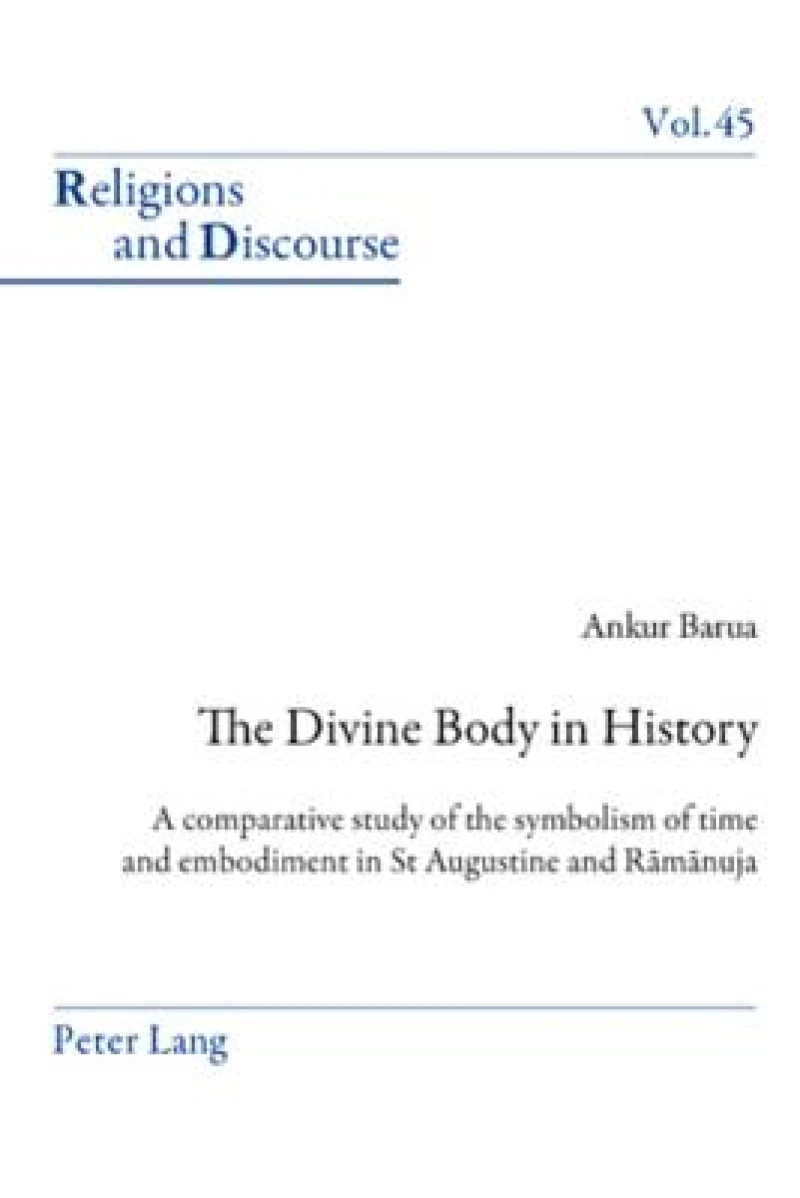
The Divine Body in History : A comparative study of the symbolism of time and embodiment in St Augustine and Ramanuja
New
by
Ankur Barua
Book Details
Format
Paperback / Softback
Book Series
Religions and Discourse
ISBN-10
3039119176
ISBN-13
9783039119172
Edition
New
Publisher
Verlag Peter Lang
Imprint
Verlag Peter Lang
Country of Manufacture
CH
Country of Publication
GB
Publication Date
Jun 15th, 2009
Print length
253 Pages
Weight
402 grams
Dimensions
15.30 x 22.50 x 1.50 cms
Product Classification:
Indo-Iranian languagesLiterary studies: generalPhilosophy: metaphysics & ontologySocial & political philosophyPhilosophy of religionInterfaith relationsHinduismPhilosophy: metaphysics and ontologySocial and political philosophyPhilosophy of religionInterfaith relationsHinduism
Ksh 9,700.00
Manufactured on Demand
0 in stock
Delivery Location
Delivery fee: Select location
Secure
Quality
Fast
This is a study in the field of comparative philosophy of religion. It initiates a dialogue between St Augustine and Ramanuja by focusing on two central themes – time and embodiment – that play a crucial role in their thought. The elaborations of these two themes by St Augustine and Ramanuja have continued to exert a tremendous influence on the histories of European thought and of Hindu movements centred around the notion of bhakti. The examination of the symbolism through which these thinkers articulate their understanding of time and embodiment also challenges certain stereotypes related to classical Indian thought and Latin Christendom, such as the former’s lack of historical consciousness and the latter’s denigration of the human body. This study shows how the ‘west’ and ‘east’ have traditionally engaged with concepts such as temporality, progress and the metaphysical status of finite and bio-physical reality.
Get The Divine Body in History by at the best price and quality guaranteed only at Werezi Africa's largest book ecommerce store. The book was published by Verlag Peter Lang and it has pages.

