
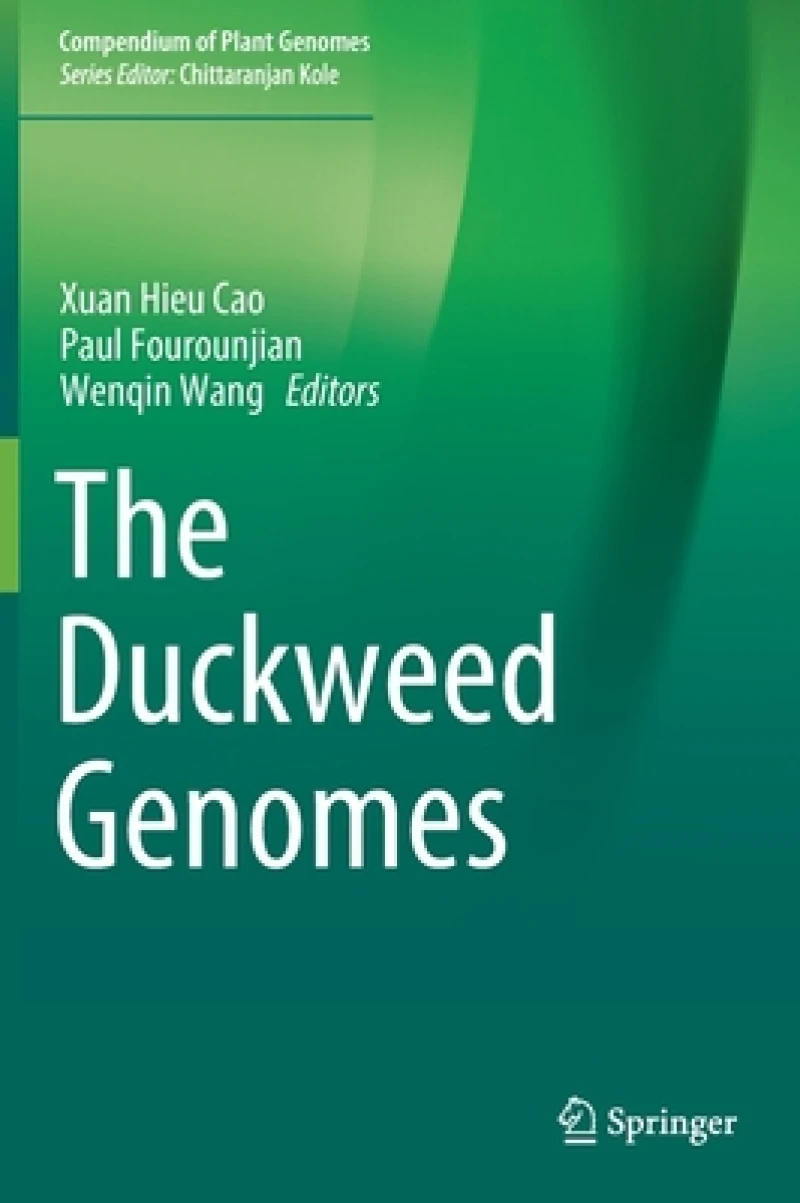
The Duckweed Genomes
2020 ed.
Book Details
Format
Hardback or Cased Book
Book Series
Compendium of Plant Genomes
ISBN-10
3030110443
ISBN-13
9783030110444
Edition
2020 ed.
Publisher
Springer Nature Switzerland AG
Imprint
Springer Nature Switzerland AG
Country of Manufacture
CH
Country of Publication
GB
Publication Date
Jan 8th, 2020
Print length
185 Pages
Ksh 27,000.00
Werezi Extended Catalogue
0 in stock
Delivery Location
Delivery fee: Select location
Secure
Quality
Fast
Further, it describes the current genomics applications of these findings, and efforts to sequence new genomes within the family. These academic and commercial interests have led to international efforts to sequence the Spirodela polyrhiza genome, the smallest and most ancient genome in the family.
This book tells the story behind the first Spirodela genome sequencing project. Further, it describes the current genomics applications of these findings, and efforts to sequence new genomes within the family. The closing chapters address the sequencing of the over 1 Gigabase Wolffia genomes, which could have major impacts on genome evolution and agricultural research.
The duckweed or Lemnaceae family is a collection of 5 genera and 37 species of the smallest, fastest-growing flowering plants. Many of these aquatic monocotyledonous plants can grow all over the world, in a variety of climates. Given their simplified and neotenous morphology, duckweeds have been researched for several decades as a model species for plant physiology and ecotoxicological research, contributing to our understanding e.g. of flowering response, plant circadian systems, sulfur assimilation pathways and auxin biosynthesis. In addition, duckweed-based treatment has been a favorite and feasible means, especially in developing countries, of removing phosphorus and pharmaceutical chemicals from sewage and wastewater.
With a dry annual mass yield per hectare of up to 80 tonnes (equivalent to 10 tonnes of protein), duckweed is also a promising aquatic crop in new modern and sustainable agriculture. Besides being an excellent primary or supplemental feedstock for the production of livestock and fish, duckweed biomass can be utilized as a potential resource for human nutrition, biofuel, or bioplastics, depending on water quality as well as protein or starch accumulating procedures. These academic and commercial interests have led to international efforts to sequence the Spirodela polyrhiza genome, the smallest and most ancient genome in the family.
Get The Duckweed Genomes by at the best price and quality guaranteed only at Werezi Africa's largest book ecommerce store. The book was published by Springer Nature Switzerland AG and it has pages.

