
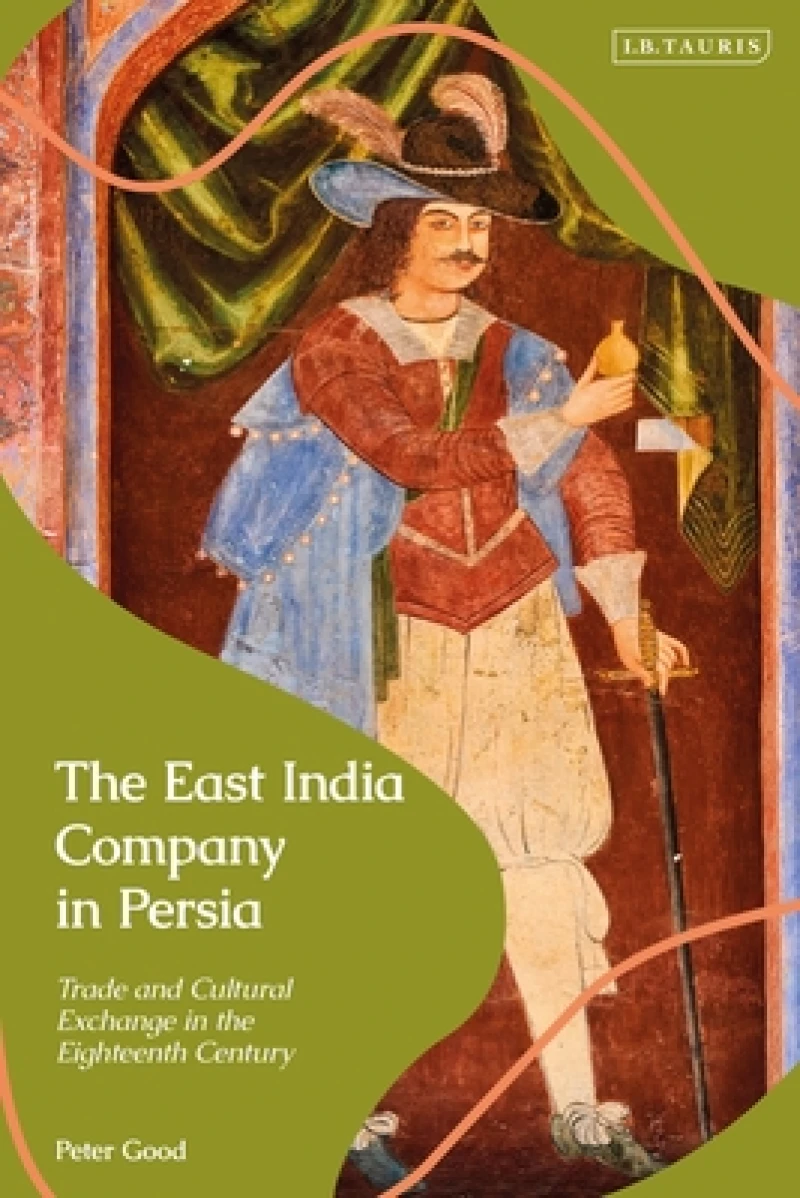
The East India Company in Persia : Trade and Cultural Exchange in the Eighteenth Century
by
Peter Good
Book Details
Format
Hardback or Cased Book
ISBN-10
1350152277
ISBN-13
9781350152274
Publisher
Bloomsbury Academic
Imprint
I.B. Tauris & Co. Ltd.
Country of Manufacture
GB
Country of Publication
GB
Publication Date
Feb 24th, 2022
Print length
224 Pages
Weight
500 grams
Dimensions
16.30 x 24.10 x 2.20 cms
Product Classification:
Middle Eastern historyEarly modern history: c 1450/1500 to c 1700Social & cultural history
Ksh 18,400.00
Manufactured on Demand
0 in stock
Delivery Location
Delivery fee: Select location
Secure
Quality
Fast
In 1747, the city of Kerman in Persia burned amidst chaos, destruction and death perpetrated by the city’s own overlord, Nader Shah. After the violent overthrow of the Safavid dynasty in 1722 and subsequent foreign invasions from all sides, Persia had been in constant turmoil. One well-appointed house that belonged to the East India Company had been saved from destruction by the ingenuity of a Company servant, Danvers Graves, and his knowledge of the Company’s privileges in Persia. This book explores the lived experience of the Company and its trade in Persia and how it interacted with power structures and the local environment in a time of great upheaval in Persian history. Using East India Company records and other sources, it charts the role of the Navy and commercial fleet in the Gulf, trade agreements, and the experience of Company staff, British and non-British living in and navigating conditions in 18th-century Persia. By examining the social, commercial and diplomatic history of this relationship, this book creates a new paradigm for the study of Early Modern interactions in the Indian Ocean.
In 1747, the city of Kerman in Persia burned amidst chaos, destruction and death perpetrated by the city’s own overlord, Nader Shah. After the violent overthrow of the Safavid dynasty in 1722 and subsequent foreign invasions from all sides, Persia had been in constant turmoil. One well-appointed house that belonged to the East India Company had been saved from destruction by the ingenuity of a Company servant, Danvers Graves, and his knowledge of the Company’s privileges in Persia. This book explores the lived experience of the Company and its trade in Persia and how it interacted with power structures and the local environment in a time of great upheaval in Persian history. Using East India Company records and other sources, it charts the role of the Navy and commercial fleet in the Gulf, trade agreements, and the experience of Company staff, British and non-British living in and navigating conditions in 18th-century Persia. By examining the social, commercial and diplomatic history of this relationship, this book creates a new paradigm for the study of Early Modern interactions in the Indian Ocean.
Get The East India Company in Persia by at the best price and quality guaranteed only at Werezi Africa's largest book ecommerce store. The book was published by Bloomsbury Academic and it has pages.

