

The English Constitution
Book Details
Format
Paperback / softback
ISBN-10
110807832X
ISBN-13
9781108078320
Publisher
Cambridge University Press
Imprint
Cambridge University Press
Country of Manufacture
GB
Country of Publication
GB
Publication Date
Jul 27th, 2017
Print length
362 Pages
Weight
482 grams
Dimensions
14.00 x 21.60 x 2.80 cms
Product Classification:
British & Irish historyEuropean history
KSh 5,850.00
Temporarily out of stock, due soon
0 in stock
Delivery Location
Delivery fee: Select location
Secure
Quality
Fast
Editor of The Economist from 1861 until his death, Walter Bagehot (1826–77) wrote across an array of subjects, from banking to literature. In this classic 1867 publication, he sought to describe the 'living reality' of how Britain was governed, making a notable distinction between 'dignified' and 'efficient' constitutional components.
The son of a Somerset-based banker, Walter Bagehot (1826–77) studied classics and philosophy at University College London and later qualified as a barrister, but gave up the law to join the family business. Expansive in his intellectual appetites, he wrote across an array of subjects, including politics, finance, science and literature. From 1861 until his death, he edited The Economist. In this classic 1867 publication, comprising essays that had previously appeared in the Fortnightly Review, Bagehot sought to present the 'living reality' of how Britain was governed at that time. His analysis is remembered for its distinction between the 'dignified' and 'efficient' parts of the constitution, with the institution of the monarchy perceived as embodying the former quality and inspiring deference among the masses. Bagehot's assessments have been much studied and debated ever since. His book on the contemporary money market, Lombard Street (1873), is also reissued in this series.
Get The English Constitution by Walter Bagehot at the best price and quality guaranteed only at Werezi Africa's largest book ecommerce store. The book was published by Cambridge University Press and it has 362 pages.
Customers Who Bought This Also Bought

Churchill
KSh 3,700.00

Difficult Women
KSh 2,350.00

Legacy of Violence
KSh 3,150.00
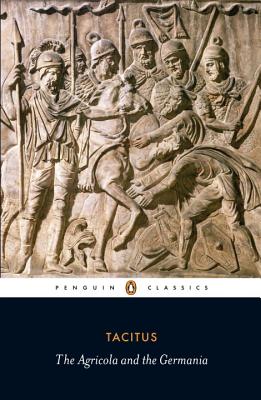
Agricola and the Germania
KSh 2,350.00
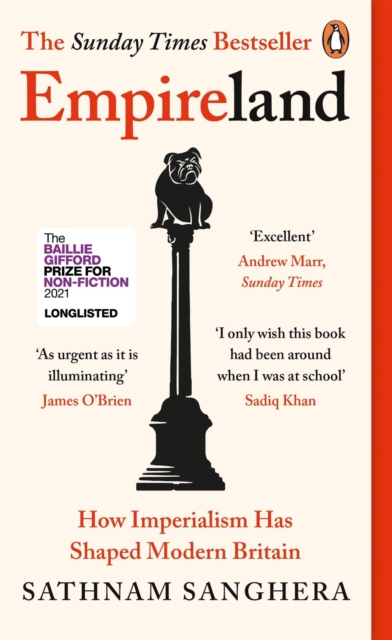
Empireland
KSh 2,150.00

The History of the Kings of Britain
KSh 2,350.00

Siege
KSh 2,000.00

Anarchy
KSh 2,700.00
What Matters in Jane Austen?
KSh 2,700.00
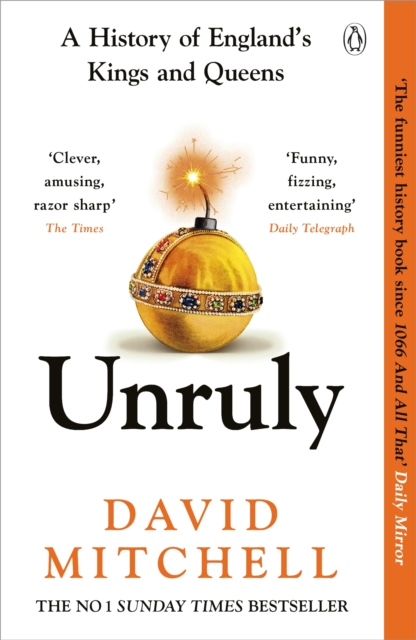
Unruly
KSh 2,150.00
Map Of A Nation
KSh 2,350.00

Black and British
KSh 2,350.00
More by Walter Bagehot

Literary Studies
KSh 3,400.00

Physics and Politics
KSh 5,200.00

Physics and Politics
KSh 3,500.00

Economic Studies (Classic Reprint)
KSh 3,050.00

The Works of Walter Bagehot With Memoirs by R. H, Hutton, Vol. 5 of 5 (Classic Reprint)
KSh 7,350.00

The English Constitution, and Other Political Essays (Classic Reprint)
KSh 4,350.00

The English Constitution
KSh 1,600.00
Lombard Street
KSh 7,050.00

Biographical Studies (Classic Reprint)
KSh 2,950.00

The English Constitution
KSh 2,700.00