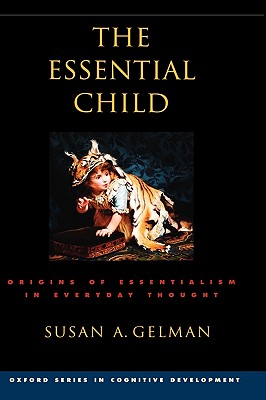
The Essential Child : Origins of Essentialism in Everyday Thought
Book Details
Format
Paperback / softback
Book Series
Oxford Series in Cognitive Development
ISBN-10
0195181980
ISBN-13
9780195181982
Publisher
Oxford University Press Inc
Imprint
Oxford University Press Inc
Country of Manufacture
GB
Country of Publication
GB
Publication Date
May 12th, 2005
Print length
392 Pages
Weight
572 grams
Dimensions
15.80 x 23.40 x 2.20 cms
Product Classification:
Child & developmental psychologyCognition & cognitive psychology
KSh 8,650.00
Temporarily out of stock, due soon
0 in stock
Delivery Location
Delivery fee: Select location
Secure
Quality
Fast
Addressing the issues surrounding essentialism from the perspective of developmental psychology, this book examines children's thinking and ways in which language influences thought. Synthesizing 15 years of empirical research on essentialism into a coherent framework, it is aimed at developmental, cognitive and social psychologists, and others.
Essentialism is the idea that certain categories, such as "dog," "man," or "intelligence," have an underlying reality or true nature that gives objects their identity. Where does this idea come from? In this book, Susan Gelman argues that essentialism is an early cognitive bias. Young children''s concepts reflect a deep commitment to essentialism, and this commitment leads children to look beyond the obvious in many converging ways: when learning words, generalizing knowledge to new category members, reasoning about the insides of things, contemplating the role of nature versus nurture, and constructing causal explanations. Gelman argues against the standard view of children as concrete or focused on the obvious, instead claiming that children have an early, powerful tendency to search for hidden, non-obvious features of things. She also attacks claims that children build up their knowledge of the world based on simple, associative learning strategies, arguing that children''s concepts are embedded in rich folk theories. Parents don''t explicitly teach children to essentialize; instead, during the preschool years, children spontaneously construct concepts and beliefs that reflect an essentialist bias. Essentialist accounts have been offered, in one form or another, for thousands of years, extending back at least to Aristotle and Plato. Yet this book is the first to address the issues surrounding essentialism from a psychological perspective. Gelman synthesizes over 15 years of empirical research on essentialism into a unified framework and explores the broader lessons that the research imparts concerning, among other things, human concepts, children''s thinking, and the ways in which language influences thought. This volume will appeal to developmental, cognitive, and social psychologists, as well as to scholars in cognitive science and philosophy.
Get The Essential Child by Susan A. Gelman at the best price and quality guaranteed only at Werezi Africa's largest book ecommerce store. The book was published by Oxford University Press Inc and it has 392 pages.
Customers Who Bought This Also Bought

The Anxious Generation
KSh 2,000.00
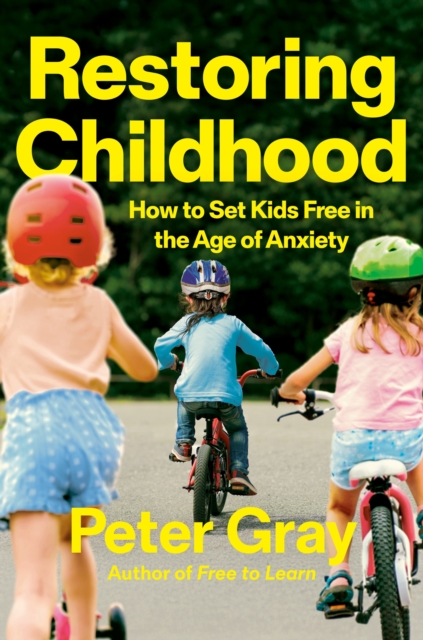
Restoring Childhood
KSh 3,050.00
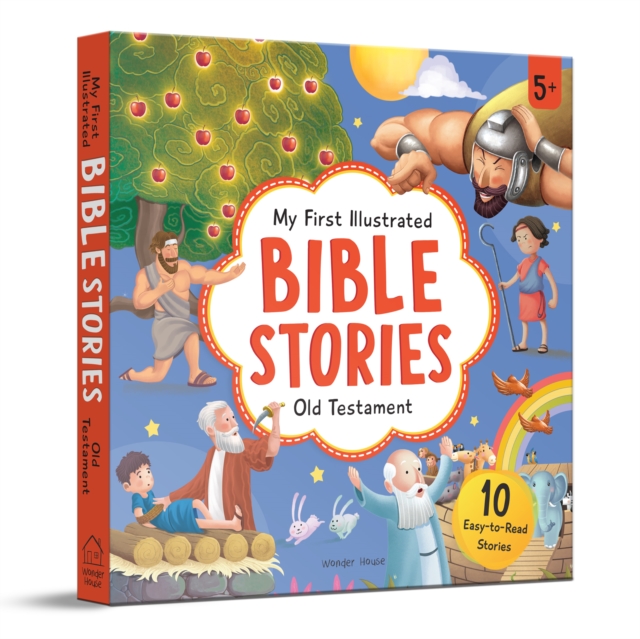
Bible old testament bindup_8x8
KSh 2,450.00
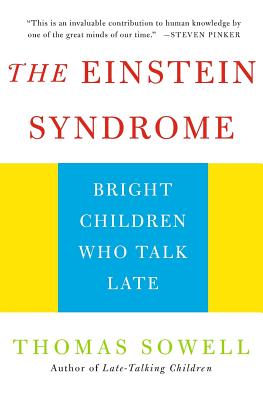
The Einstein Syndrome
KSh 3,200.00
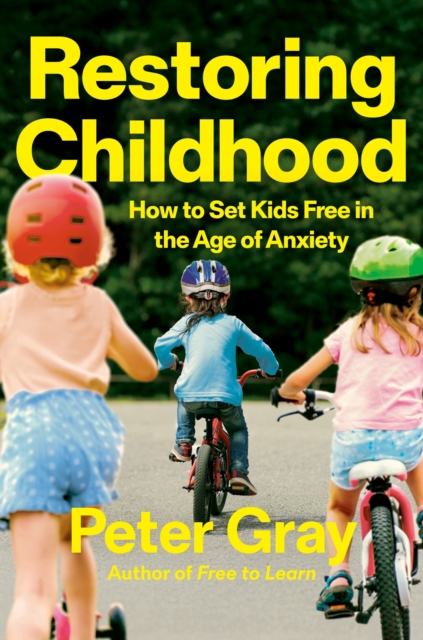
Restoring Childhood
KSh 4,500.00
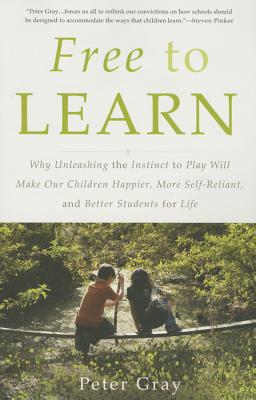
Free to Learn
KSh 3,050.00
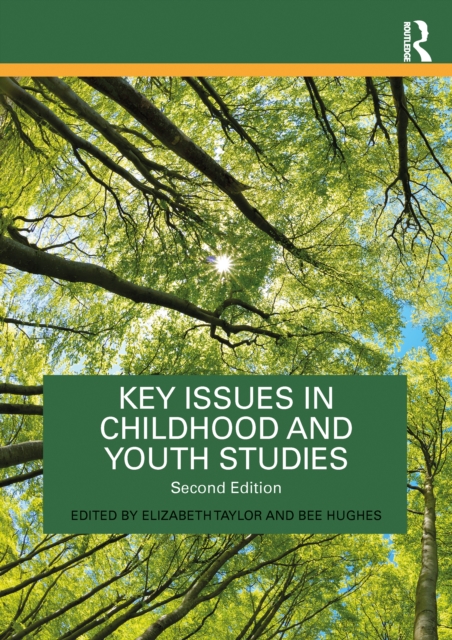
Key Issues in Childhood and Youth Studies
KSh 8,000.00

Key Issues in Childhood and Youth Studies
KSh 30,950.00

Outsmart Anxiety
KSh 4,700.00
How Children Succeed
KSh 3,400.00
Helping Children Succeed
KSh 3,050.00
The Life and Creative Works of Paulo Coelho
KSh 21,600.00