
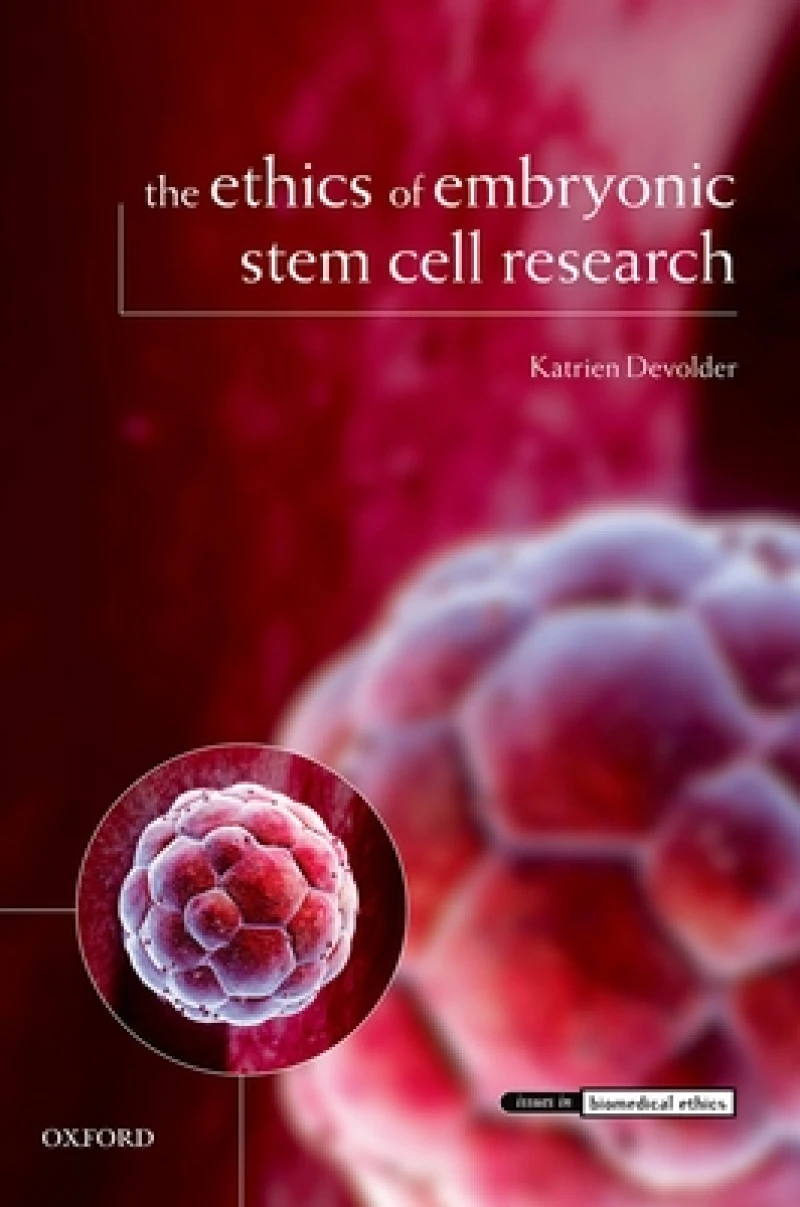
The Ethics of Embryonic Stem Cell Research
Book Details
Format
Hardback or Cased Book
Book Series
Issues in Biomedical Ethics
ISBN-10
0199547998
ISBN-13
9780199547999
Publisher
Oxford University Press
Imprint
Oxford University Press
Country of Manufacture
GB
Country of Publication
GB
Publication Date
Jan 22nd, 2015
Print length
176 Pages
Weight
330 grams
Dimensions
22.40 x 13.90 x 1.30 cms
Ksh 13,900.00
Manufactured on Demand
0 in stock
Delivery Location
Delivery fee: Select location
Secure
Quality
Fast
Embryonic stem cell research holds great promise for biomedical research, but involves the destruction of human embryos. Katrien Devolder explores the tension between the view that embryos should never be deliberately harmed, and the view that such research must go forward. She provides an in-depth analysis of major attempts to resolve the problem.
Embryonic stem cell research holds unique promise for developing therapies for currently incurable diseases and conditions, and for important biomedical research. However, the process through which embryonic stem cells are obtained involves the destruction of early human embryos. Katrien Devolder focuses on the tension between the popular view that an embryo should never be deliberately harmed or destroyed, and the view that embryonic stem cell research, because of its enormous promise, must go forward. She provides an in-depth ethical analysis of the major philosophical and political attempts to resolve this tension. One such attempt involves the development of a middle ground position, which accepts only types or aspects of embryonic stem cell research deemed compatible with the view that the embryo has a significant moral status. An example is the position that it can be permissible to derive stem cells from embryos left over from in vitro fertilisation but not from embryos created for research. Others have advocated a technical solution. Several techniques have been proposed for deriving embryonic stem cells, or their functional equivalents, without harming embryos. An example is the induced pluripotent stem cell technique. Through highlighting inconsistencies in the arguments for these positions, Devolder argues that the central tension in the embryonic stem cell debate remains unresolved. This conclusion has important implications for the stem cell debate, as well as for policies inspired by this debate.
Get The Ethics of Embryonic Stem Cell Research by at the best price and quality guaranteed only at Werezi Africa's largest book ecommerce store. The book was published by Oxford University Press and it has pages.

