
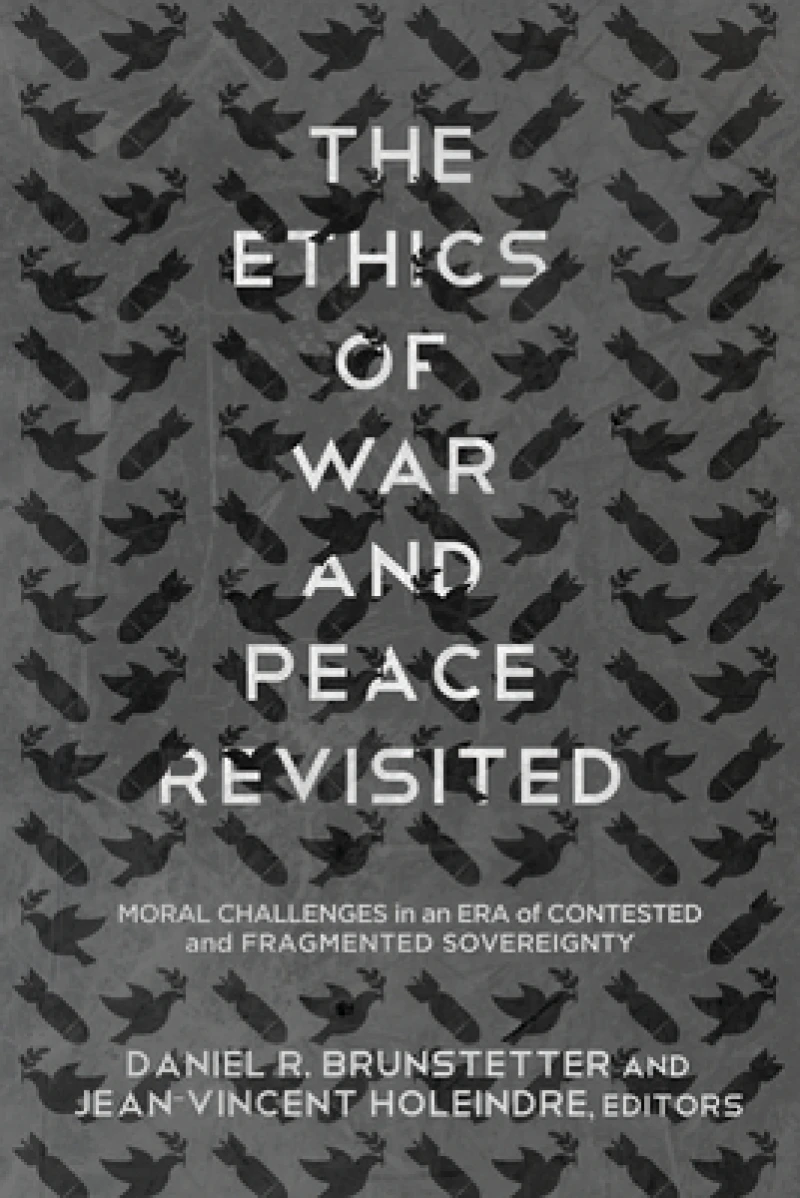
The Ethics of War and Peace Revisited : Moral Challenges in an Era of Contested and Fragmented Sovereignty
Book Details
Format
Hardback or Cased Book
ISBN-10
1626165068
ISBN-13
9781626165069
Publisher
Georgetown University Press
Imprint
Georgetown University Press
Country of Manufacture
GB
Country of Publication
GB
Publication Date
Jan 10th, 2018
Print length
336 Pages
Weight
666 grams
Dimensions
16.20 x 23.70 x 2.40 cms
Ksh 25,900.00
Werezi Extended Catalogue
0 in stock
Delivery Location
Delivery fee: Select location
Secure
Quality
Fast
Humanitarian intervention, preventive war, and just war are all framing mechanisms aimed at convincing domestic and international audiences to go to war and to decide who is justified in ethically killing. The international group of scholars assembled in this book critically examine these frameworks to ask if they are flawed.
How do we frame decisions to use or abstain from military force? Who should do the killing? Do we need new paradigms to guide the use of force? And what does "victory" mean in contemporary conflict? In many ways, these are timeless questions. But they should be revisited in light of changing circumstances in the twenty-first century. The post-Cold War, post-9/11 world is one of contested and fragmented sovereignty: contested because the norm of territorial integrity has shed some of its absolute nature, fragmented because some states do not control all of their territory and cannot defeat violent groups operating within their borders. Humanitarian intervention, preventive war, and just war are all framing mechanisms aimed at convincing domestic and international audiences to go to war-or not), as well as to decide who is justified in legally and ethically killing. The international group of scholars assembled in this book critically examine these frameworks to ask if they are flawed, and if so, how they can be improved. Finally, the volume contemplates what all the killing and dying is for if victory ultimately proves elusive.
Get The Ethics of War and Peace Revisited by at the best price and quality guaranteed only at Werezi Africa's largest book ecommerce store. The book was published by Georgetown University Press and it has pages.

