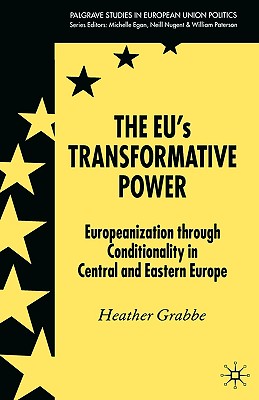
The EU’s Transformative Power : Europeanization Through Conditionality in Central and Eastern Europe
1st ed. 2006
by
H. Grabbe
Book Details
Format
Paperback / softback
Book Series
Palgrave Studies in European Union Politics
ISBN-10
1137574771
ISBN-13
9781137574770
Edition
1st ed. 2006
Publisher
Palgrave Macmillan
Imprint
Palgrave Macmillan
Country of Manufacture
GB
Country of Publication
GB
Publication Date
Nov 10th, 2005
Print length
231 Pages
Weight
332 grams
Dimensions
14.00 x 21.50 x 1.60 cms
Product Classification:
Central government policiesRegional government policiesEU & European institutions
KSh 8,100.00
Currently unavailable
0 in stock
Delivery Location
Delivery fee: Select location
Secure
Quality
Fast
Between 1989 and 2004, the EU's conditionality for membership transformed Central and East Europe. The EU's Transformative Power explores in detail how the EU used its influence to control the movement of people across Europe, through both coercive use of conditionality and voluntary methods of Europeanization.
Between 1989 and 2004, the EU''s conditionality for membership transformed Central and East Europe. The EU had enormous potential power over the whole range of domestic politics in the candidate countries. However, the EU was able to use that power at a few key points in the process leading to their accession. The EU''s long-term influence worked primarily through soft power and through voluntary rather than coercive means. During the membership preparations, the EU built many different routes of influence into the candidate countries'' domestic policy-making through ''Europeanization''. The Central and East Europeans voluntarily took on the Union''s norms and methods, guided by the European Commission, in a massive transfer of policies and institutions. However, the EU missed important opportunities to effect change as well. The EU''s Transformative Power explores in detail how the EU used its influence to control the movement of people across Europe, through both coercive use of conditionality and voluntary methods of Europeanization.
Get The EU’s Transformative Power by H. Grabbe at the best price and quality guaranteed only at Werezi Africa's largest book ecommerce store. The book was published by Palgrave Macmillan and it has 231 pages.
Customers Who Bought This Also Bought
Regime Change
KSh 5,050.00

Rise Fall Great Powers
KSh 3,050.00
Wealth, Poverty and Politics
KSh 6,300.00
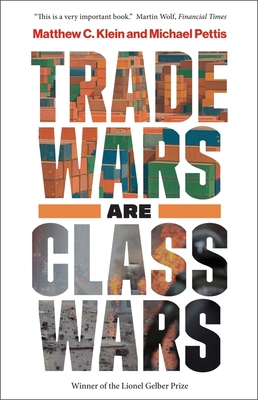
Trade Wars Are Class Wars – How Rising Inequality Distorts the Global Economy and Threatens International Peace
KSh 2,600.00
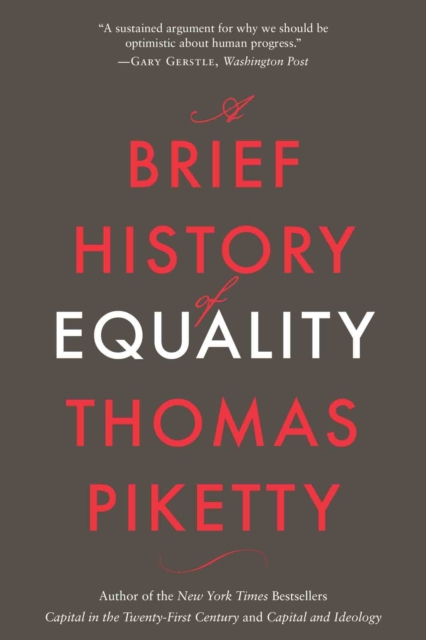
A Brief History of Equality
KSh 2,850.00

Our Malady
KSh 2,000.00

The Vision of the Anointed
KSh 3,250.00

Seeing Like a State – How Certain Schemes to Improve the Human Condition Have Failed
KSh 3,550.00

Narrow Corridor
KSh 2,350.00

Chokepoint Capitalism
KSh 2,000.00
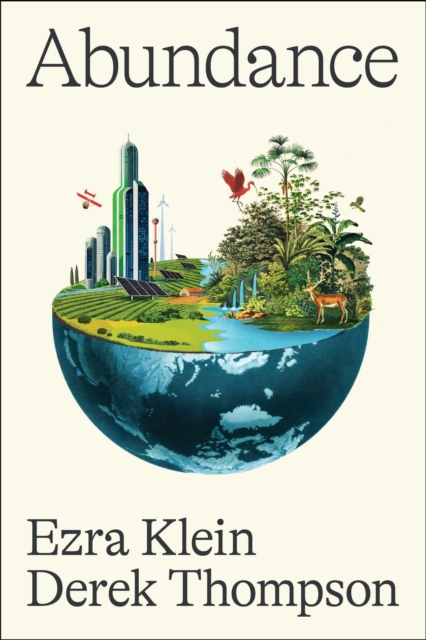
Abundance
KSh 3,400.00
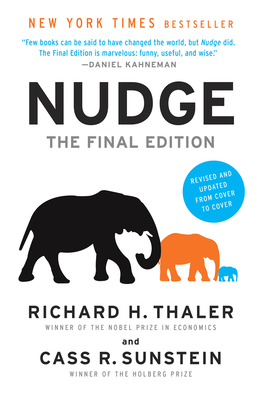
Nudge
KSh 5,000.00