
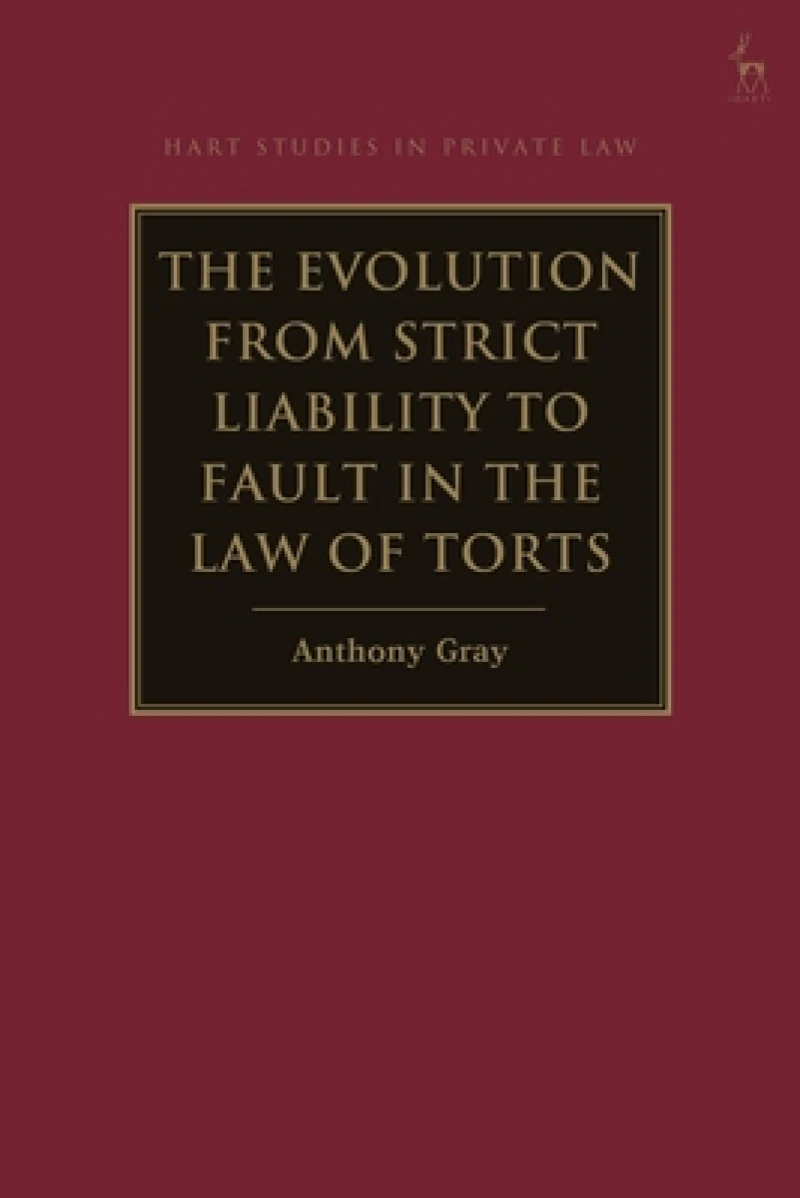
The Evolution from Strict Liability to Fault in the Law of Torts
Book Details
Format
Paperback / Softback
Book Series
Hart Studies in Private Law
ISBN-10
1509947124
ISBN-13
9781509947126
Publisher
Bloomsbury Publishing PLC
Imprint
Hart Publishing
Country of Manufacture
GB
Country of Publication
GB
Publication Date
Oct 20th, 2022
Print length
296 Pages
Weight
446 grams
Dimensions
15.50 x 23.40 x 2.00 cms
Ksh 8,850.00
Manufactured on Demand
0 in stock
Delivery Location
Delivery fee: Select location
Secure
Quality
Fast
Gradually, the law of tort has shifted away from a strict-liability approach to one where fault predominates. This book charts important case law documenting this shift. It seeks to understand how and why it occurred. Given that the Rylands v Fletcher decision is typically seen as a prime exemplar of strict liability, it focusses particularly on that case, as part of the historical development of tort law. It considers the intellectual arguments made in favour of strict liability, and for fault-based liability. Having done so, it then focusses on particular areas of the law of tort, including nuisance, defamation and trespass. It is somewhat anomalous that though most would view these as examples of torts of strict liability, fault considerations have become prominent in their application. This presents an uneasy compromise, where torts that are notionally strict in nature are infused with fault considerations, often through exceptions or defences. This book advocates for further development in the law of tort to better reflect a primarily fault-based approach to liability, at least in the common law. This would make the law of tort more coherent.
Get The Evolution from Strict Liability to Fault in the Law of Torts by at the best price and quality guaranteed only at Werezi Africa's largest book ecommerce store. The book was published by Bloomsbury Publishing PLC and it has pages.

