
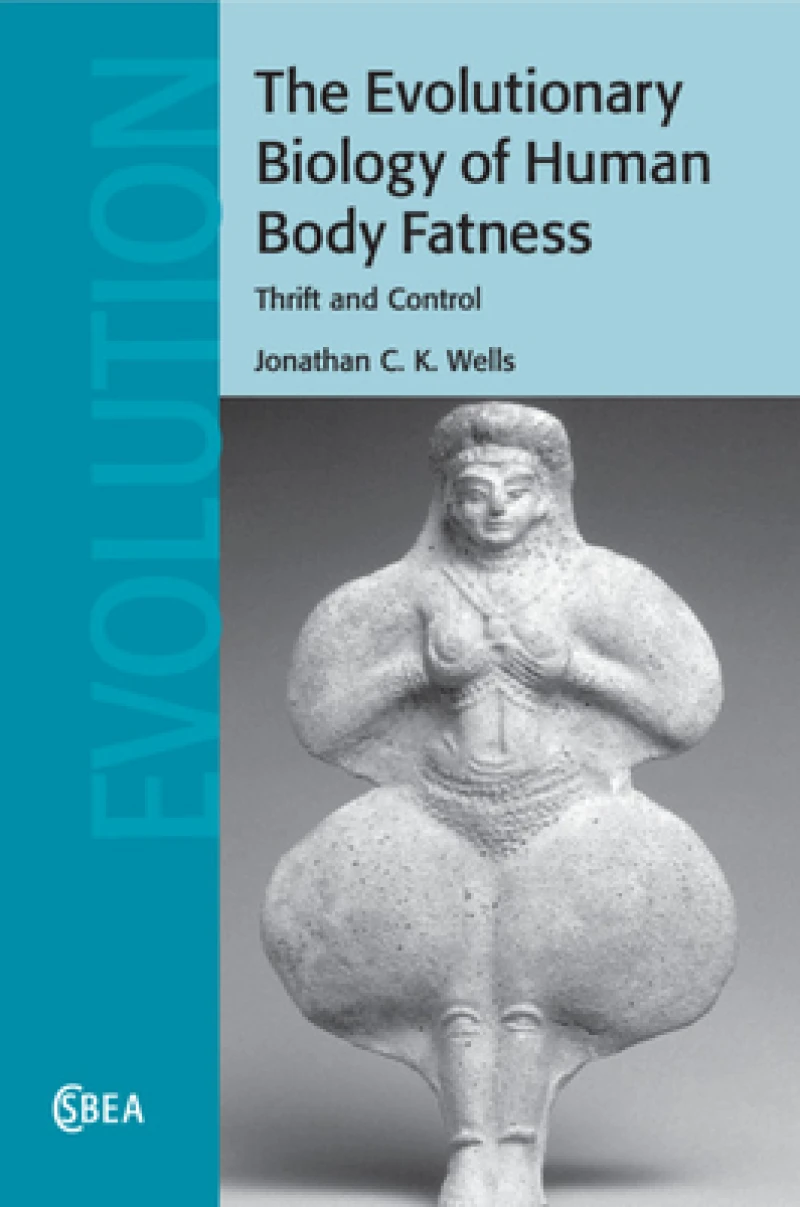
The Evolutionary Biology of Human Body Fatness : Thrift and Control
Book Details
Format
Paperback / Softback
ISBN-10
1108822592
ISBN-13
9781108822596
Publisher
Cambridge University Press
Imprint
Cambridge University Press
Country of Manufacture
GB
Country of Publication
GB
Publication Date
Jun 25th, 2020
Print length
394 Pages
Weight
574 grams
Dimensions
15.30 x 22.90 x 2.50 cms
Product Classification:
AnthropologyEvolutionHuman biology
Ksh 8,450.00
Manufactured on Demand
0 in stock
Delivery Location
Delivery fee: Select location
Secure
Quality
Fast
Timely analysis of medical and evolutionary data to address the role body fat has played in human biology, including in the current obesity epidemic. Obesity researchers from human biologists and anthropologists to health professionals will benefit from this comprehensive evolutionary approach to examining human body composition.
This comprehensive synthesis of current medical and evolutionary literature addresses key questions about the role body fat plays in human biology. It explores how body energy stores are regulated, how they develop over the life-course, what biological functions they serve, and how they may have evolved. There is now substantial evidence that human adiposity is not merely a buffer against the threat of starvation, but is also a resource for meeting the energy costs of growth, reproduction and immune function. As such it may be considered as important in our species evolution as other traits such as bipedalism, large brains, and long life spans and developmental periods. Indeed, adiposity is integrally linked with these other traits, and with our capacity to colonise and inhabit diverse ecosystems. It is because human metabolism is so sensitive to environmental cues that manipulative economic forces are now generating the current obesity epidemic.
Get The Evolutionary Biology of Human Body Fatness by at the best price and quality guaranteed only at Werezi Africa's largest book ecommerce store. The book was published by Cambridge University Press and it has pages.

