
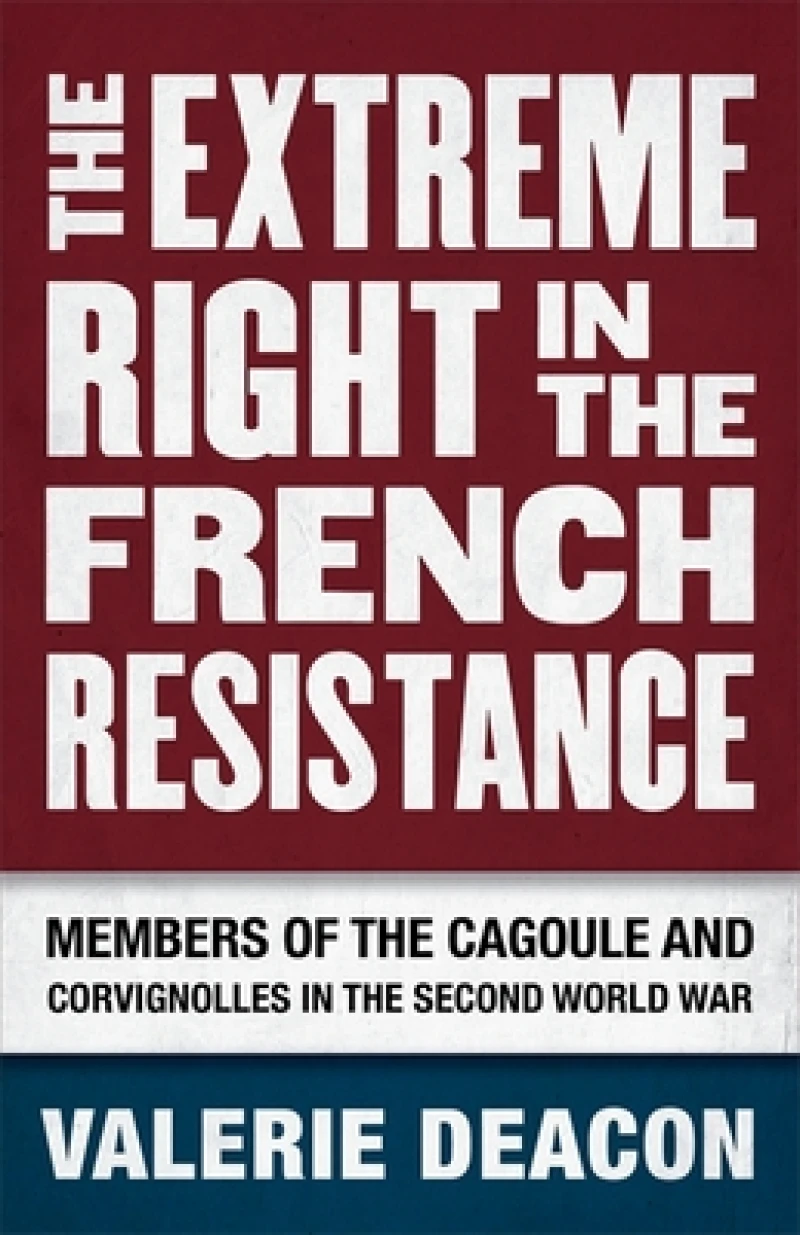
The Extreme Right in the French Resistance : Members of the Cagoule and Corvignolles in the Second World War
Book Details
Format
Hardback or Cased Book
ISBN-10
0807163627
ISBN-13
9780807163627
Publisher
Louisiana State University Press
Imprint
Louisiana State University Press
Country of Manufacture
US
Country of Publication
GB
Publication Date
Dec 7th, 2016
Print length
240 Pages
Weight
442 grams
Dimensions
14.70 x 22.40 x 2.40 cms
Product Classification:
European historySecond World WarEuropean historySecond World War
Ksh 6,600.00
Temporarily out of stock, due soon
0 in stock
Delivery Location
Delivery fee: Select location
Secure
Quality
Fast
In the aftermath of World War II, historical accounts and public commentaries enshrined the French Resistance as an apolitical, unified movement committed to upholding human rights, equality, and republican values. Valerie Deacon complicates that conventional view by uncovering extreme-right participants in the Resistance.
In the aftermath of World War II, historical accounts and public commentaries enshrined the French Resistance as an apolitical, unified movement committed to upholding human rights, equality, and republican values during the dark period of German occupation. Valerie Deacon complicates that conventional view by uncovering extreme-right participants in the Resistance, specifically those who engaged in conspiratorial, anti-republican, and quasi-fascist activities in the 1930s, but later devoted themselves to freeing the country from Nazi control.
The political campaigns of the 1930s- against communism, republicanism, freemasonry, and the government- taught France's ultra-right-wing groups to organize underground movements. When France fell to the Germans in 1940, many activists unabashedly cited previous participation in groups of the extreme right as their motive for joining the Resistance.
Deacon's analysis of extreme-right participation in the Resistance supports the view that the domestic situation in Nazi-controlled France was more complex than had previously been suggested. Extending beyond past narratives, Deacon details how rightist resisters navigated between different options in the changing political context. In the process, she refutes the established view of the Resistance as apolitical, united, and Gaullist.
The Extreme Right in the French Resistance highlights the complexities of the French Resistance, what it meant to be a resister, and how the experiences of the extreme right proved incompatible with the postwar resistance narrative.
The political campaigns of the 1930s- against communism, republicanism, freemasonry, and the government- taught France's ultra-right-wing groups to organize underground movements. When France fell to the Germans in 1940, many activists unabashedly cited previous participation in groups of the extreme right as their motive for joining the Resistance.
Deacon's analysis of extreme-right participation in the Resistance supports the view that the domestic situation in Nazi-controlled France was more complex than had previously been suggested. Extending beyond past narratives, Deacon details how rightist resisters navigated between different options in the changing political context. In the process, she refutes the established view of the Resistance as apolitical, united, and Gaullist.
The Extreme Right in the French Resistance highlights the complexities of the French Resistance, what it meant to be a resister, and how the experiences of the extreme right proved incompatible with the postwar resistance narrative.
Get The Extreme Right in the French Resistance by at the best price and quality guaranteed only at Werezi Africa's largest book ecommerce store. The book was published by Louisiana State University Press and it has pages.

