
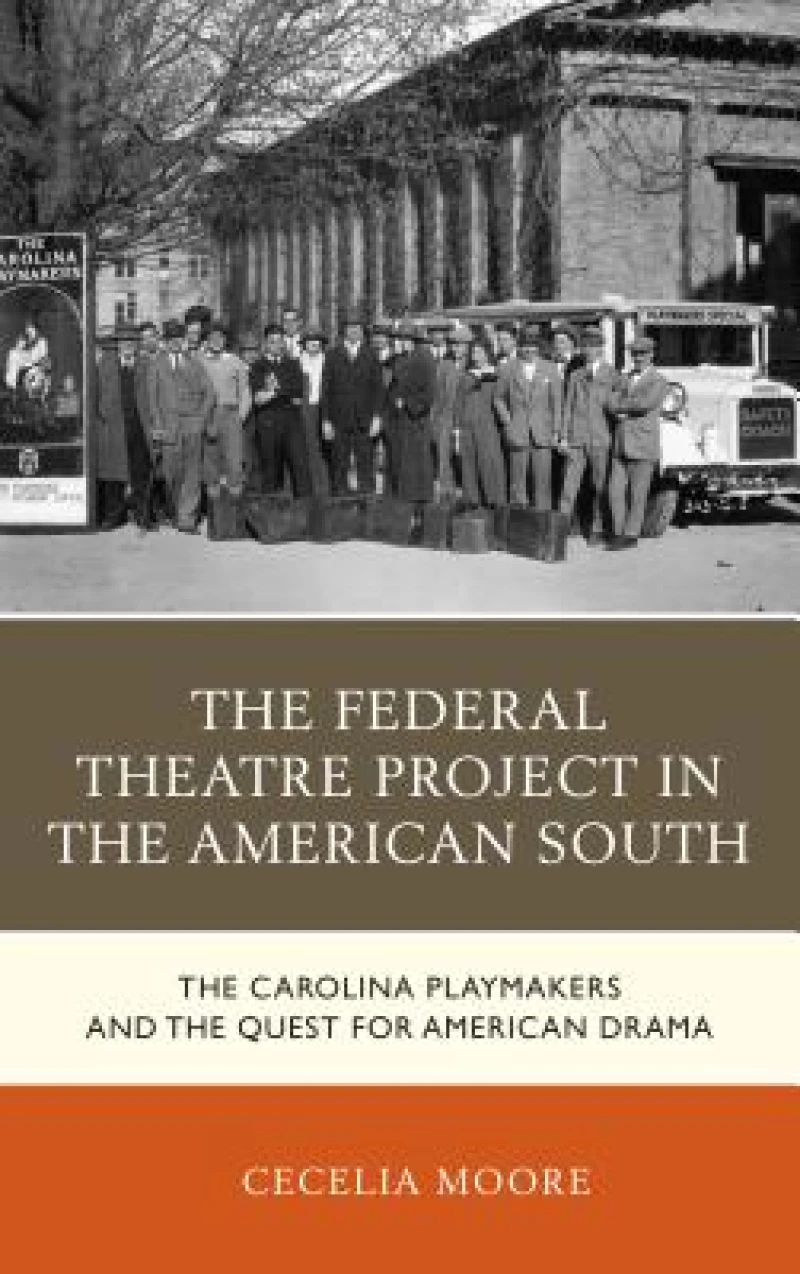
The Federal Theatre Project in the American South : The Carolina Playmakers and the Quest for American Drama
Book Details
Format
Paperback / Softback
Book Series
New Studies in Southern History
ISBN-10
1498526845
ISBN-13
9781498526845
Publisher
Bloomsbury Publishing Plc
Imprint
Lexington Books
Country of Manufacture
GB
Country of Publication
GB
Publication Date
Nov 14th, 2018
Print length
232 Pages
Weight
344 grams
Dimensions
15.40 x 22.80 x 1.10 cms
Product Classification:
History of the Americas20th century history: c 1900 to c 2000Local history
Ksh 7,950.00
Manufactured on Demand
0 in stock
Delivery Location
Delivery fee: Select location
Secure
Quality
Fast
This cultural history provides an examination of the Federal Theatre Project in the American South during the New Deal era. It analyzes the role of racial segregation and conservative politics, how the project drew from distinct regional heritages, and how it shaped successive generations’ debates over government, art, and cultural expression.
The Federal Theatre Project in the American South introduces the people and projects that shaped the regional identity of the Federal Theatre Project. When college theatre director Hallie Flanagan became head of this New Deal era jobs program in 1935, she envisioned a national theatre comprised of a network of theatres across the country. A regional approach was more than organizational; it was a conceptual model for a national art. Flanagan was part of the little theatre movement that had already developed a new American drama drawn from the distinctive heritage of each region and which they believed would, collectively, illustrate a national identity. The Federal Theatre plan relied on a successful regional model – the folk drama program at the University of North Carolina, led by Frederick Koch and Paul Green. Through a unique partnership of public university, private philanthropy and community participation, Koch had developed a successful playwriting program and extension service that built community theatres throughout the state. North Carolina, along with the rest of the Southern region, seemed an unpromising place for government theatre. Racial segregation and conservative politics limited the Federal Theatre’s ability to experiment with new ideas in the region. Yet in North Carolina, the Project thrived. Amateur drama units became vibrant community theatres where whites and African Americans worked together. Project personnel launched The Lost Colony, one of the first so-called outdoor historical dramas that would become its own movement. The Federal Theatre sent unemployed dramatists, including future novelist Betty Smith, to the university to work with Koch and Green. They joined other playwrights, including African American writer Zora Neale Hurston, who came to North Carolina because of their own interest in folk drama. Their experience, told in this book, is a backdrop for each successive generation’s debates over government, cultural expression, art and identity in the American nation.
Get The Federal Theatre Project in the American South by at the best price and quality guaranteed only at Werezi Africa's largest book ecommerce store. The book was published by Bloomsbury Publishing Plc and it has pages.

